



 Français
 Español
 Deutsch
The Short Answer: Yes, Quilts Can Be Right for Summer
On a humid July night, a 250 GSM flannel quilt can feel like a furnace. The same bed with a 150 GSM bamboo-filled quilt in a cotton shell can feel noticeably cooler within minutes. So the answer to whether quilts are good for summer is yes, but with one essential condition: the fabric and fill weight must be chosen for warm weather.
Quilts are among the best summer bedding options because they are flat and do not trap much air. Unlike duvets and comforters, which are built with high loft to hold warm air, a quilt rests close to your body. This allows heat to escape and moisture to evaporate instead of pooling against your skin. When the same quilt is made with dense fill or a synthetic shell that cannot breathe, it becomes just as hot as any other bedding.
The rest of this guide explains what actually makes a quilt cool, how summer quilts compare with duvets and comforters, and which fabrics and fill weights work best for hot sleepers, humid climates, and everyone in between.
Why Quilts Beat Duvets and Comforters in Warm Weather
A quilt is a flat textile made of a face fabric, a back fabric, and a thin layer of fill held together by stitching or ultrasonic bonding. This low-profile construction is the main reason quilts handle heat better than duvets and comforters.
Duvets and comforters are engineered to hold air. The high loft creates dead air spaces between fill fibers, which is what makes them warm in winter. In summer, the insulating layer works against you. A standard all-season comforter on a queen bed often weighs 5 to 7 pounds, while a summer quilt weighs closer to 2 pounds. Removing 3 to 5 pounds of fabric from your body surface can change how easily you stay asleep on a hot night.
Moisture management also differs. When you sweat, a breathable quilt absorbs the sweat and dries it on the fabric surface. A high-loft comforter traps moisture inside the fill and blocks evaporation, creating a damp and uncomfortable microclimate against your skin.
| Bedding Type | Typical Weight | Loft | Cooling Performance | Best Season |
|---|---|---|---|---|
| Summer quilt | 120-250 GSM | Low | Excellent | Summer |
| Duvet | 300-600 GSM | High | Poor | Winter |
| Comforter | 250-450 GSM | Medium to high | Moderate | Cold nights |
| Cotton blanket | 200-400 GSM | Low | Good | Spring and summer |
For context on how bedding needs shift across the year, this four seasons quilt selection guide compares fill weights and shell fabrics from winter to summer, and shows where a summer quilt fits into an all-season layering plan.
Best Fabrics for Summer Quilts
Fabric is the single most important factor in how a quilt feels at night. The best summer quilts use materials that move heat away from the skin, absorb moisture, and dry quickly. These four options cover the types most common in the market.
Cotton
Cotton quilts are breathable, soft, and easy to maintain. In summer, they work best with a percale weave and a fill between 150 and 250 GSM. Cotton also absorbs moisture from the air, which keeps the skin dry and cuts down on the sticky feeling that synthetic fabrics create. This is the most reliable choice for hot sleepers and is often used in hospitality settings.
Bamboo
Bamboo fiber has a flat cross-section with micro-gaps that give it exceptional wicking properties and a cool hand feel. It also has natural antibacterial properties, which help control odor on humid nights. Many sleepers notice that bamboo bedding feels a couple degrees cooler than cotton at the same weight.
Microfiber
Microfiber is lightweight, soft, and drapes well over the body. A well-constructed microfiber quilt with a low GSM and an open weave can work for warm nights, but microfiber does not absorb moisture as effectively as cotton or bamboo. If you tend to sweat heavily, confirm whether the fabric has a moisture-wicking finishing before choosing it for summer.
Polyester
Plain polyester tends to trap heat and moisture, so a basic polyester quilt is rarely a cooling option. Some engineered polyester products use cross-sectional cooling fibers or loose construction to improve airflow, which does help. Still, polyester is not a natural moisture manager. It is best selected for easy care, low cost, or quick drying rather than for coolness.
| Fabric | Cooling | Breathability | Moisture Wicking | Recommended GSM |
|---|---|---|---|---|
| Cotton | Excellent | Excellent | Excellent | 150-250 |
| Bamboo | Excellent | Excellent | Excellent | 130-200 |
| Microfiber | Good | Good | Moderate | 150-300 |
| Polyester | Variable | Variable | Low | 150-350 |
 Engineered Polyester Cooling Quilt for Summer ComfortThis polyester quilt uses specialized cooling fibers and a loose construction to improve airflow, offering a practical option for warm weather. It is ideal for those prioritizing easy care, affordability, and quick drying over natural moisture management.View Product →
 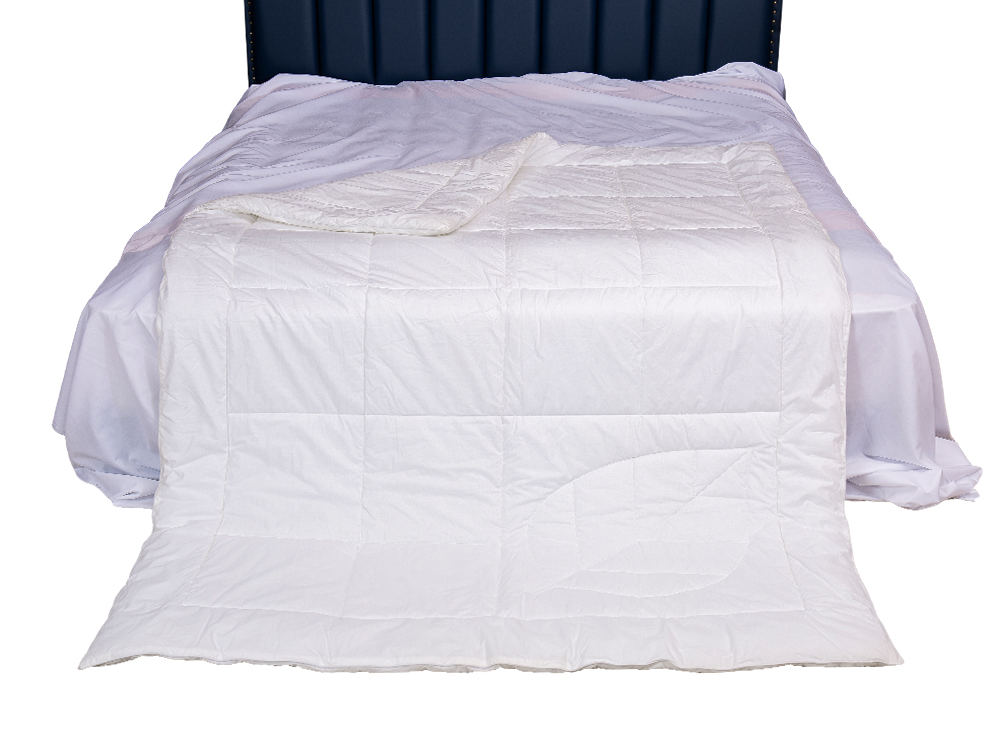 Breathable Bamboo Fiber Quilt for Warm SleepFilled with natural bamboo fiber, this quilt provides excellent breathability and moisture regulation, helping to keep sleepers cool and comfortable during hot summer nights while remaining soft and durable.View Product →
 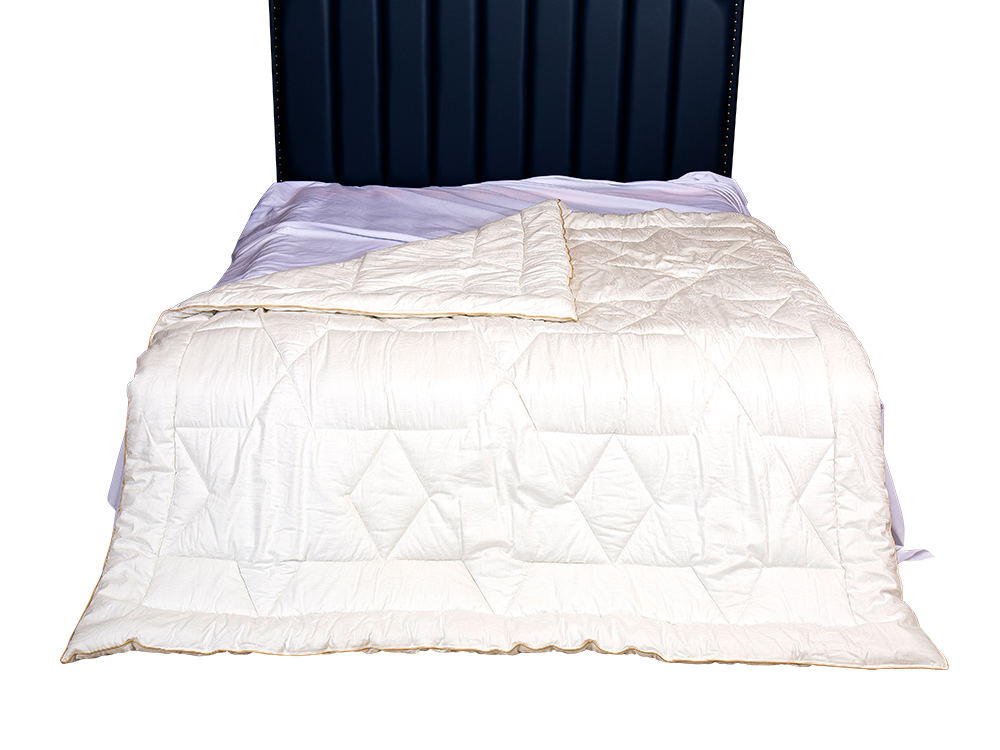 Pure Woven Cotton Quilt for Natural CoolnessCrafted from 99.99% skin-friendly cotton fabric with a variety of fill options, this woven quilt delivers comfort and breathability, making it a reliable choice for staying cool and relaxed in warm weather.View Product →
What Determines Cooling Performance Beyond Fabric
Fabric alone does not decide how cool a quilt feels. Four other factors matter when you are comparing quilts for warm weather.
Fill Weight
For summer, look for a quilt between 120 and 200 GSM. Anything above 250 GSM will feel too warm for most people. A 150 GSM quilt is a practical starting point for hot sleepers, while a 200 GSM quilt works in temperate climates with warm summer nights.
Fill Material
Hollow siliconized fibers are common in summer quilts because they create small air pockets without retaining moisture. When the shell fabric is breathable, the fill does not turn into a heat trap. Bamboo fiber fill adds a cooling layer by actively wicking sweat away from the body.
Quilting Pattern
A channel or box pattern keeps the fill evenly distributed. This matters because if fill migrates to one side, the quilt becomes cool on one end and hot on the other. Narrow stitching also keeps the quilt thin, which is what allows heat to pass through more easily.
Finishing Treatment
Some modern quilts use a peach wash or a cooling finish. Labels that mention moisture-wicking or quick-dry technology are especially useful in humid regions, where fabric that dries slowly can feel clammy by early morning.
How to Choose a Summer Quilt for Your Sleep Situation
Your environment and sleeping style should decide the quilt you pick. The four scenarios below cover the most common cases we see in the marketplace.
Hot Sleepers Who Wake Up Sweaty
Choose a bamboo quilt around 130 to 160 GSM. Bamboo has the strongest moisture-wicking action among the fabrics in this guide, and its cool touch helps during the first hour of sleep. Pair it with cotton percale sheets to maximize airflow.
Humid Coastal Climates
If humidity is the bigger problem than raw heat, a 150 GSM cotton quilt with an open weave works best. Cotton absorbs some ambient moisture while still letting sweat escape. In humid conditions, it feels far less damp on the skin than a synthetic quilt.
Couples with Different Sleeping Temperatures
A 180 to 200 GSM cotton quilt in a neutral weave is a balanced choice because it does not over-insulate. Alternatively, use two separate thin quilts so each person can add or remove a layer easily. A flat quilt is much simpler to swap than a bulky comforter.
Mild Nights between 20 and 25 Degrees Celsius
A 200 GSM cotton quilt provides enough warmth without creating the clammy feeling of a dense fill. If the temperature drops toward 18 degrees later in the night, adding a lightweight blanket over the quilt covers the transition without a full bedding change.
Keeping a Summer Quilt Fresh and Breathable
Summer quilts need regular care to keep performing. Wash them in cold water on a gentle cycle with a mild detergent. Avoid fabric softeners because they can coat the fibers and reduce breathability.
Air drying is preferred. Hang the quilt in a well-ventilated spot away from direct sunlight to prevent shrinkage and color fading. If you use a dryer, select the lowest heat setting and take the quilt out while it is still slightly damp.
During the hottest months, wash the quilt every two to four weeks if you sleep directly under it. If you use a duvet cover or a top sheet, washing once a month is enough. When the season ends, store the quilt in a woven cotton bag instead of plastic so the fabric can continue to breathe.
Sourcing Summer Quilts for Retail and Hospitality
If you are sourcing summer quilts for a retail line or a hospitality program, the sleep experience is only half of the assessment. Production consistency and certification matter just as much for the final product.
Ask suppliers to specify fill weight tolerance, finished dimensions after stitching, and seam strength at the quilting lines. In a category where a few grams of fill can shift the warmth of the quilt from cool to warm, clear tolerance standards prevent batch-to-batch inconsistencies that eventually become customer complaints.
Certifications also drive the decision. OEKO-TEX standards, BSCI compliance, and GRS-certified recycled materials help you market the product with confidence. The cooling quilt market trends documented this season show that buyers are responding to products with clear sustainability claims and documented comfort performance.
Before committing to production, request samples in both bamboo and cotton. Have your team weigh them, test the hand feel, and use them in real room conditions. A two-minute touch test in a showroom is not enough. An overnight field test reveals whether the quilt actually holds up through eight hours of sleep.
Conclusion
Are quilts good for summer? Yes, when you choose the right fabric and fill weight. Cotton and bamboo are the safest choices. Keep the GSM below 200. Pay attention to the quilting structure and the washing routine, and match the quilt to the climate and sleep needs of the person using it.
A quilt that stays comfortable in July as well as October is not a fantasy. It is a matter of applying the right specifications. Use the three checkpoints from this guide, GSM, fabric, and care routine, and you will find a summer quilt that earns its place on the bed all season long.


 +86-573-88798028