



 Français
 Español
 Deutsch
Content
- 1 What It Really Means to Be Allergic to Feather Pillows
- 2 Signs You May Be Reacting to Your Feather Pillow
- 3 Why Feather Pillows Trigger Reactions
- 4 How a Feather Allergy Is Diagnosed
- 5 Reducing Exposure Before You Replace Anything
- 6 Natural-Fill Alternatives: Cotton and Bamboo
- 7 Synthetic Fills: Polyester and Microfiber
- 8 Memory Foam and Support-Focused Designs
- 9 What We Look For in an Allergy-Conscious Pillow
- 10 Frequently Asked Questions
Waking up with a blocked nose, itchy eyes, or a cough that quietly disappears once you leave the bedroom is a pattern far too many sleepers accept as normal. Feather and down pillows are light, breathable, and wonderfully supportive, but for some people they are also the trigger behind a very real set of symptoms. As a bedding manufacturer that has spent more than two decades producing pillows, quilts, and mattress protectors, we have seen "feather allergy" turn out to be several different problems, each with a different fix.
This guide explains what a genuine feather pillow allergy involves, how it differs from a dust mite reaction, how a doctor confirms it, and which pillow constructions tend to work best once feathers are off the table.
What It Really Means to Be Allergic to Feather Pillows
A true feather allergy is an immune response to proteins found in feather and down material, including proteins in the feather shaft and barbs and allergens carried in the fine dust that clings to them. Reactions usually begin within minutes to a few hours of contact, which is why symptoms tend to be worst in the morning, after a full night with your face pressed against the pillow.
Not every reaction is a feather allergy, though, and two other explanations are at least as common. The first is dust mite allergy. Dust mites thrive in the warm, humid microclimate inside any pillow, and feather fill is no exception; published research comparing feather and synthetic pillows found that unprocessed feathers carry dust mite allergen that washing largely removes. The second is hypersensitivity pneumonitis, sometimes called feather duvet lung, an inflammatory lung response to inhaled feather antigens that appears in clinical case reports and deserves prompt medical attention.
The distinction matters, because the solution is different. A sleeper whose trigger is dust mites may do well with a thoroughly washed, properly encased pillow. A sleeper with a genuine feather protein allergy will keep reacting no matter how clean that pillow is.
| Feature | Feather protein allergy | Dust mite allergy |
|---|---|---|
| Primary trigger | Proteins in feather and down material | Proteins in dust mite droppings |
| Where the allergen sits | Pillow and duvet fill, feather dust in the ticking | Mattress, pillow, bedding, carpets, soft furnishings |
| Typical timing | Minutes to a few hours after contact | Often gradual; worst overnight and on waking |
| Common symptoms | Sneezing, runny or blocked nose, itchy watery eyes, cough, wheeze, itchy skin or hives | Blocked nose, sneezing, itchy eyes, morning congestion, eczema flare-ups |
| Severe form to watch for | Hypersensitivity pneumonitis (feather duvet lung) | Asthma and rhinitis flare-ups |
| Main management | Remove feather and down from the bedroom, treat symptoms, get tested | Allergen-impermeable covers, hot washing, humidity control, mite reduction |
Signs You May Be Reacting to Your Feather Pillow
Feather pillow reactions tend to follow a predictable rhythm: symptoms build through the night and greet you in the morning. The most common signs fall into three groups.
Respiratory symptoms
Airway and nasal irritation is the classic picture. Watch for:
- Sneezing shortly after getting into bed or on waking
- A runny or blocked nose that clears once you are up and moving
- Itchy, watery, or red eyes
- A dry cough, tickly throat, or frequent throat clearing
- Wheezing or shortness of breath, particularly in people who already have asthma
Skin reactions
Feather fill and feather dust can also irritate the skin directly. Itching, redness, hives, or a rash may appear on the face, neck, and shoulders, and people with eczema often notice flare-ups along the jawline and cheeks after sleeping on a feather pillow.
Sleep and daytime effects
Because congestion peaks overnight, the damage is not limited to the nose. Fragmented sleep, mouth breathing, morning headaches, and a lingering sense of fatigue are common. Many sleepers only connect the dots when they travel, sleep on a different pillow, and suddenly breathe more easily.
Why Feather Pillows Trigger Reactions
The feather protein itself
Feather and down fill contains allergenic proteins, and the smaller dust particles that work free of the fill can be inhaled deep into the airways. Older pillows and comforters that shed fibers are usually the worst offenders.
Dust mites living in the fill
Any pillow that stays warm and slightly damp becomes a dust mite habitat, and feather pillows hold moisture well. The allergen is not the mite itself but the proteins in its droppings, which accumulate in the fill and ticking over months of use.
Moisture, mold, and dust build-up
Pillows absorb sweat and body oils night after night. Without regular washing and thorough drying, that moisture encourages mold and mildew, adding another set of irritants on top of the feather proteins and mite allergens already present.
This is also why washing matters so much. Studies of feather bedding show that cleaning removes a large share of dust mite allergen from feather fill, which is one reason a well-maintained feather pillow bothers some sleepers far less than an old, unwashed one.
How a Feather Allergy Is Diagnosed
Diagnosis is usually straightforward, but it needs a doctor rather than guesswork. A typical pathway looks like this:
- Medical history and symptom diary: when symptoms start, how quickly they fade when you sleep elsewhere, and whether pets, pollen, or mold could also be involved.
- Skin prick testing: a small amount of feather allergen is placed on the skin to see whether a reaction develops within about fifteen minutes.
- Specific IgE blood testing: a blood sample measures antibodies directed at feather and dust mite allergens, which is useful when skin testing is not suitable.
- Supervised challenge or lung assessment: if breathlessness, fever, or flu-like aching follow exposure, a doctor may investigate hypersensitivity pneumonitis.
If you experience chest tightness, fever, or worsening breathlessness after being around feather bedding, seek medical advice promptly instead of trying to manage it at home.
Reducing Exposure Before You Replace Anything
If you are not ready to swap every pillow in the house, these steps reduce exposure quickly:
- Use an allergen-impermeable encasing on the pillow and the mattress.
- Wash pillowcases weekly and pillows as the care label allows, ideally at 60°C or above.
- Dry pillows completely, since damp fill is an invitation to dust mites and mold.
- Replace pillows every one to two years, or sooner if the fill is clumping or stained.
- Vacuum with a HEPA filter and avoid shaking feather bedding, which sends dust into the air.
- Keep bedroom humidity below roughly 50% where possible.
Natural-Fill Alternatives: Cotton and Bamboo
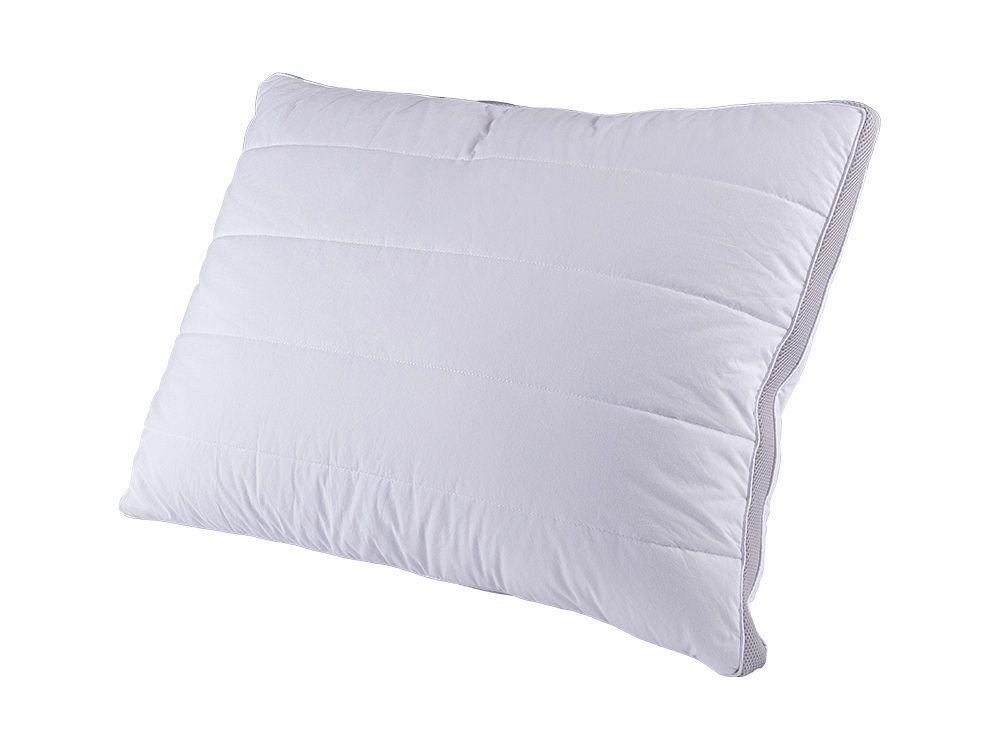
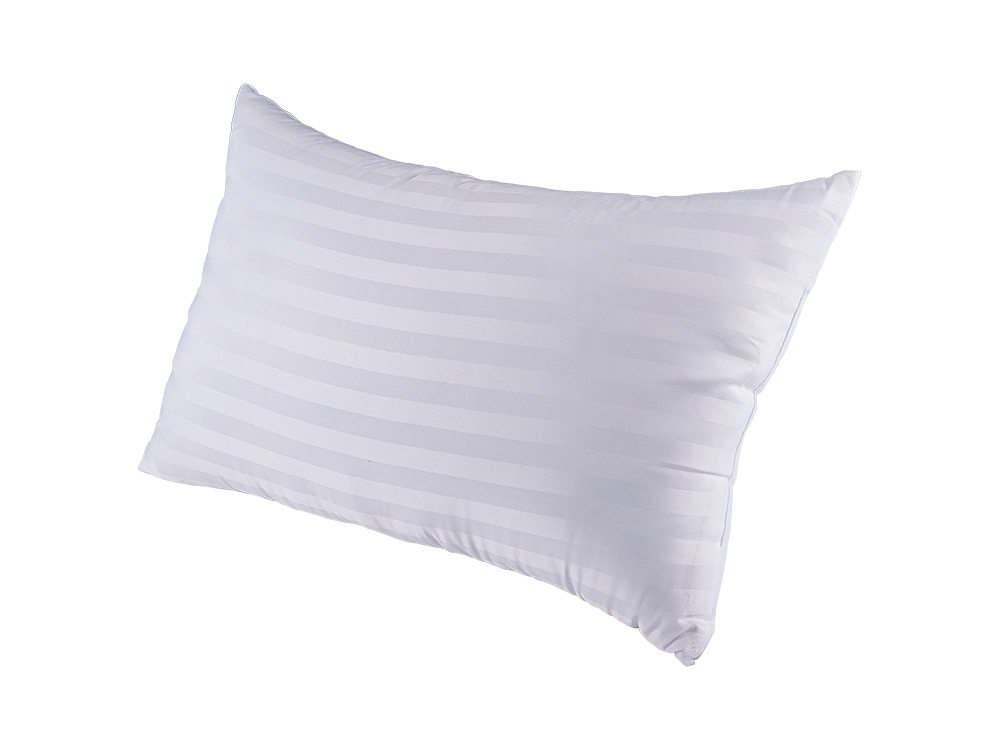
Cotton is the alternative we recommend most often to sleepers who react to feathers but still want a natural feel. Cotton fill is breathable, holds its loft reasonably well, absorbs moisture instead of trapping it, and contains no feather protein. It is also easy to wash, which matters more than most people realize: a pillow you can clean thoroughly stays free of the dust and mite allergen behind so many "feather" symptoms in the first place. Sleepers with sensitive skin also tend to prefer tightly woven cotton ticking, because it keeps fill dust inside the pillow. For anyone building a sensitive-skin bedding set, our notes on cotton bedding for allergy-prone sleepers go deeper into ticking and weave choices.
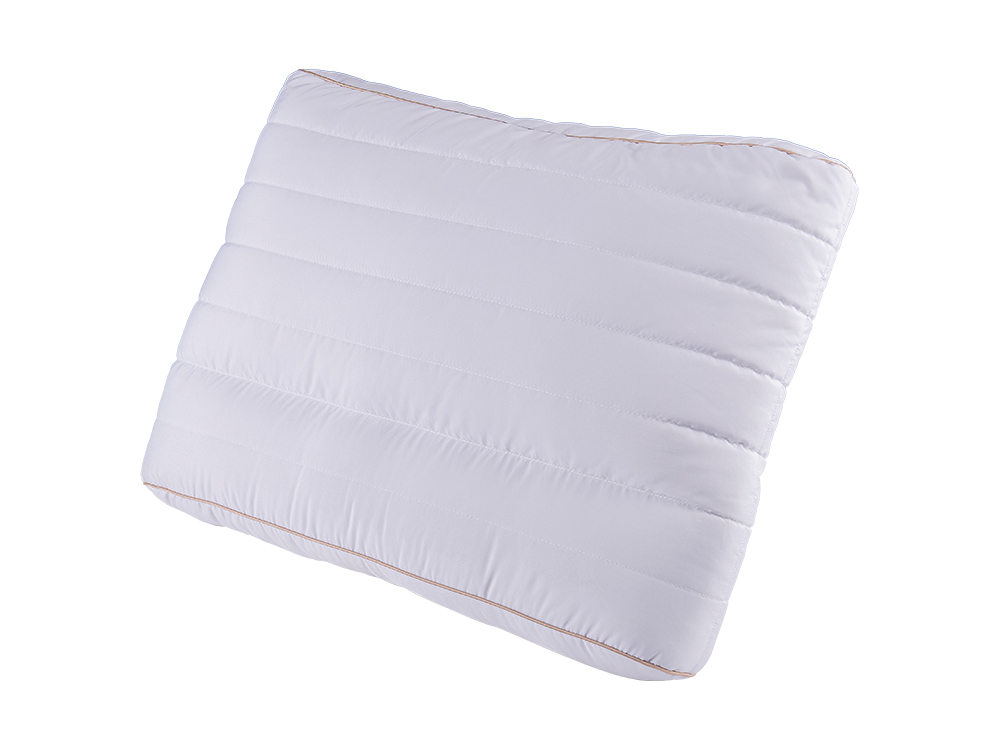
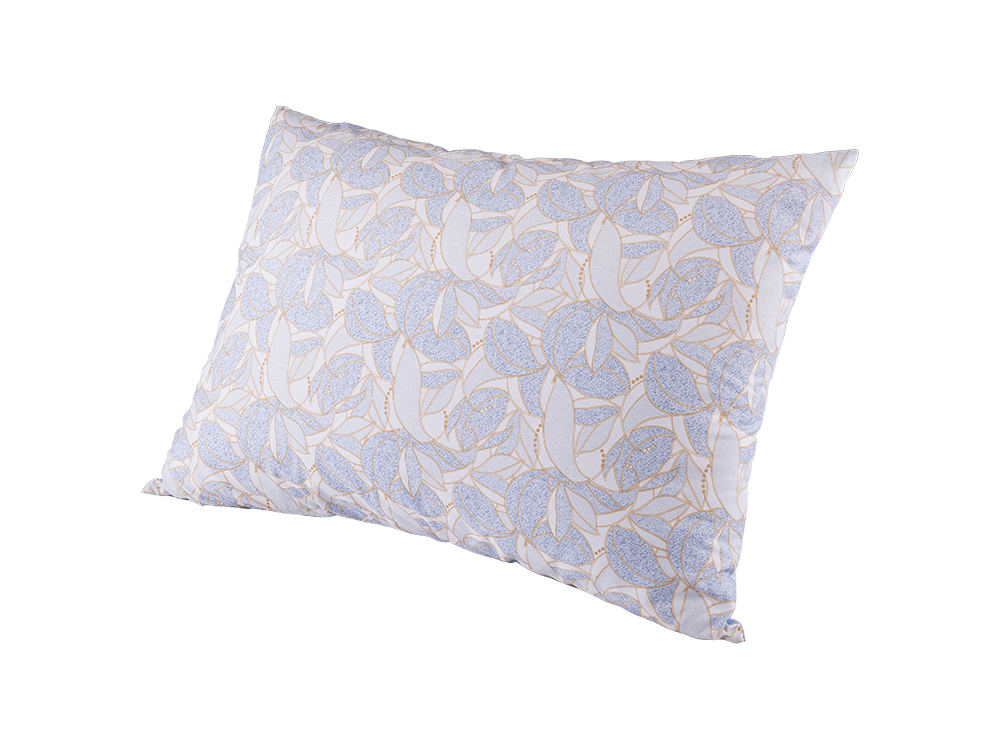
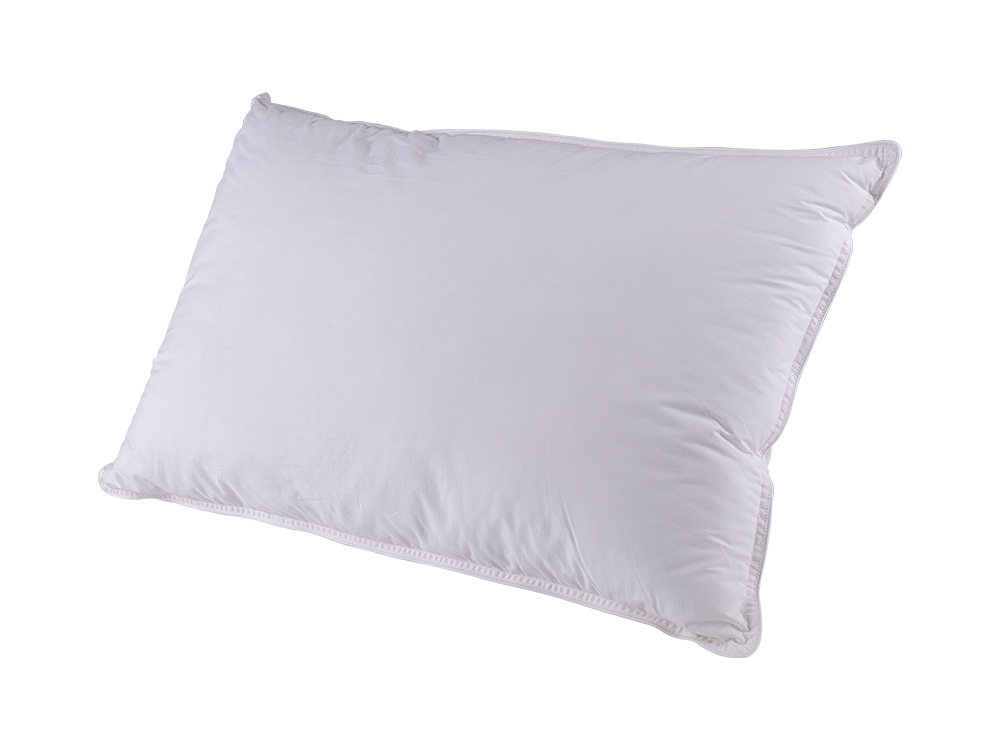 Cotton Skin-friendly Pillows Manufacturers99.99% Cotton Skin-Friendly Fabric, 150T, 200T, 233T, or high-end custom woven fabricsView Product →
Bamboo-derived fills and covers tell a similar story: soft, moisture-wicking, and free of animal proteins, though quality varies a great deal between suppliers.
Synthetic Fills: Polyester and Microfiber
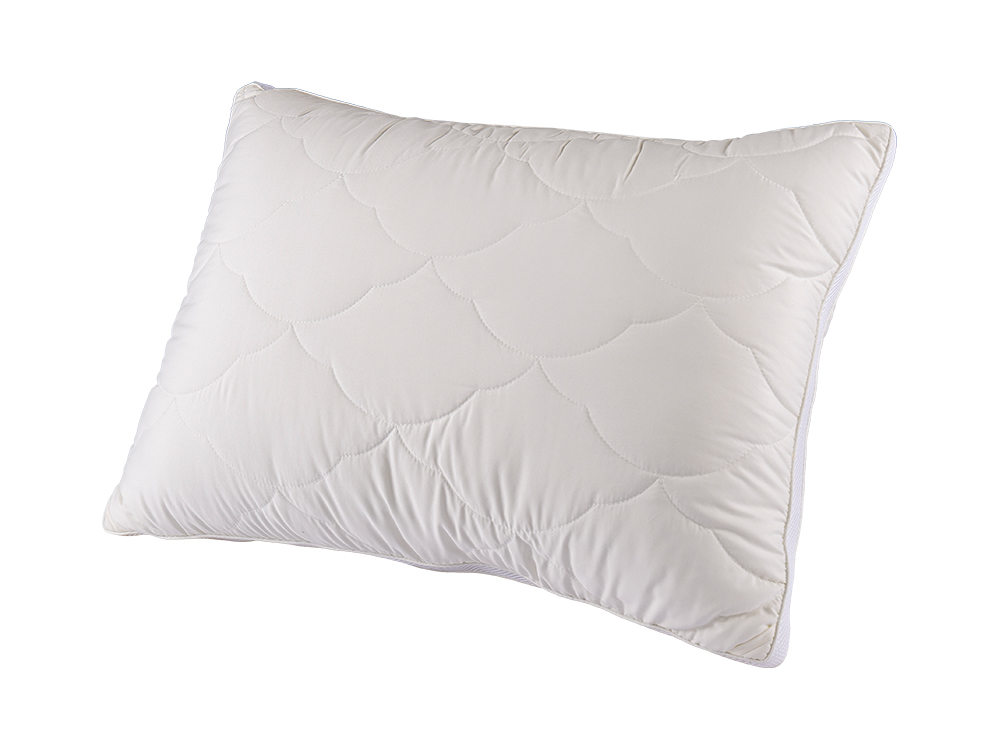
Polyester and microfiber fills are often marketed as hypoallergenic, and they do offer real advantages: no feather protein, moderate cost, and easy laundering. They are not automatically problem-free, though. Dust mites colonize synthetic fill just as happily as feather fill, and cheaper pillows can shed fiber dust into the air. The practical test is construction rather than marketing language. Look for a tightly woven, down-proof ticking, a fill that does not migrate to one end, and a care label that permits hot washing.
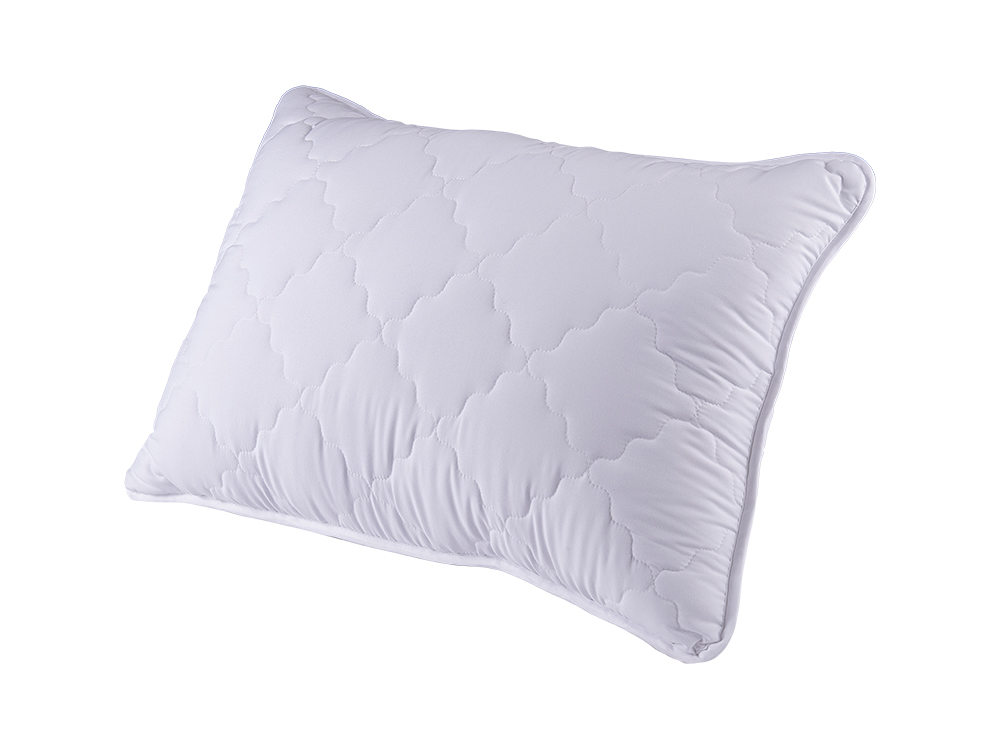
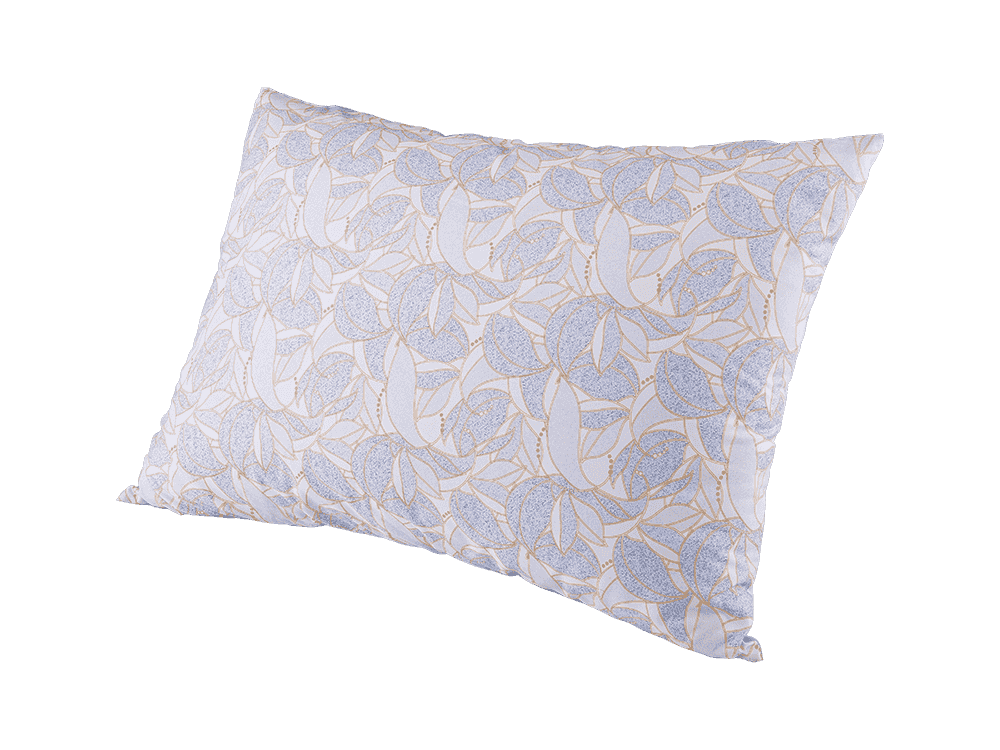 Polyester Fiber Pillows ManufacturersMicrofiber Brushed Fabric, available in 80-100gsmView Product →
For buyers specifying large volumes, fill weight and fiber denier matter as much as the description on the packaging, because they determine how long the pillow keeps its shape between washes.
Memory Foam and Support-Focused Designs
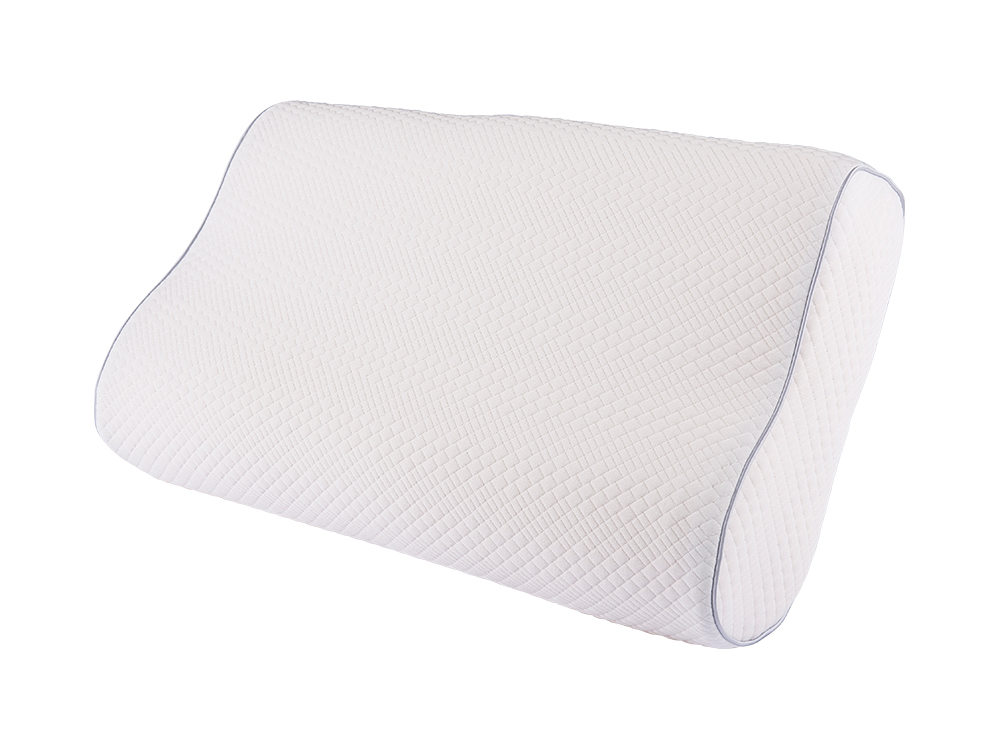
Memory foam behaves differently from any loose fill. Its dense, closed structure holds no feather protein and is harder for dust mites to penetrate deeply, and it keeps its shape for years, which suits sleepers who need consistent neck support. The trade-offs are weight, heat retention, and the fact that foam cannot be washed; it can only be spot cleaned and aired. If you sleep hot or are sensitive to chemical odors, give a new foam pillow a few days in a well-ventilated room before use.
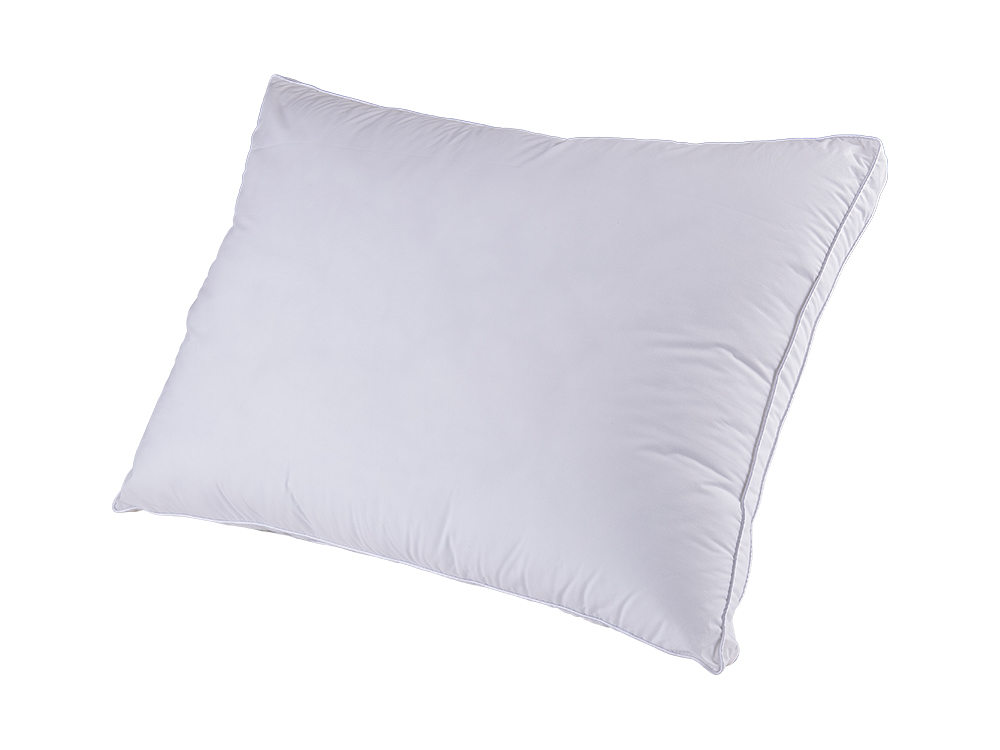
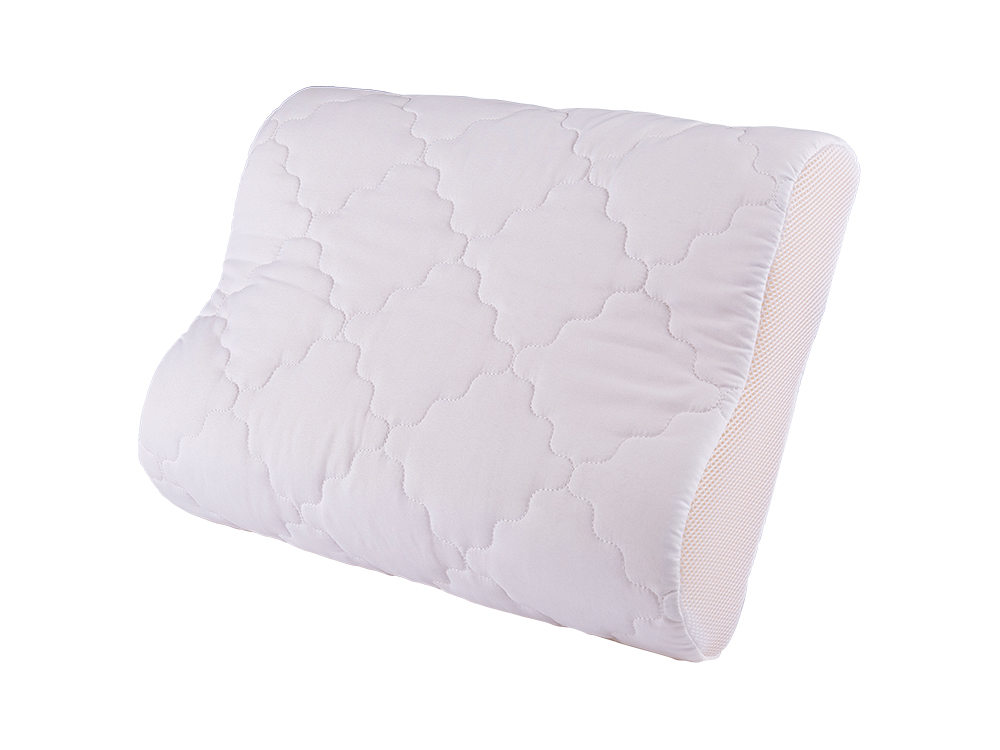 Memory Foam Pillow ManufacturersVarious Types of Synthetic Fiber 3D Knitted FabricView Product →
Support-focused designs such as contoured and neck pillows follow the same logic, keeping the airway open while removing animal fill from the equation entirely.
What We Look For in an Allergy-Conscious Pillow
After more than two decades of making bedding, we have learned that allergy-friendly pillows are built rather than simply labelled. You can read more about how our factory works, but the details that matter most are the ones you can verify on a specification sheet:
- Certified materials, such as OEKO-TEX Standard 100 or equivalent testing for harmful substances.
- Tight, down-proof ticking that keeps fill dust inside the pillow.
- Washability: fill and cover that tolerate the temperatures needed to reduce allergens.
- Consistent loft and fill weight, so the pillow supports the neck without collapsing.
- Traceable, responsibly sourced fibers, supported by certifications such as GRS and social audits such as BSCI.
- Honest documentation covering material composition, care instructions, and compliance records for every batch.
Frequently Asked Questions
Can you suddenly become allergic to feather pillows?
Yes. Allergies can appear at any age, and a pillow you have used for years can start causing symptoms if your sensitivity develops or if the fill has accumulated dust, mites, and moisture over time.
Are down pillows worse than feather pillows?
Down tends to be finer and lighter, so it releases more airborne dust, which some sleepers react to more strongly. Both contain the same class of proteins, so neither is a safe swap for someone with a confirmed feather allergy.
Can a pillow cover solve the problem?
An allergen-impermeable encasing can reduce exposure substantially and is a sensible first step for dust mite sensitivity. It will not help much if the reaction is to feather protein itself, because the fill is still in the room and still shedding.
Are synthetic pillows always hypoallergenic?
No. They contain no feather protein, but they still collect dust mites, dust, and moisture. Washability and a tight weave matter far more than the word printed on the label.
Do feather pillows trigger asthma attacks?
They can aggravate asthma in sensitized people. If your breathing worsens at night or you wake wheezing, treat it as a medical issue and speak to a clinician.
Being allergic to feather pillows is not a life sentence for comfortable sleep. It usually means adjusting two things: removing the allergen from your sleep environment, and choosing a pillow whose fill, ticking, and care instructions genuinely match your sensitivity.
Start with the simplest tests, such as sleeping on a different pillow for a week, washing everything thoroughly, and adding an encasing, then let your symptoms tell you what is really going on. If you are sourcing bedding for a brand, hotel group, or retail program and need pillows built around allergy-conscious specifications, our team is always glad to talk through fills, tickings, and certifications.


 +86-573-88798028