



 Français
 Español
 Deutsch
Content
Short answer first: a polyester pillow made under recognized chemical-safety standards is not toxic. The filling is polyethylene terephthalate (PET) fiber, the same polymer family as beverage bottles, and once polymerized into fiber it is chemically stable at room and body temperature. The alarming posts usually point at something else: residues from dyeing, finishing, and packaging that can remain on any textile when chemical management is poor.
We run a bedding factory in Tongxiang, China, and this question reaches us every month from two directions: brand owners deciding what goes into next season's catalog, and shoppers who have just read that their pillows belong in the bin. Both deserve a straight answer, so this article separates documented risk from internet myth and shows you how to verify safety with paperwork instead of guesswork.
What Polyester Pillow Filling Actually Is
Polyester fill starts as PET chips that are melted and extruded into fine fibers. For pillows, manufacturers mostly use hollow, conjugated, siliconized fiber: the hollow core traps air for loft, the coiled conjugated structure helps the fill spring back after compression, and siliconization makes it feel soft instead of scratchy.
Polymerization is the key to the toxicity question. The substances used to make PET are reactive industrial chemicals, but once they are bonded into long polymer chains the result is an inert solid. Saying that a production chain involves hazardous inputs is not the same as saying the finished fiber is hazardous, and that is the gap most viral posts skip over.
The fill dominates the global pillow market for practical reasons: low cost, machine washability, quick drying, consistent loft, and no animal protein, which spares sleepers with feather allergies the protein reactions that down and feathers can trigger.
Where the "Toxic Pillow" Claims Come From
Residues from processing, not the polymer
Three residue topics dominate the discussion:
- Antimony catalyst residues. PET polymerization commonly uses an antimony-based catalyst. Trace amounts stay bound inside the polymer and migration into sweat is very low, but antimony remains a standard parameter in certification testing, which is exactly how it should be handled.
- Formaldehyde. This is linked to certain wrinkle-resistant and anti-shrink finishes on fabric, which makes it more a casing issue than a fill issue. Strict limits apply to textiles that touch skin.
- Banned azo dyes. Dyes that can release harmful amines are restricted in major markets, again a finishing concern rather than a polyester one.
None of these are unique to polyester. A cotton pillow finished carelessly can carry identical problems, so the variable that decides safety is the factory's chemical control, not whether the fiber is synthetic.
Off-gassing and the new-pillow smell
The fiber itself releases very little in the way of volatile organic compounds. Most of the smell in a freshly opened pillow comes from packaging films, finishing agents, and the weeks spent sealed in compressed cartons during ocean freight. Airing the pillow in a ventilated room for 48 to 72 hours normally clears it. Odor that persists for weeks is a warning sign about that specific product, not evidence that all polyester pillows are unsafe.
Certifications That Turn Claims Into Evidence
Because residues are invisible, documentation is the only dependable filter. Know what each mark actually covers:
- OEKO-TEX Standard 100: independent laboratory testing for a long list of regulated substances, including formaldehyde, heavy metals such as antimony, phthalates, and banned azo dyes. Certificates are issued by product class, with Class I for baby articles carrying the strictest limits, so always ask which class a certificate covers.
- REACH and GB 18401: regulatory backstops in the EU and China that restrict specific substances regardless of any voluntary label.
- GRS: verifies recycled content. That is a sustainability claim, not a chemical-safety guarantee on its own.
- ISO 9001: covers quality and process management. Valuable, but it is not a chemical-safety certificate, a distinction many buyers miss.
One practical habit: OEKO-TEX certificates carry a number you can check in the public database, together with an expiry date and the exact certified articles. If a supplier's PDF cannot be matched to the product you are actually buying, treat the safety claim as unverified.
How a Pillow Factory Actually Controls Chemical Safety
Inside a serious factory, this work is supply-chain management that starts long before sewing:
- A restricted substance list is written into purchase contracts with fiber, fabric, and chemical suppliers.
- Suppliers provide declarations and third-party test reports for each input lot.
- Incoming materials are verified, with samples sent to independent laboratories for testing against the restricted list.
- Certified inputs are prioritized for anything that will touch skin.
- Finished goods are documented so that any shipment traces back to its inputs.
The casing deserves special attention. The shell touches your face all night, so its fabric and finishing choices affect skin exposure more than the fill inside does. A tightly woven, certified cover over polyester fill resolves most of the concerns people raise about skin contact.
Our own system applies OEKO-TEX, GRS, ISO 9001, and ISO 14001 across 22 years of home-textile production, and it is described in more detail on our about page.
If you want to see how this translates into a finished product, our polyester pillow line is built around certified hollow fiber and washable construction.
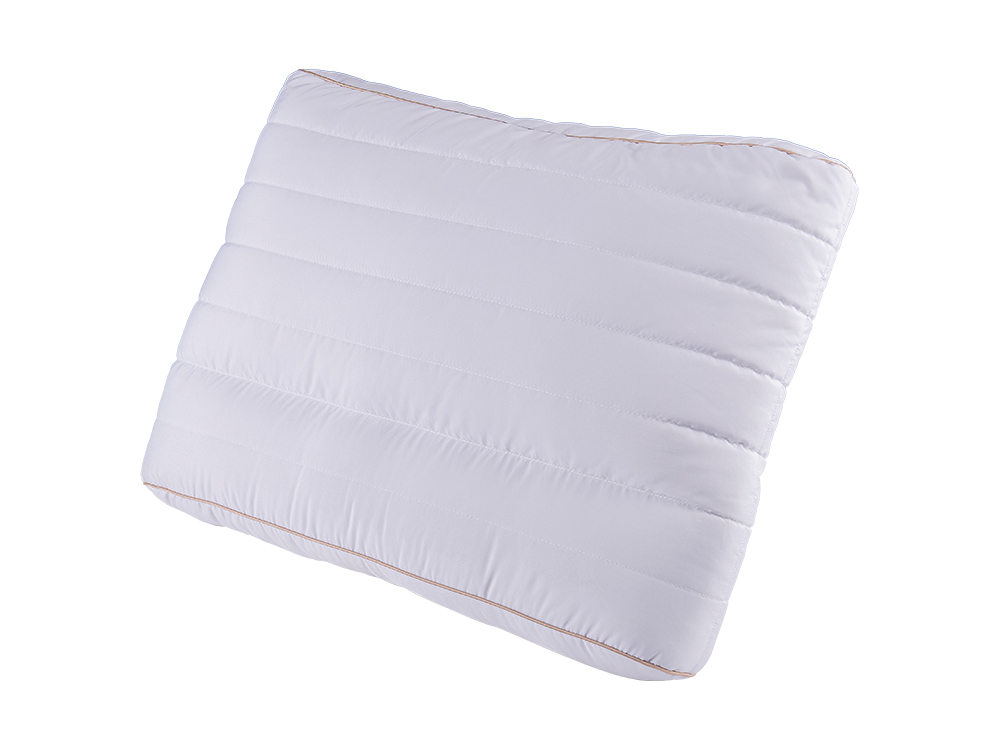
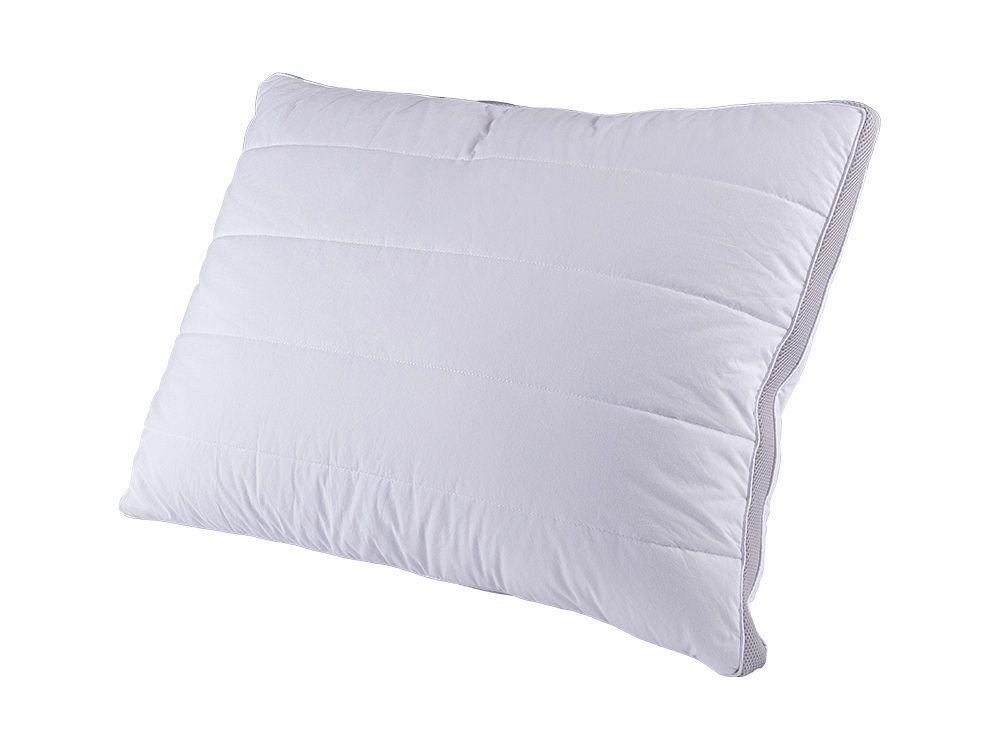
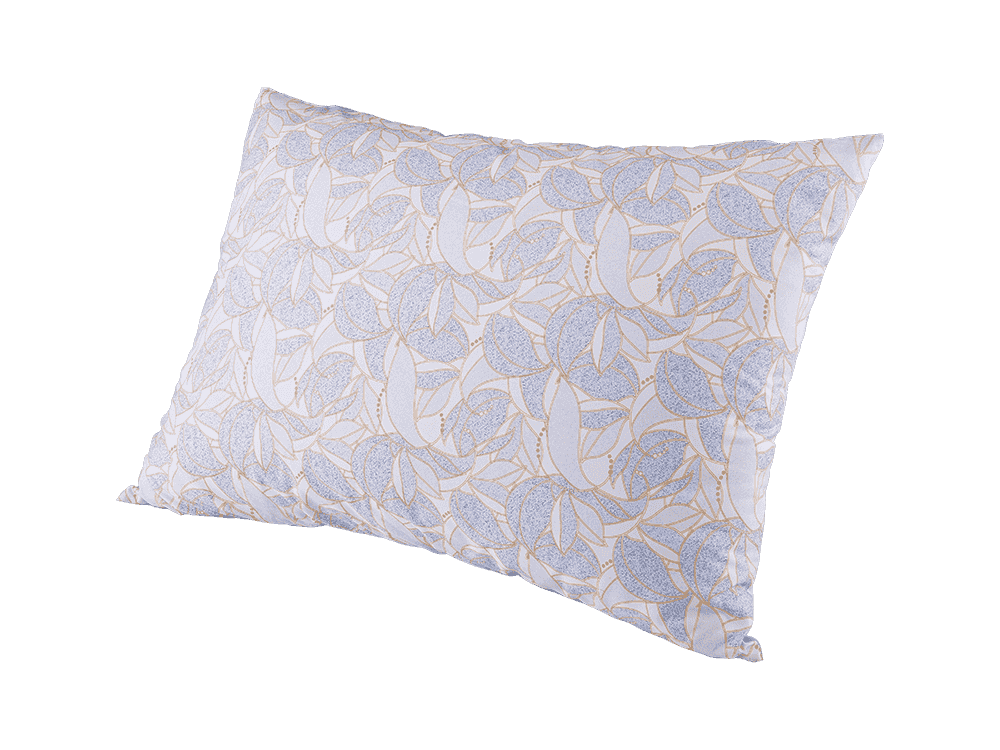 Polyester Fiber Pillow with Washable Hollow Fiber FillA polyester pillow made with certified hollow fiber and washable construction, sized 50x70cm with customizable options. It appears here as the first common fill to compare on safety and everyday comfort.View Product →
Polyester, Cotton, and Memory Foam Compared on Safety
If you are weighing fills for a product line or for your own bed, it helps to see how the three most common options handle the safety question side by side. For the comfort side, including loft, support, and temperature, see our separate breakdown of how polyester fiber pillows affect sleep quality.
| Fill | Main safety consideration | Breathability | Support profile | Care |
|---|---|---|---|---|
| Polyester fiber | Polymer is stable; residues controlled through certification | Good with hollow-fiber fill | Soft, resilient medium loft | Machine washable, quick drying |
| Cotton | Pesticide and finishing residues, addressed by certification | Very good | Firmer, flattens with use | Washable, slower drying |
| Memory foam | Off-gassing from polyurethane chemistry, strongest when new | Low, sleeps warm | Contouring, firm support | Spot clean only |
On pure chemistry, a certified polyester fill and a certified cotton fill both clear the bar. Cotton's advantages are breathability and a natural-fiber story; polyester counters with washability, price stability, and consistent loft. Memory foam is the fill with a genuinely stronger off-gassing profile, because polyurethane releases more volatile compounds in its early weeks, although a certified foam still meets the applicable limits.
We produce all three fills and none of them need fear-based marketing, so compare the alternatives directly:
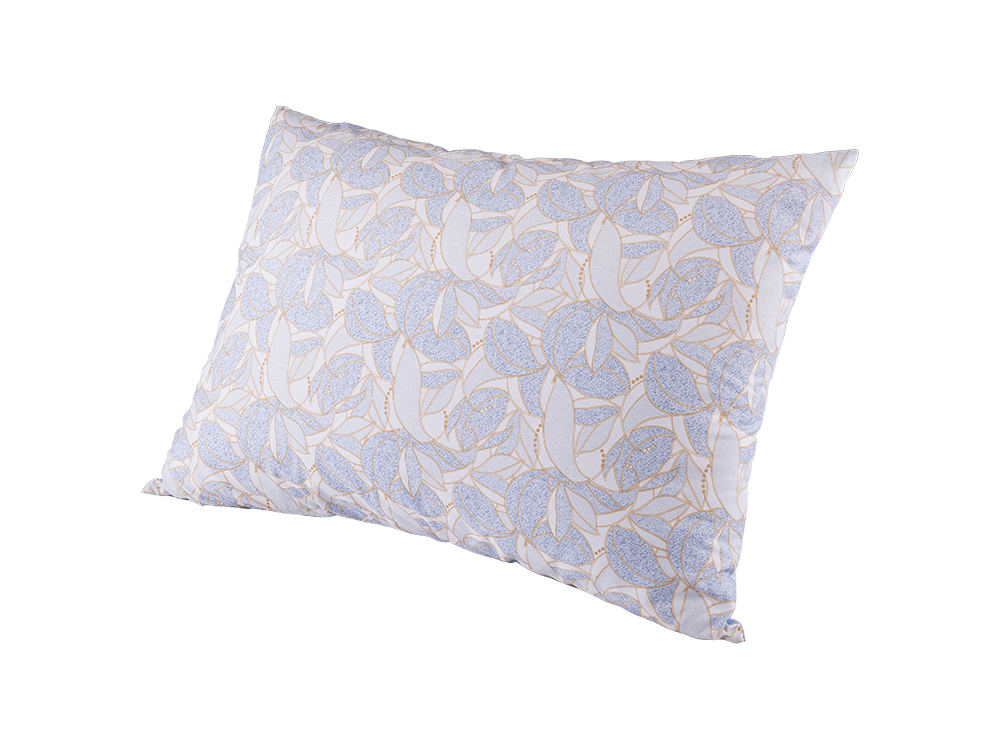
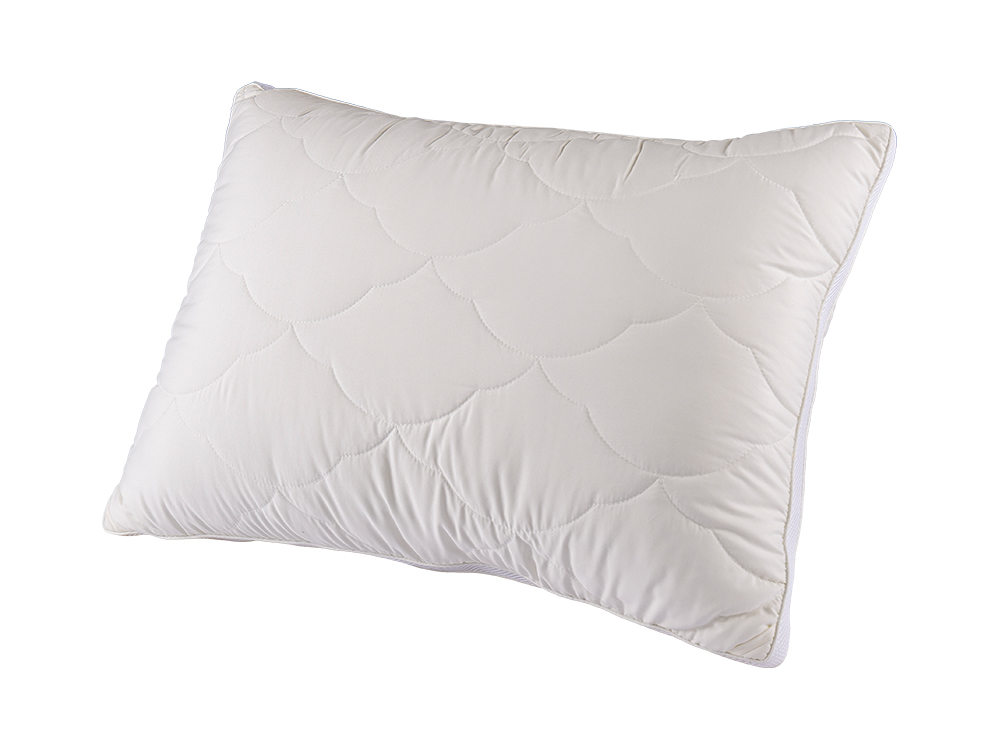
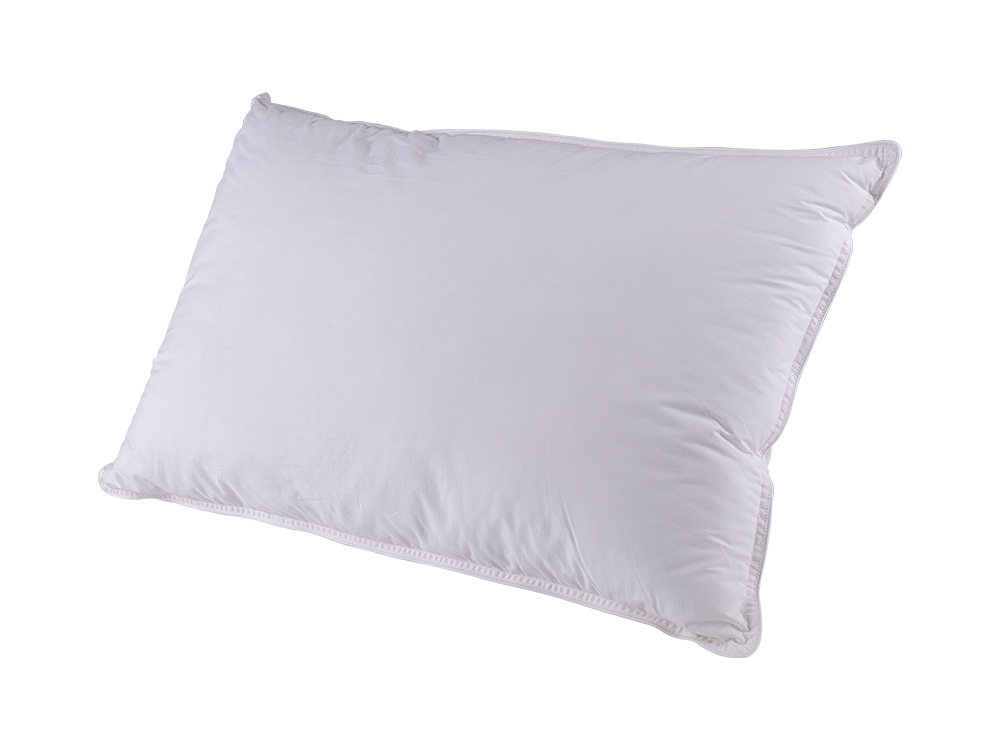 Cotton Skin-Friendly Pillow with Soft Cotton FillA pillow using 99.99% cotton skin-friendly fabric with a 3D cotton or pearl cotton fill, offering a soft, gentle touch for all ages. It is featured as the second fill option to compare directly with the alternatives.View Product →
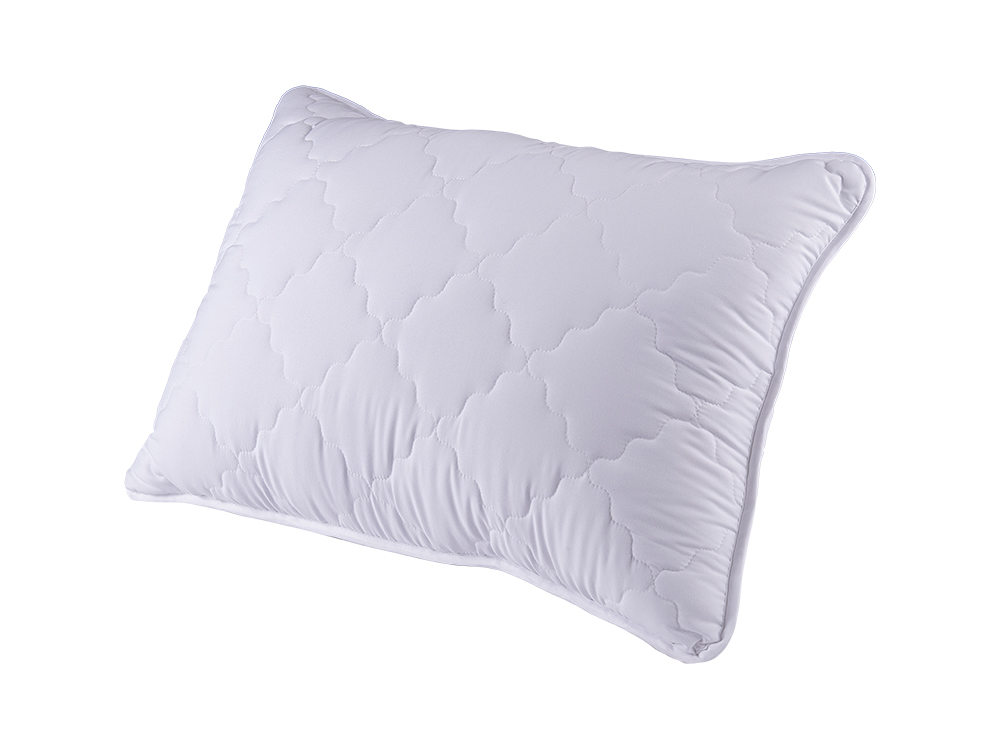
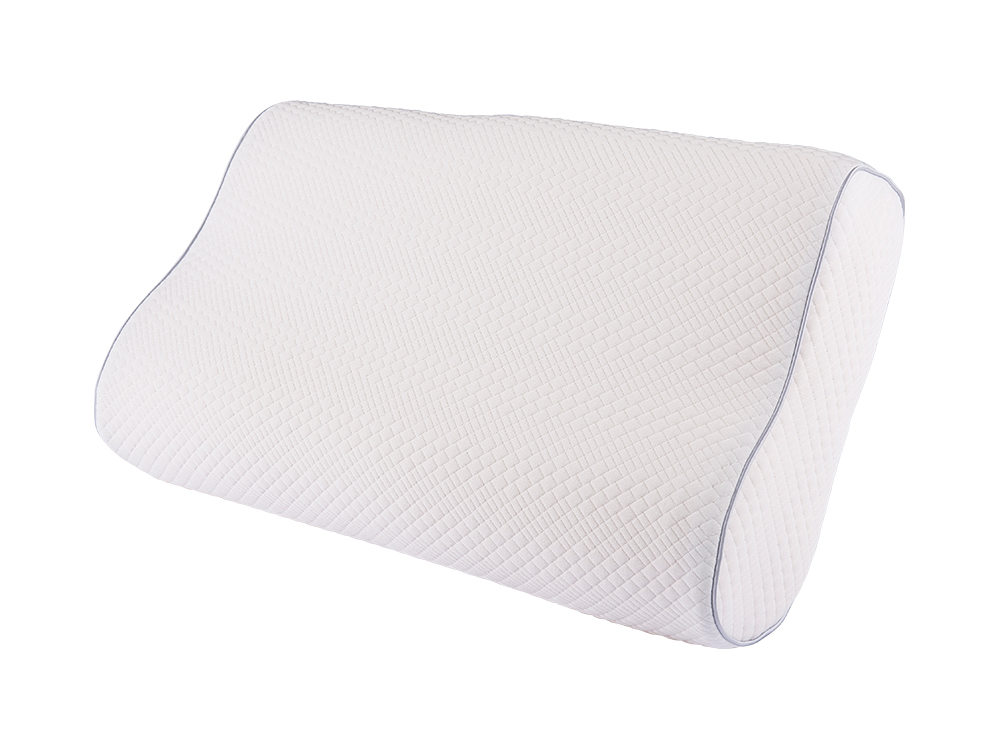
 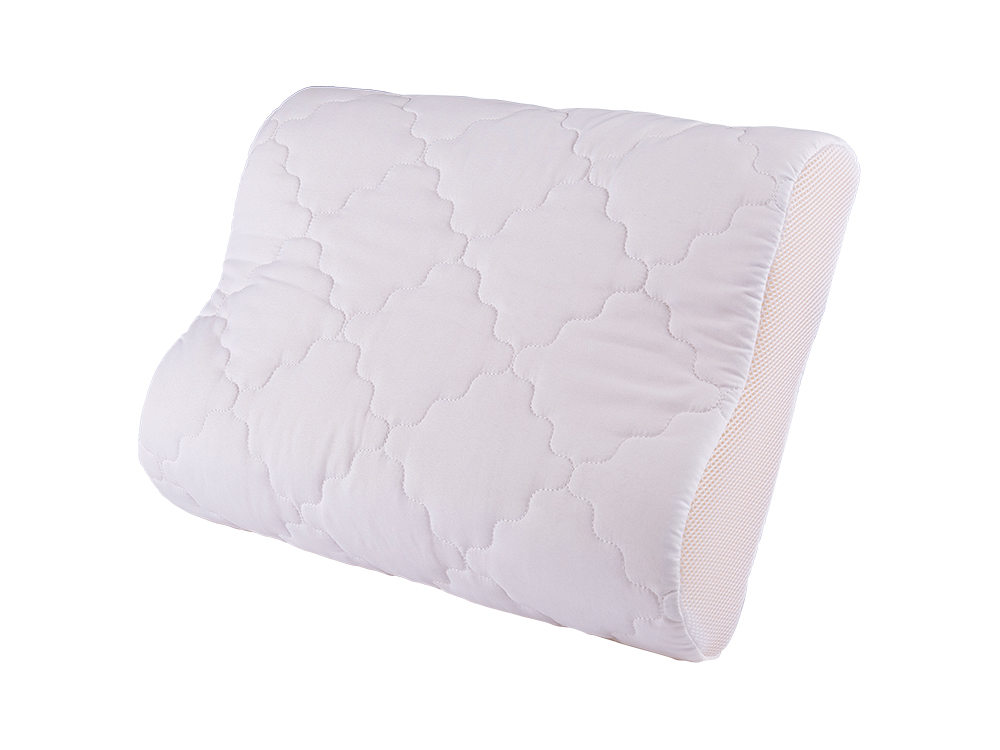 Memory Foam Pillow with Slow Rebound CoreA memory foam pillow built around a slow rebound core with 3D knitted fabric, designed for high-end comfort and support. It completes the comparison as the third major fill type alongside fiber and cotton options.View Product →
Before and After You Buy: A Practical Checklist
Whether you buy by the container or by the piece, these steps cover the realistic risks:
- Check for OEKO-TEX Standard 100 on the label or listing, note the product class, and ask for the certificate number if it is not shown.
- Air a new pillow in a ventilated room for 48 to 72 hours before first use.
- Wash the cover according to the care label before sleeping on it.
- Replace pillows every 18 to 24 months. This is hygiene rather than toxicity, since every fill gradually accumulates skin oils and dust mites.
- For babies and toddlers, choose the strictest certification class available and a tightly woven cover.
Importers and brand owners should go one step further and write the requirements into the purchase order: name the standard and product class, require batch test reports with each shipment, and specify care labeling so end customers can maintain the product correctly. That turns "our pillows are safe" from a sales sentence into a contractual obligation, and the difference becomes obvious the first time a retailer or market-surveillance authority asks for evidence.
So, are polyester pillows toxic? The polymer is not; unmanaged residues can be, and that risk applies to natural and synthetic textiles alike. A certified polyester pillow from a factory that tests its inputs is a safe, washable, and economical choice, while an uncertified pillow of any material is the one that deserves your suspicion.


 +86-573-88798028