



 Français
 Español
 Deutsch
Content
- 1 Product Overview
- 2 Key Specifications
- 3 Why Cotton Remains an Important Pillow Cover Material
- 4 The Role of the Sandwich Mesh Sidewall
- 5 Down-Alternative Polyester Filling
- 6 Comfort and Sleeping Experience
- 7 Moisture Management and Breathability
- 8 Construction Quality and Product Stability
- 9 Advantages Over Conventional Pillow Options
- 10 Manufacturing Capabilities
- 11 Production Process for the Pillow
- 12 Quality Management and Certifications
- 13 Benefits for Wholesale and Private-Label Buyers
- 14 Product Positioning and Market Appeal
- 15 Care, Handling, and Usage Guidance
- 16 How to Evaluate This Pillow Before Purchase
- 17 Frequently Asked Questions
- 17.1 What is the size of the pillow?
- 17.2 What is the outer fabric made from?
- 17.3 What is the purpose of the sandwich mesh wall?
- 17.4 Is the filling natural down?
- 17.5 Is the pillow suitable for warm climates?
- 17.6 Is this an orthopedic or medical pillow?
- 17.7 Can the pillow be used in hotels and guest rooms?
- 17.8 Can private-label customers customize the product?
- 17.9 How should the pillow be cared for?
- 17.10 What certifications does the manufacturer report?
- 17.11 What makes this pillow different from a generic polyester pillow?
- 18 Why Choose an Experienced Home Textile Factory?
- 19 Conclusion
- 20 References
- 21 Product: Breathable Cotton Pillow
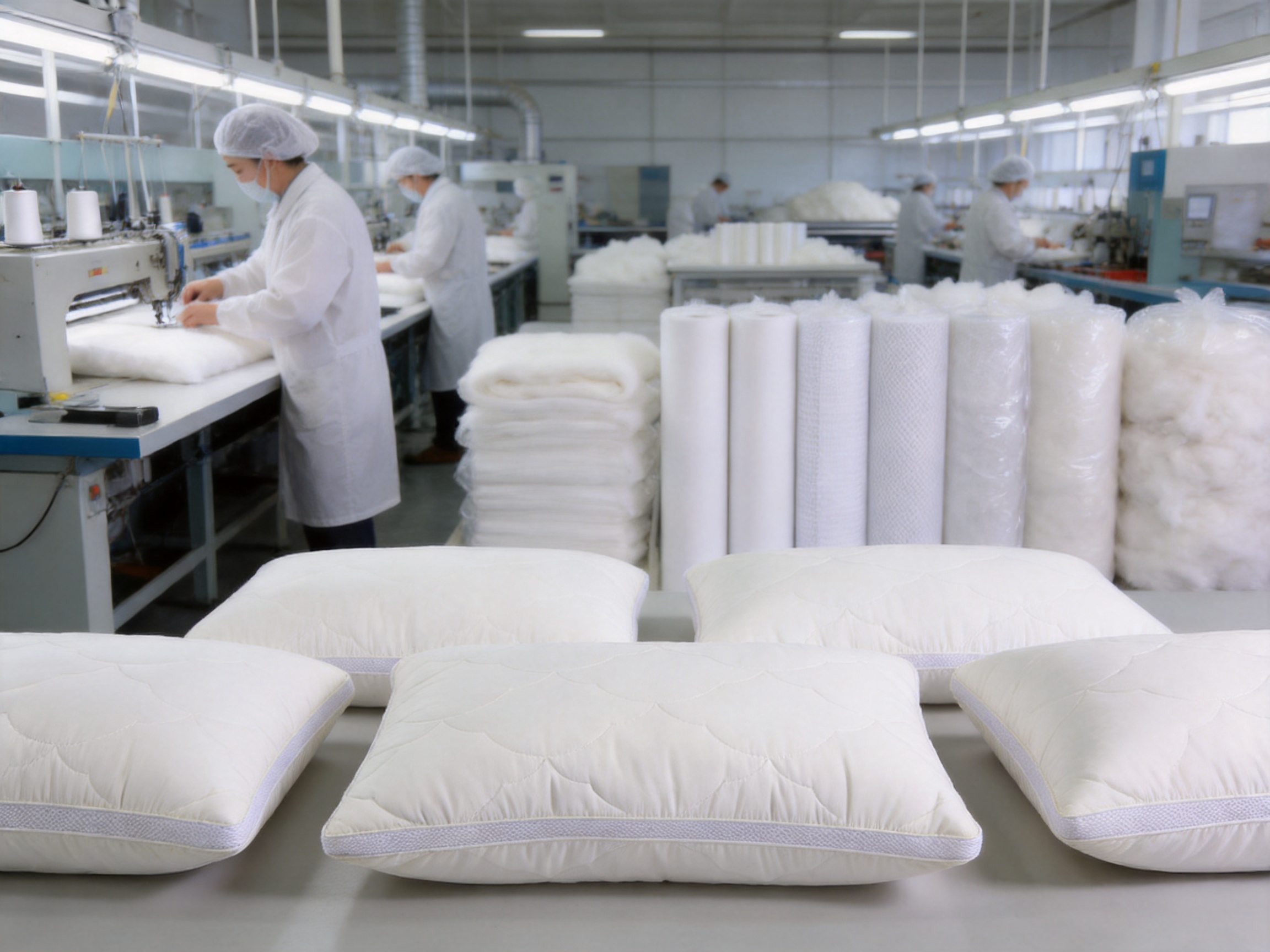
A pillow has a direct influence on sleep quality, daily comfort, and the overall performance of a bedding set. Although pillows may appear simple, their fabric, filling, construction, airflow, edge design, and manufacturing consistency all determine how they perform over time. A well-designed pillow must feel soft against the skin while also remaining supportive, breathable, hygienic, and stable after repeated use.
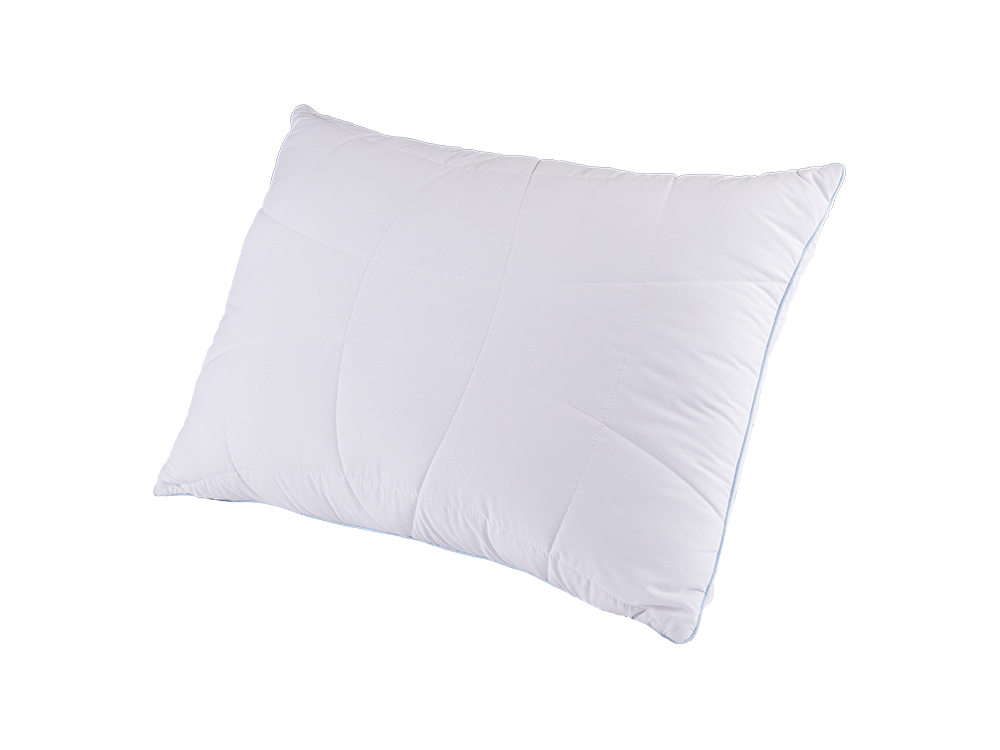
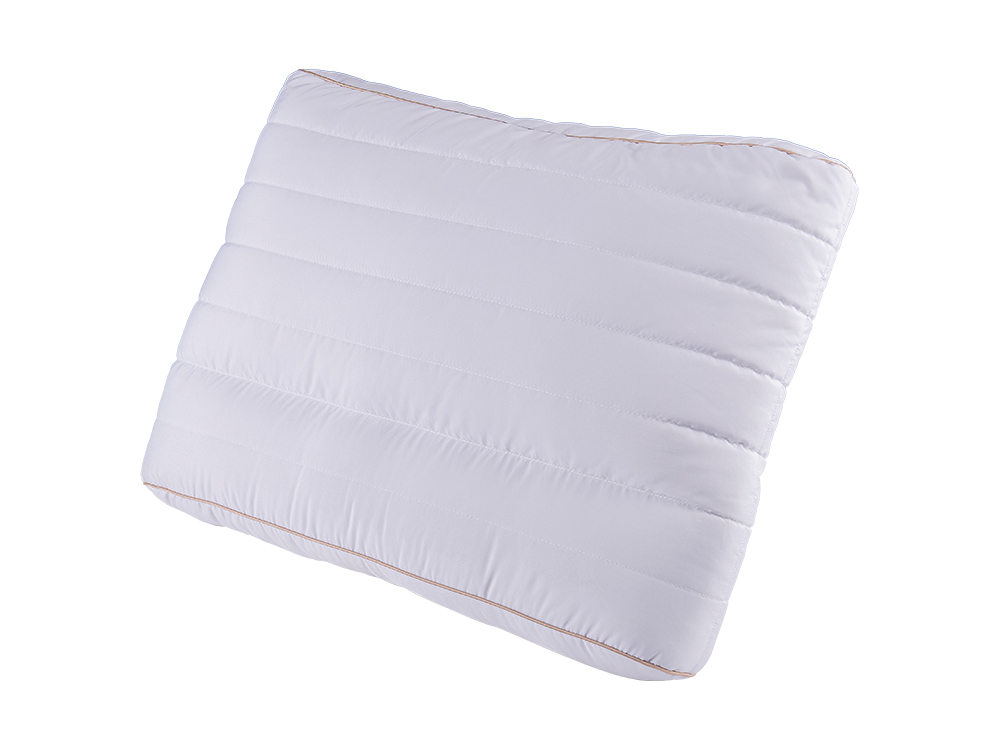
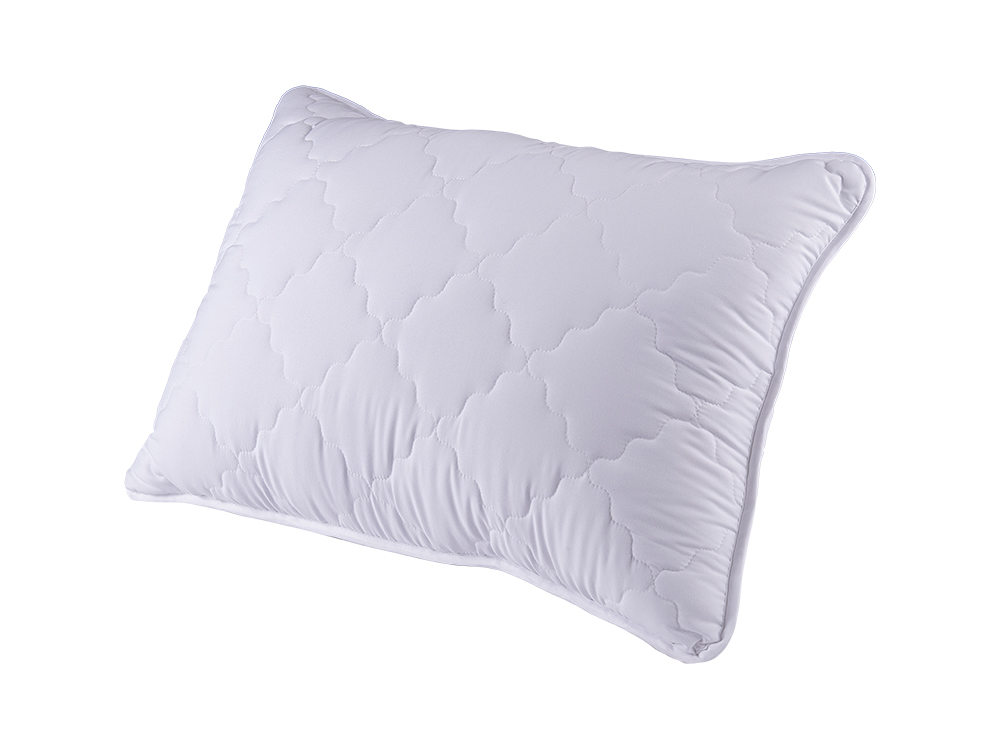
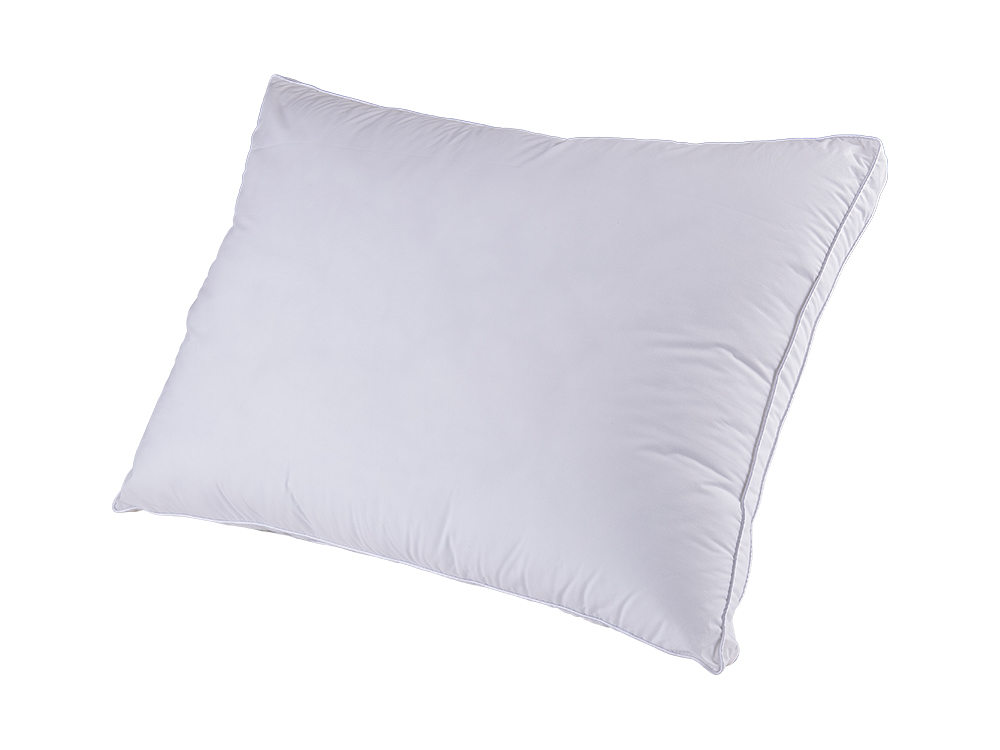
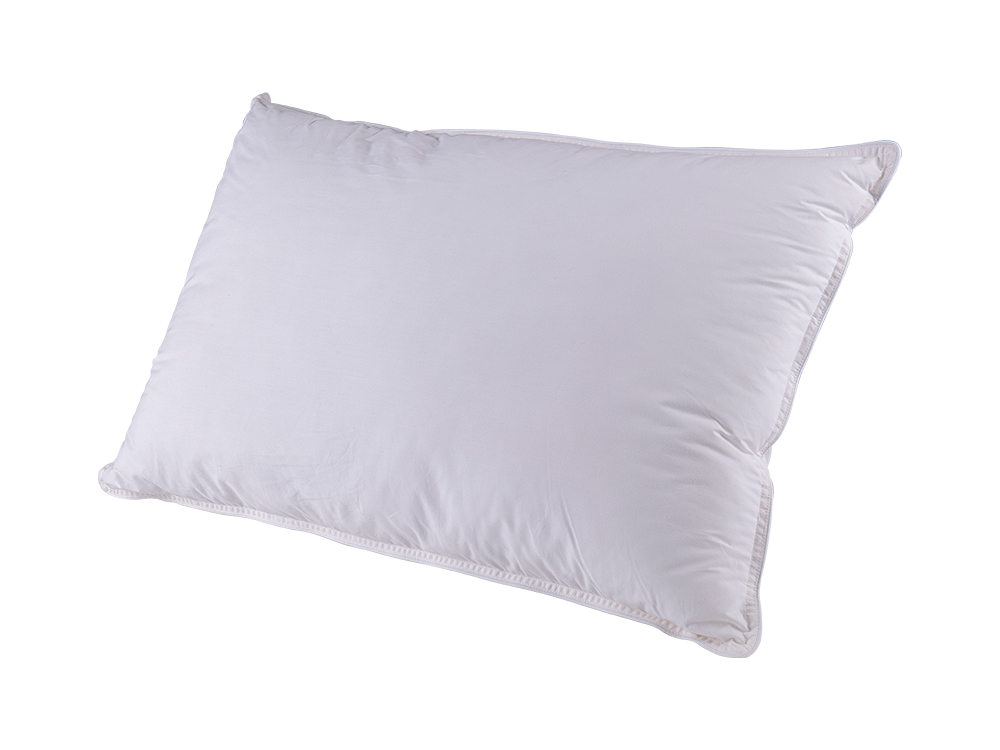
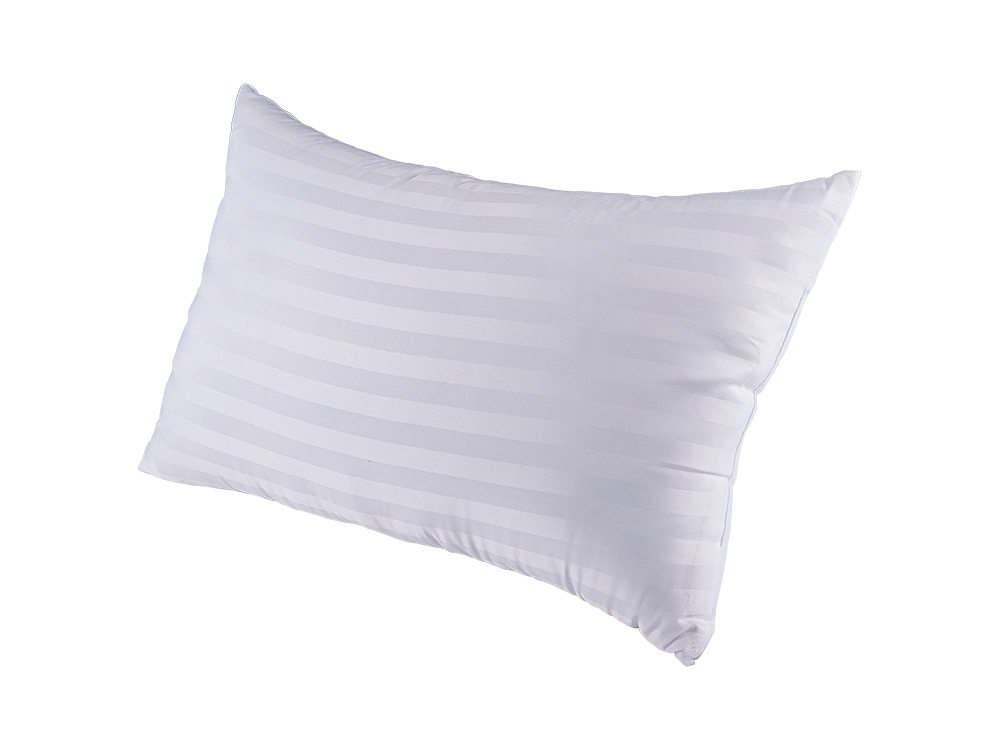
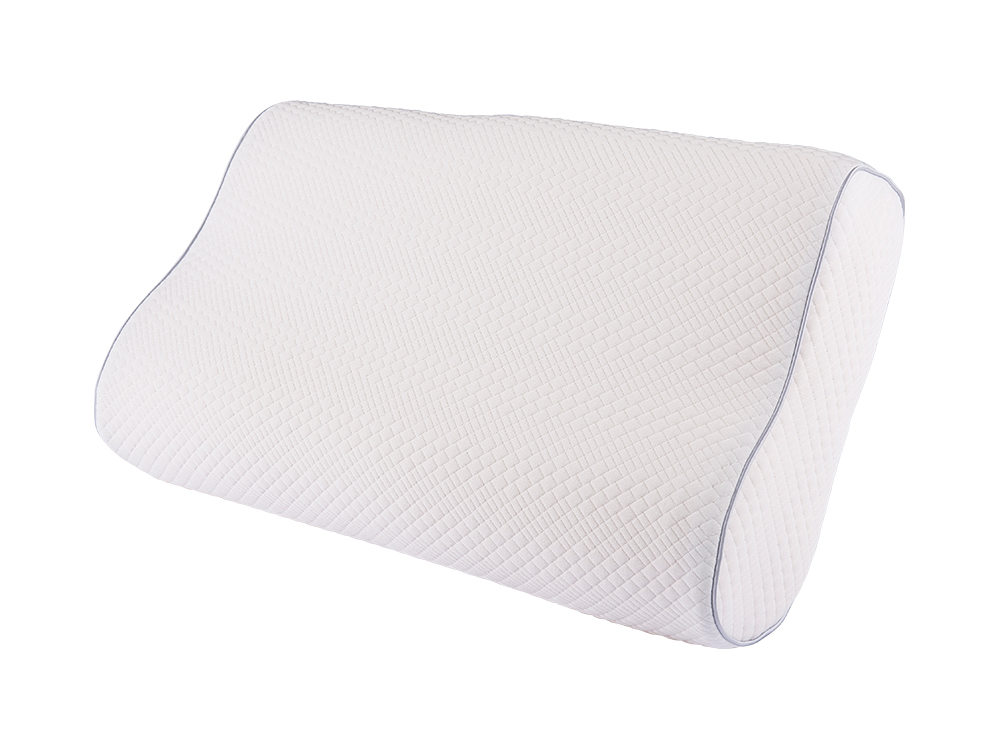
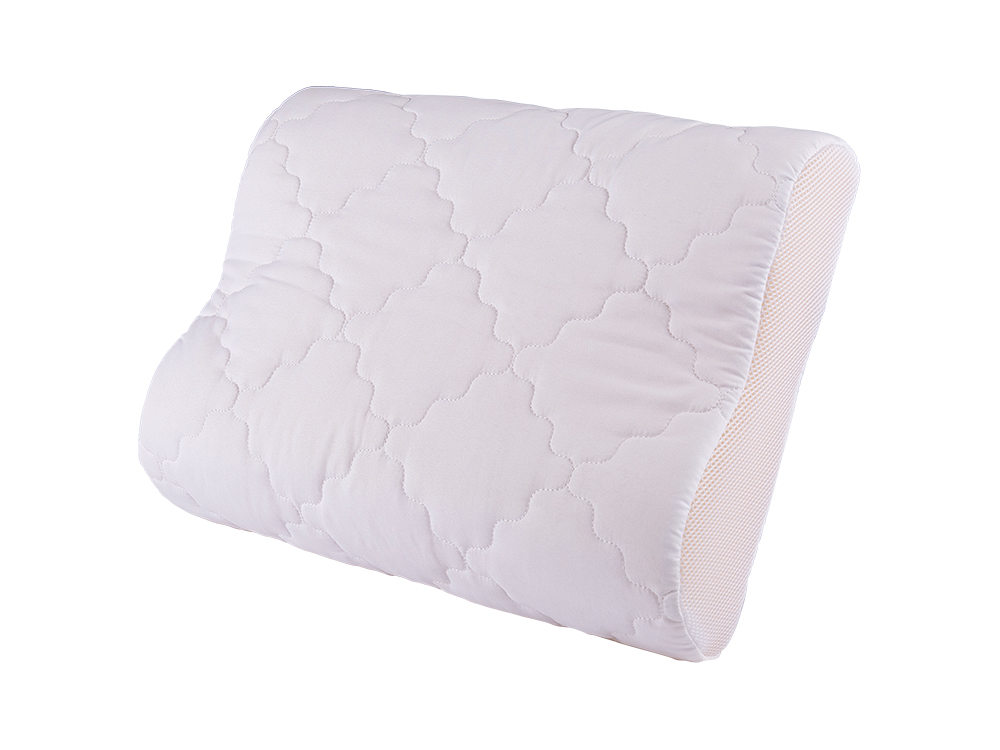
The Breathable Cotton Pillow is developed around these essential requirements. It combines a natural white 233-thread-count cotton shell with a breathable white sandwich mesh wall, a lightweight non-woven lining, and a carefully selected down-alternative polyester filling. The result is a pillow designed for customers who want a soft sleeping surface, improved moisture management, dependable loft, and a clean, versatile appearance.
Its 50 by 70 by 4 centimeter format is suitable for a broad range of bedrooms, hospitality environments, guest rooms, and bedding collections. The pillow is also suitable for private-label and wholesale programs because its construction offers a balanced combination of comfort, scalable manufacturing, practical materials, and a neutral appearance that can be integrated into different product lines.
Product Overview
The central purpose of this pillow is to create a comfortable sleeping environment through the combined performance of its cover and filling. The cotton fabric offers a soft, natural hand feel, while the breathable sidewall creates additional opportunities for air movement around the filling. This is important because heat and moisture can accumulate inside a conventional pillow during sleep.
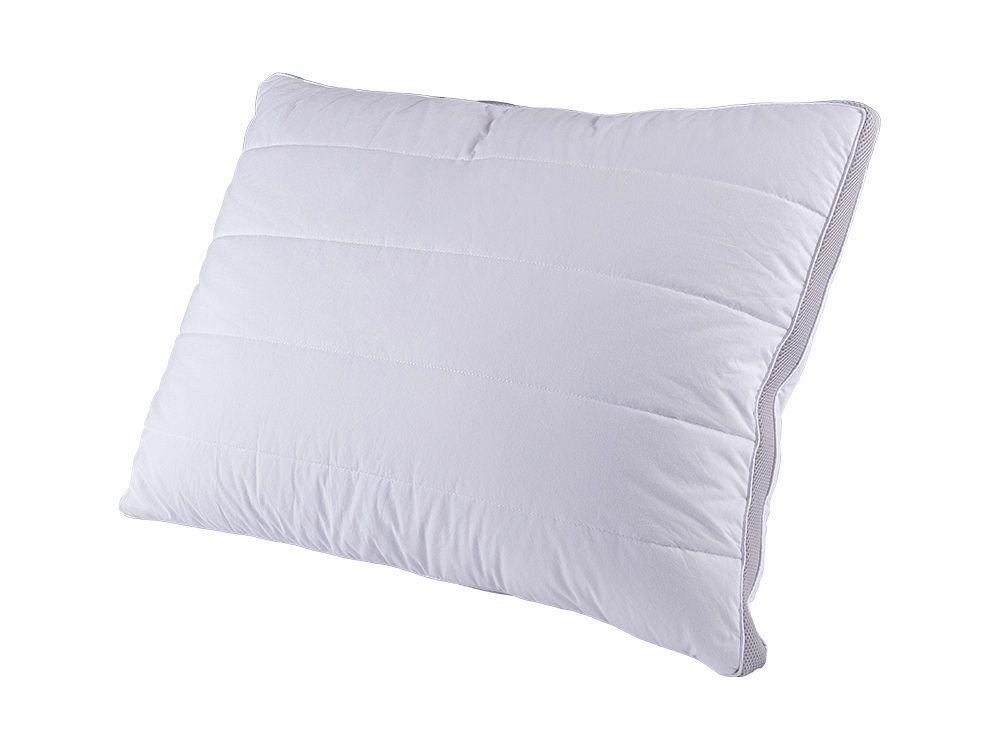
Instead of relying only on the top and bottom fabric panels, the design uses a sandwich mesh wall around the edge. This construction can help the pillow release heat and moisture more effectively than a fully enclosed, less breathable edge. The side structure also gives the pillow a defined profile and supports a more orderly distribution of the internal filling.
The filling consists of a blend of 3D and 0.9D down-alternative polyester fibers. These fibers are selected to provide a soft, resilient feel without using animal down. The combination can help produce a fuller appearance and a comfortable surface while reducing some of the concerns associated with natural down, including feather leakage, allergen sensitivity, and animal-origin material requirements.
The product description identifies the pillow as breathable, moisture-wicking, and odor-resistant in normal use. These characteristics are supported by the materials and structure rather than by a single treatment. Cotton contributes to comfort and moisture absorption, the mesh sidewall encourages airflow, and the synthetic filling is designed to remain stable and easy to manage in large-scale bedding production.
Key Specifications
| Item | Specification | Functional Contribution |
| Product type | Breathable cotton pillow | Designed for softness, airflow, and everyday sleeping comfort |
| Size | 50 x 70 x 4 centimeters | Suitable for standard bedding arrangements and commercial use |
| Outer fabric | Natural white 233-thread-count cotton | Soft, skin-friendly surface with a clean appearance |
| Side wall | White sandwich mesh | Supports ventilation and helps define the pillow edge |
| Lining | 30 grams per square meter non-woven fabric | Provides an internal support layer for the filling structure |
| Filling | 3D and 0.9D down-alternative polyester | Offers lightweight softness, resilience, and animal-free construction |
| Primary use | Home bedding, guest rooms, hospitality, and wholesale collections | Adaptable to multiple customer and distribution channels |
Why Cotton Remains an Important Pillow Cover Material
Cotton continues to be one of the most widely used materials in bedding because it provides a familiar combination of comfort, breathability, appearance, and practicality. A cotton pillow cover feels natural against the skin and is generally easier for customers to understand and accept than an unfamiliar synthetic surface.
The 233-thread-count cotton used for this pillow provides a smooth and comfortable shell without making the product unnecessarily heavy. Thread count should not be viewed as the only indicator of quality, but it can contribute to the density, surface feel, and visual consistency of the fabric. In this product, the fabric is selected to complement the soft down-alternative filling and breathable side construction.
The natural white color creates a clean and versatile appearance. White bedding is particularly useful in hotels, furnished apartments, hospitals, dormitories, rental properties, and retail collections because it can be coordinated with many decorative styles. It also presents a professional appearance when the pillow is packaged as part of a complete bedding set.
Cotton can also contribute to a more comfortable microclimate around the head and neck. During sleep, the body continuously releases heat and moisture. A fabric that feels comfortable and allows suitable air exchange can help reduce the clammy sensation associated with poorly ventilated bedding. The cotton shell works together with the mesh edge rather than functioning as an isolated feature.
For product buyers, cotton also offers strong market recognition. Consumers commonly associate cotton with softness, natural comfort, and everyday usability. This familiarity can make the pillow easier to position in online catalogs, retail displays, hotel procurement programs, and private-label bedding ranges.
The Role of the Sandwich Mesh Sidewall
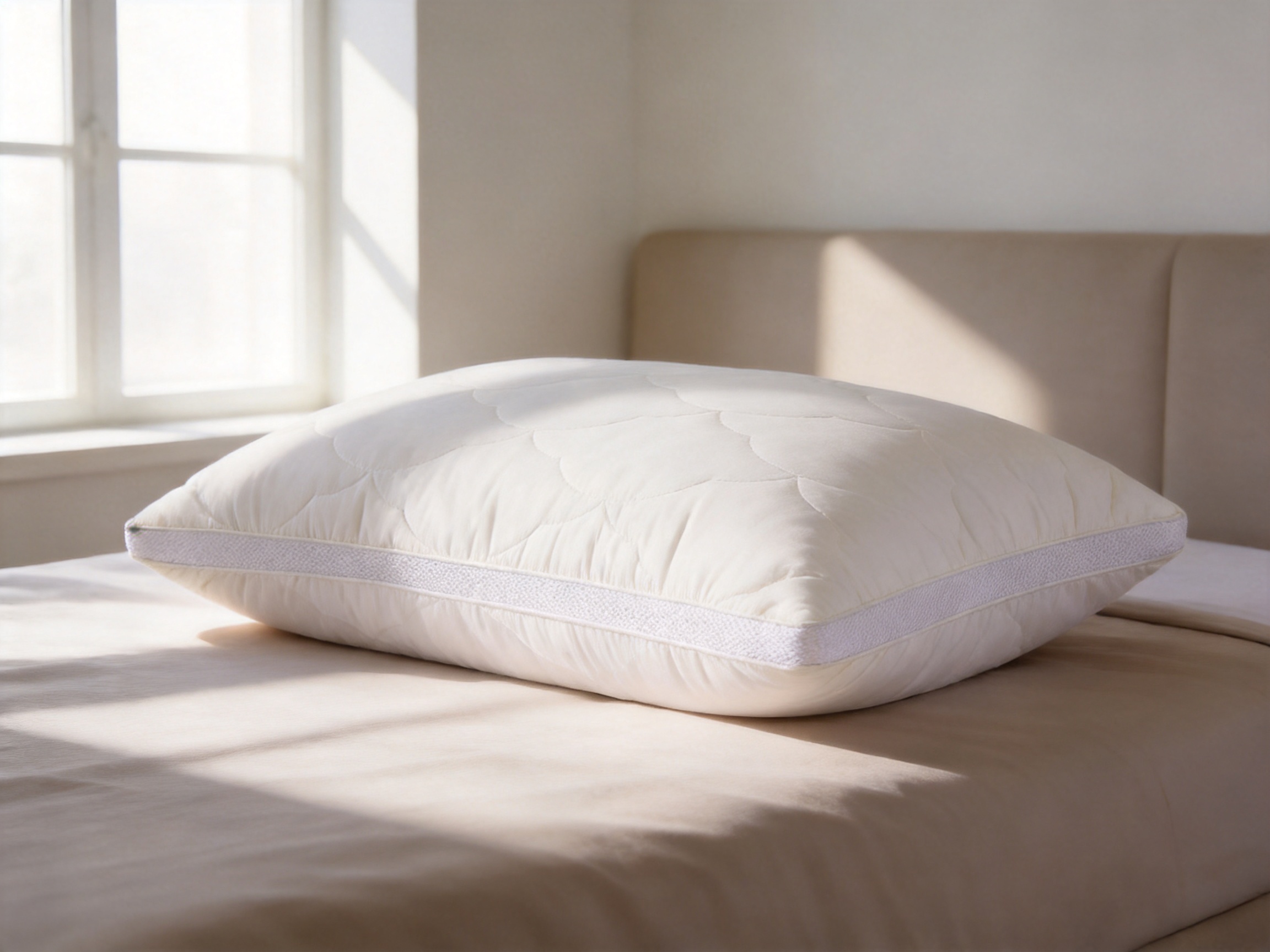
One of the most important design elements is the white sandwich mesh sidewall. The sidewall is not merely decorative. It affects the way air moves around the pillow, the way the edge holds its shape, and the way the cotton panels are joined into a complete product.
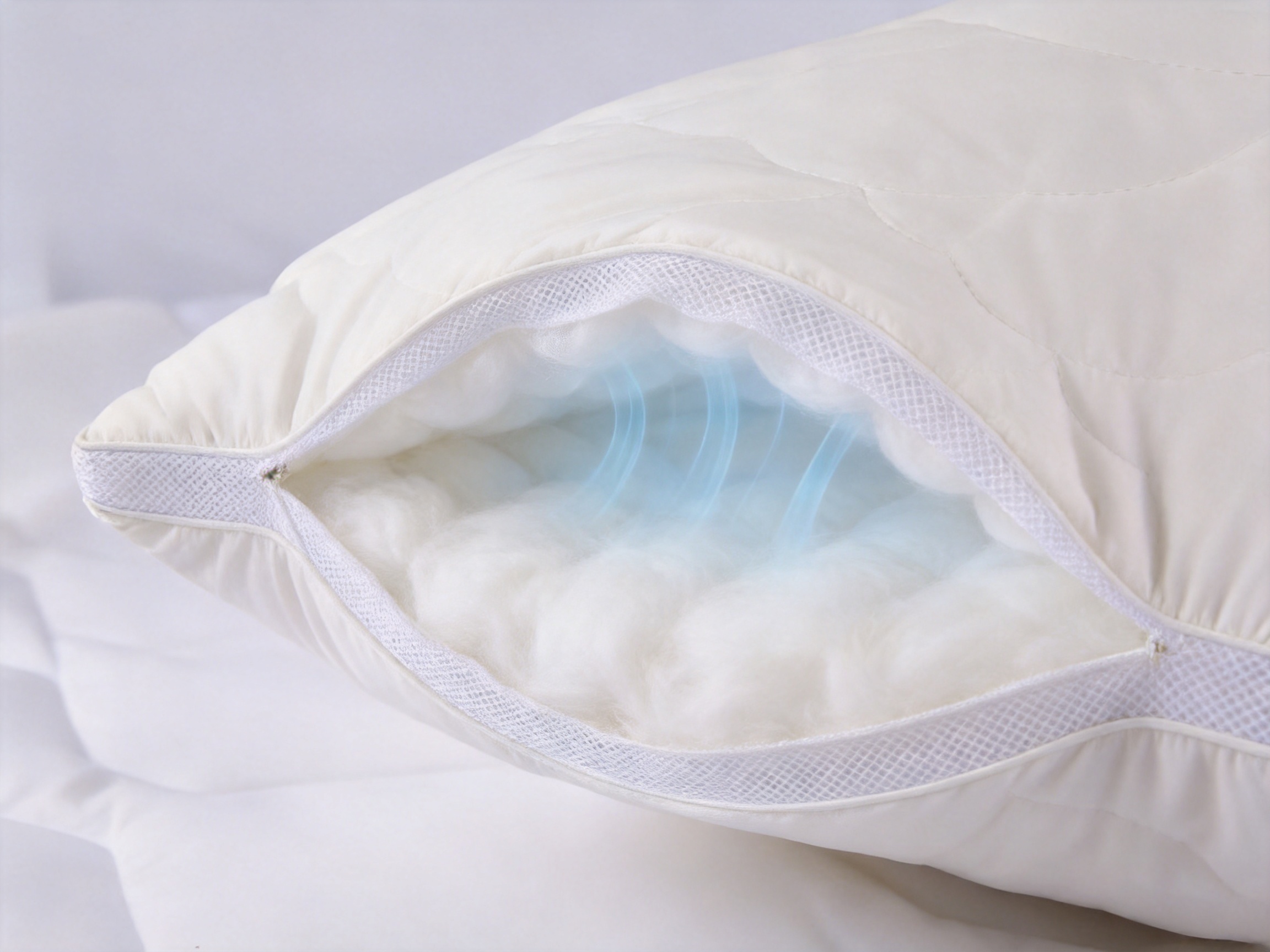
A pillow with a fully closed and dense edge may restrict air exchange within the filling chamber. By contrast, a mesh sidewall provides a more open structure that can support ventilation. As the sleeper changes position, the pillow is compressed and released. This repeated movement can encourage air to circulate through the breathable sections of the construction.
Improved airflow can help manage warmth and moisture during normal sleeping conditions. It does not eliminate perspiration, and no pillow can guarantee a completely cool sleeping experience for every person. However, the breathable sidewall is a practical design response to the common problem of heat retention in bedding products.
The sidewall can also help create a more controlled pillow profile. A defined edge provides a visual boundary between the upper and lower panels and can help keep the filling distributed across the intended sleeping area. This is valuable in production because a stable shape makes the pillow easier to inspect, package, stack, and present to customers.
The white mesh is coordinated with the natural white cotton cover, producing a consistent appearance around the entire pillow. This is especially useful when the pillow is displayed without a pillowcase or used in a hospitality setting where a clean and uniform look is important.
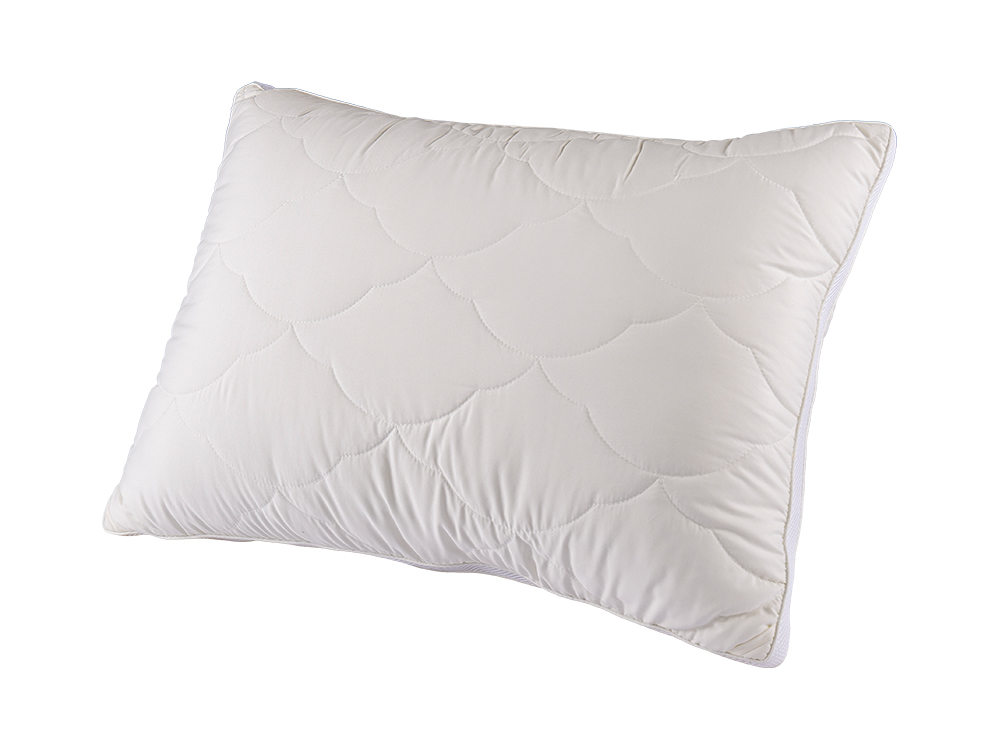
Breathable Cotton Pillow
Down-Alternative Polyester Filling
The filling uses 3D and 0.9D down-alternative polyester. The term down alternative refers to a synthetic filling designed to provide some of the softness and loft associated with down while avoiding the use of natural feathers. This makes the product appropriate for customers seeking an animal-free bedding option or a more uniform synthetic filling.
The combination of different fiber characteristics is intended to create a balanced feel. The finer 0.9D fiber can contribute to softness and a smooth hand feel, while the 3D fiber can help increase resilience and structure. Together, the fibers can produce a filling that is light, comfortable, and capable of recovering after compression.
Compared with natural down, polyester filling offers several practical advantages for manufacturing and distribution. Synthetic fibers can be produced with consistent specifications, which helps factories maintain more predictable filling weights and product dimensions. Polyester is also widely available, making it suitable for regular production programs and repeat orders.
Down-alternative filling can be easier to position for customers who are concerned about feather leakage or the use of animal materials. It also avoids the sharp quills that can occasionally be associated with feather-filled products. This contributes to a smooth internal feel and helps support a clean, low-maintenance product concept.
The filling is designed to resist premature flattening and deformation under ordinary use. No pillow remains unchanged indefinitely, since compression, washing, storage, and personal sleeping habits all affect loft. However, a properly selected synthetic fiber blend can support good recovery and provide a more consistent experience over the useful life of the product.
For retailers and bedding brands, this filling also provides flexibility. It can be marketed as a soft, breathable, down-alternative pillow that offers comfort without the price, care requirements, or material preferences associated with natural down. This positioning may appeal to families, hotels, rental properties, and consumers looking for accessible everyday bedding.
Comfort and Sleeping Experience
Comfort is a personal experience, but several construction details influence how a pillow feels. The cotton outer layer provides a smooth contact surface, while the synthetic filling creates softness beneath the cover. The 4 centimeter stated height gives the product a relatively streamlined profile that may be suitable for sleepers who prefer a lower or moderate pillow rather than a very high, heavily filled design.
The pillow can be used as part of a layered bedding arrangement or under a pillowcase selected by the customer. Its white color provides a neutral foundation, and its dimensions allow it to fit naturally into many standard bedroom layouts. Buyers should always confirm the preferred pillowcase size and intended sleeping position before placing an order, as comfort depends on individual needs.
The breathable construction is particularly relevant for warm climates, heated bedrooms, and sleepers who tend to feel warm at night. The cotton surface and mesh sidewall work together to help reduce the sensation of trapped heat. Although the final experience also depends on room temperature, bedding layers, and pillowcase material, the product is designed with airflow as a central consideration.
The filling can offer a soft and cushioned feel while maintaining enough structure for normal head and neck support. It is not presented as a specialized orthopedic pillow, contoured cervical pillow, or medical device. Its main purpose is everyday comfort, making it a practical choice for general home use and institutional bedding programs.
Because the product uses a down-alternative filling, it may also be suitable for households that prefer a consistent, feather-free interior. The material is familiar to many bedding buyers and can be used in products intended for adults, guest rooms, and general accommodation settings, subject to the purchaser's own product standards and care requirements.
Moisture Management and Breathability
Moisture management is an important part of bedding performance. During a normal night, perspiration and environmental humidity can affect the pillow surface and internal filling. If moisture is retained for too long, the sleeping experience may become uncomfortable and the product may develop unwanted odors if it is not properly aired and maintained.
The Breathable Cotton Pillow addresses this issue through several complementary features. Cotton provides a comfortable textile surface that can interact with moisture naturally. The mesh sidewall creates a more open perimeter, encouraging ventilation. The polyester filling is lightweight and does not rely on dense feather clusters that may restrict air movement.
These elements can help the pillow dry and air more effectively under normal conditions. Good ventilation is also supported by appropriate care practices, including regular airing, use of a breathable pillowcase, and compliance with the supplier's washing and drying instructions. Product care remains essential even when a pillow is designed for breathability.
The description emphasizes moisture-wicking and odor resistance. These characteristics should be understood as performance goals supported by the material structure, not as a substitute for cleaning or proper storage. A breathable pillow can provide a better environment for sleeping, but it must still be kept dry, clean, and protected from excessive humidity.
For hospitality and commercial buyers, moisture management can be especially valuable. Hotels, serviced apartments, and guest accommodations need bedding products that feel fresh and comfortable across repeated use cycles. A breathable, synthetic-filled pillow can fit into a broader bedding management program that includes protective covers, scheduled laundering, inspection, and replacement procedures.
Construction Quality and Product Stability
A pillow's performance depends on more than its raw materials. The panels must be cut accurately, the filling must be distributed evenly, the sidewall must be joined securely, and the completed product must be inspected for shape and finish. Inconsistent production can create thin areas, lumpy sections, weak seams, or uneven dimensions even when the listed materials appear suitable.
The manufacturing approach behind this pillow is intended to maintain a stable relationship between the cotton shell, mesh sidewall, non-woven lining, and polyester filling. The lining provides an internal layer that helps support the filling chamber. The mesh wall defines the edge, while the cotton panels create the main sleeping surface.
Even filling distribution is important for comfort. If the filling is concentrated in one area, the pillow may feel unbalanced and may lose its intended shape more quickly. A professional bedding factory can use standardized filling procedures and production checks to reduce variation between pieces and between different batches.
Shape inspection is also important. The stated size of 50 by 70 by 4 centimeters gives buyers a clear reference for planning pillowcase production, packaging, carton capacity, and shipping arrangements. Dimensional consistency is particularly valuable for wholesale customers who need their products to fit existing bedding collections.
The clean white color makes quality checks more visible. Stains, uneven stitching, fabric defects, and filling irregularities can be identified more easily on a white product. This supports a more disciplined inspection process before packing and shipment.
Advantages Over Conventional Pillow Options
Compared with Basic Polyester Pillows
A basic polyester pillow may offer an affordable entry price, but some low-cost products use a dense or poorly ventilated construction. The Breathable Cotton Pillow adds a natural cotton cover and sandwich mesh sidewall to improve the overall material experience. The combination can provide a softer surface and better airflow than a simple, fully enclosed polyester design.
The 3D and 0.9D filling combination also provides a more considered fiber structure than an unspecified polyester filling. Buyers can communicate the use of a down-alternative blend and a cotton shell as meaningful product benefits rather than relying only on a low-price position.
Compared with Fully Synthetic Outer Covers
Fully synthetic covers can be durable and economical, but some consumers prefer the familiar feel of cotton. Cotton often provides a more natural hand feel and can support a more premium product presentation. The natural white 233-thread-count cotton cover gives this pillow a clean surface that may be more attractive to bedding brands and hospitality buyers.
The cotton cover is balanced by synthetic components where they provide practical advantages. The filling is down-alternative polyester, and the inner lining is non-woven fabric. This combination avoids the need to make the entire product from a single material and allows each component to perform a specific function.
Compared with Natural Down Pillows
Natural down pillows are valued for softness and loft, but they may not meet every customer's preferences or budget. Some buyers want animal-free materials, reduced risk of feather leakage, or easier product consistency across large quantities. The down-alternative construction offers a practical option for these customers.
Synthetic filling can also simplify procurement because its composition and performance are easier to standardize for repeat production. This can be helpful for hotels, retailers, and private-label brands that need consistent product specifications over time.
Compared with Heavy, Dense Pillows
Some pillows are filled so densely that they feel warm, heavy, or difficult to reshape. This product uses a breathable sidewall and lightweight polyester structure to support a more comfortable, manageable design. Its 4 centimeter profile can also appeal to customers who do not want a bulky pillow.
Manufacturing Capabilities
Tongxiang Xinlong Bedding Co., Ltd. was established in January 2002 and operates in Wuzhen, Tongxiang, Zhejiang Province, China. The company specializes in home textile products and has developed experience in producing quilts, pillows, cushions, bedspreads, travel quilts, mattress protectors, blankets, quilt covers, pillowcases, shower curtains, curtains, and related bedding items.
The company covers approximately 21,000 square meters, with a construction area of approximately 18,000 square meters. Its workforce includes more than 320 employees, and its production facilities are equipped with various types of bedding manufacturing equipment. These resources provide a foundation for handling different product categories and supporting larger customer programs.
A broad product range can be an important advantage for bedding buyers. A customer sourcing pillows may also need quilts, mattress protectors, cushions, blankets, or covers. Working with a factory that understands multiple bedding categories can make product coordination easier and help maintain a consistent approach to materials, workmanship, packaging, and quality control.
The company's technical personnel support product development and manufacturing improvement. In a changing home textile market, factories must adjust to new materials, evolving consumer preferences, updated sustainability expectations, and different customer requirements. Professional technical support helps translate a product concept into a repeatable manufacturing process.
For this pillow, manufacturing competence is reflected in the integration of several materials rather than in a single fabric choice. The cotton panels, sandwich mesh, non-woven lining, and blended polyester filling must work together. Cutting, sewing, filling, shaping, inspection, and packing all influence the final result.
Production Process for the Pillow
Material Selection and Incoming Inspection
Production begins with the selection and inspection of the raw materials. Cotton fabric is checked for color consistency, surface quality, width, and visible defects. The sandwich mesh is inspected for uniform structure and strength. Non-woven lining and polyester filling are reviewed against the required specifications before they enter production.
Incoming inspection helps prevent material variation from affecting finished pillows. This is particularly important for white bedding, where stains, discoloration, uneven texture, and contamination can be readily visible. Maintaining clear material standards also supports repeat orders and helps buyers receive products that remain consistent with approved samples.
Fabric Preparation and Cutting
The cotton fabric is prepared and cut into the required panels. Accurate cutting supports consistent dimensions and helps the sewing team achieve an even finished shape. The mesh sidewall is prepared according to the pillow's perimeter requirements, and the lining is cut or arranged to support the internal filling chamber.
Efficient cutting also helps control material use. A professional factory can organize cutting layouts to reduce unnecessary waste while preserving the required grain direction, appearance, and construction quality. This is beneficial for cost control and can contribute to more responsible resource use.
Panel and Sidewall Assembly
The cotton panels and mesh sidewall are assembled through controlled sewing operations. The sidewall must be joined evenly around the perimeter so that the completed pillow does not twist or develop irregular corners. Seam quality is important because the edge must hold the filling securely during use and handling.
The non-woven lining is incorporated as an internal layer. Its purpose is to support the structure and help contain the filling within the intended chamber. The assembly sequence must be managed carefully so that the lining does not create unwanted folds or interfere with the final pillow profile.
Filling and Distribution
The 3D and 0.9D polyester fibers are introduced into the pillow according to the approved filling specification. The filling amount influences softness, loft, weight, and recovery. A consistent filling process helps ensure that each pillow provides a similar experience.
After filling, the material is distributed across the interior. This step is essential because even a high-quality fiber blend can perform poorly if it is concentrated in one section. Proper distribution supports a smoother surface, a balanced feel, and a more attractive finished appearance.
Closing, Shaping, and Inspection
Once the filling is distributed, the remaining opening is closed. The finished pillow is then shaped and checked for dimensions, seam security, surface cleanliness, filling distribution, and general appearance. Any irregularity identified during inspection can be corrected or removed from the shipment according to the factory's quality procedures.
Inspection is not limited to appearance. A professional review should also consider whether the sidewall is joined securely, whether the cotton shell is properly aligned, and whether the filling is stable within the pillow. These checks help protect customer satisfaction and reduce problems after delivery.
Packaging and Shipment Preparation
After inspection, the pillows are prepared for packaging. Packaging requirements may differ according to the buyer's retail, hospitality, or wholesale program. The factory can coordinate packing formats, carton quantities, labeling, and shipment preparation with the customer's specifications, subject to order confirmation.
Good packaging protects the pillow from dust, moisture, compression damage, and handling during transportation. It also helps buyers manage inventory after arrival. The white surface makes protective packaging particularly important because contamination can affect the product's presentation.
Quality Management and Certifications
The company reports that it has passed international certifications and social compliance assessments including ISO 9001, ISO 14001, OEKO-TEX Standard 100, OEKO-TEX STeP, the Global Recycled Standard, and BSCI. These certifications and assessments represent important aspects of quality management, environmental management, material testing, responsible production, and social compliance.
ISO 9001 is associated with quality management systems. In a bedding factory, a quality management approach can support documented procedures, process control, corrective action, and continuous improvement. These practices are valuable when producing products for customers who require stable quality across repeated orders.
ISO 14001 relates to environmental management systems. Environmental management can include the monitoring of resource use, waste handling, operational controls, and improvement objectives. While certification does not mean that a product has no environmental impact, it demonstrates that environmental management is treated as a structured business responsibility.
OEKO-TEX Standard 100 is widely recognized in textile markets for testing harmful substances in certified components or products according to the applicable certification scope. Buyers should confirm the current certificate details, product coverage, and validity for a specific order. The certification reference can nevertheless be an important part of a responsible sourcing discussion.
OEKO-TEX STeP focuses on sustainable textile and leather production facilities. The Global Recycled Standard is relevant to products or materials that meet its applicable recycled-content and chain-of-custody requirements. BSCI is associated with social compliance and responsible supply-chain practices. Customers should request current documentation and verify which components and facilities are covered before making compliance claims.
The company also states that it has been rated as a safety production standardization enterprise for several consecutive years since 2016. Production safety is important in any manufacturing environment because safe procedures protect employees, support operational continuity, and reduce the risk of accidents that could affect order fulfillment.
Benefits for Wholesale and Private-Label Buyers
The Breathable Cotton Pillow is suitable for customers who need a reliable general-purpose product rather than a highly specialized design. Its neutral white color, practical dimensions, cotton shell, breathable edge, and down-alternative filling allow it to serve several market segments.
Retail bedding brands can position the pillow as a breathable, cotton-covered, feather-free comfort product. Its specification can be presented clearly on packaging and product pages, giving consumers useful information about the size, shell fabric, sidewall, lining, and filling.
Hotels and guest accommodations may value the clean appearance and easy-to-understand construction. A white pillow can coordinate with standard white bedding programs, while the synthetic filling can support consistent procurement. The breathable design is also relevant to guest comfort, particularly in warm or humid environments.
Furniture and home furnishing companies can include the pillow with bedroom packages, mattresses, adjustable beds, or room sets. Its compact profile and neutral appearance make it easy to integrate into different styles without competing with decorative bedding.
Distributors and importers can benefit from working with a factory that produces multiple home textile categories. A broader supply relationship may simplify product development, sampling, order coordination, and shipping management. It may also allow buyers to build a coordinated collection instead of sourcing every bedding item from a separate supplier.
For private-label programs, the basic product can serve as a starting point for packaging, labeling, and collection development. Buyers may discuss available customization options such as packaging design, labels, care instructions, carton markings, fabric alternatives, filling weights, and order quantities. Any custom specification should be confirmed through sampling and written production approval.
Product Positioning and Market Appeal
The pillow can be positioned between basic economy bedding and premium natural-down products. It offers more material detail and structural design than a generic polyester pillow while remaining practical and accessible compared with many natural-down alternatives.
Its strongest selling points are easy to communicate. The cotton surface provides a natural and soft contact layer. The sandwich mesh sidewall supports breathability. The down-alternative filling offers animal-free softness and consistent production. The white color delivers a clean appearance. The established factory provides experience in multiple home textile categories.
These benefits can be adapted to different customer messages. A retail customer may focus on softness and breathable comfort. A hotel buyer may emphasize consistent quality, clean appearance, and practical supply. A distributor may highlight the combination of clear specifications, broad applications, and factory production capability.
The product also responds to several current bedding preferences. Many consumers want breathable materials because they sleep warm. Others prefer synthetic alternatives to natural down. Some customers look for cotton because it feels familiar and comfortable. The pillow combines these preferences in a single construction without adding unnecessary decorative complexity.
Care, Handling, and Usage Guidance
Correct care helps preserve the pillow's comfort and appearance. Buyers should follow the care label and the supplier's confirmed washing instructions because the appropriate process depends on the final construction, seam design, packaging requirements, and any additional treatment applied during production.
The pillow should be kept dry and allowed to air regularly. A breathable pillowcase can help protect the cotton surface while allowing the product to retain some of its ventilation benefits. Excessive compression for long periods should be avoided when possible because continuous pressure can reduce the apparent loft of any soft filling.
If the pillow is washed, it should be dried completely before use or storage. Residual moisture inside the filling can reduce comfort and may contribute to odor. Commercial buyers should establish laundering procedures that are compatible with the product specification and should inspect pillows regularly for cleanliness, shape, and seam condition.
Storage should take place in a clean, dry, and ventilated area. Pillows should not be exposed to excessive humidity, sharp objects, chemicals, or prolonged direct sunlight. When the product is shipped in compressed packaging, the buyer should follow the recommended recovery period and handling process before placing it into service.
These recommendations are general guidance. Final care instructions should be based on the approved sample, label requirements, and the buyer's intended market. Retail and hospitality customers may need to conduct their own laundering, packaging, and durability evaluations before full-scale purchasing.
How to Evaluate This Pillow Before Purchase
Buyers should begin by confirming the intended application. A pillow for retail sale may require attractive packaging and consumer care instructions, while a hotel pillow may require a different packing quantity, laundering protocol, or replacement schedule. The same base construction can serve different channels, but the commercial requirements should be defined early.
Sample evaluation should include the surface feel, filling distribution, edge construction, dimensions, visual whiteness, and overall shape. Buyers should compare the pillow after unpacking, after compression, and after a reasonable period of use or testing. This helps reveal whether the product meets the expected comfort and recovery requirements.
For organizations with technical purchasing standards, laboratory testing may be appropriate. Possible evaluations can include fabric composition, dimensional stability, seam strength, color consistency, filling composition, flammability where required, and testing for restricted substances. The exact test program should reflect the destination market and applicable regulations.
Buyers should also request current certification documentation if certifications are important to the project. Documents should be checked for the correct company, facility, product scope, certificate number, issue date, and expiration date. This is especially important when marketing the pillow with environmental, health, or social compliance statements.
Order planning should include lead time, minimum order quantity, packaging, labeling, inspection standards, shipping method, and payment terms. A clear technical specification reduces misunderstandings and helps the factory prepare an accurate quotation and production plan.
Frequently Asked Questions
What is the size of the pillow?
The stated size is 50 by 70 by 4 centimeters. Buyers should confirm dimensional tolerances and the preferred pillowcase size with the supplier before production.
What is the outer fabric made from?
The outer fabric is natural white 233-thread-count cotton. It is selected to provide a soft, skin-friendly surface and a clean appearance.
What is the purpose of the sandwich mesh wall?
The white sandwich mesh wall supports airflow around the pillow edge and helps create a defined, stable profile. It is an important part of the product's breathable construction.
Is the filling natural down?
No. The filling is a down-alternative polyester blend consisting of 3D and 0.9D fibers. It is designed to provide softness and resilience without using natural down.
Is the pillow suitable for warm climates?
The breathable cotton cover and mesh sidewall are designed to support ventilation and moisture management, which may make the pillow suitable for warm or humid environments. Actual comfort also depends on room conditions, pillowcases, bedding layers, and individual preferences.
Is this an orthopedic or medical pillow?
No. The product is a general-purpose bedding pillow. It is not described as a medical device, orthopedic pillow, or specialized cervical support product.
Can the pillow be used in hotels and guest rooms?
Yes. Its white appearance, practical size, synthetic filling, and breathable structure make it suitable for many hospitality applications. Commercial buyers should confirm laundering requirements, packaging, durability expectations, and local regulations before ordering.
Can private-label customers customize the product?
Customization may be available depending on the order quantity and production requirements. Possible discussion points include labels, packaging, care instructions, carton markings, fabric details, filling weight, and other approved specifications. Custom features should be confirmed through a sample and written agreement.
How should the pillow be cared for?
Care should follow the final product label and supplier instructions. In general, the pillow should be kept dry, aired regularly, protected with a suitable pillowcase, and dried completely after any approved washing process.
What certifications does the manufacturer report?
The company reports certifications and assessments including ISO 9001, ISO 14001, OEKO-TEX Standard 100, OEKO-TEX STeP, the Global Recycled Standard, and BSCI. Buyers should request current documentation and confirm the scope applicable to the specific order.
What makes this pillow different from a generic polyester pillow?
Its main differences are the 233-thread-count cotton shell, breathable sandwich mesh sidewall, internal non-woven lining, and blended 3D and 0.9D down-alternative filling. These features provide a more clearly defined comfort and airflow concept than an unspecified basic polyester pillow.
Why Choose an Experienced Home Textile Factory?
Working with an experienced bedding manufacturer offers advantages beyond the production of one product. A factory with a long operating history can develop established procedures for sourcing, cutting, sewing, filling, inspection, packaging, and shipment preparation. These systems help reduce avoidable variation and support more predictable order management.
Tongxiang Xinlong Bedding Co., Ltd. has operated since 2002 and specializes in a wide range of home textile products. Its experience across pillows, quilts, cushions, mattress protectors, blankets, and related items allows it to understand how different bedding components are used together.
The company's reported facilities, workforce, technical personnel, and certification framework provide a foundation for serving different customer types. Retail brands, hospitality buyers, importers, and distributors often require different levels of communication and documentation. A factory with broader capabilities may be better prepared to coordinate these requirements.
Manufacturing strength is also important when a buyer wants to develop a collection. A pillow can be matched with quilts, mattress protectors, cushions, blankets, or other bedroom products. Coordinated sourcing can help maintain a consistent color direction, material philosophy, packaging style, and quality expectation across the collection.
Continuous improvement is another important factor. Home textile markets change as consumers seek improved breathability, simpler care, sustainable materials, new textures, and more responsible production. A manufacturer that invests in technical personnel and process development is better positioned to respond to these changes.
Conclusion
The Breathable Cotton Pillow is a thoughtfully structured everyday bedding product that combines a soft cotton surface, a breathable sandwich mesh sidewall, a supportive internal lining, and a 3D and 0.9D down-alternative polyester filling. Its 50 by 70 by 4 centimeter format, natural white appearance, and practical construction make it suitable for homes, retail collections, hospitality programs, guest accommodations, and wholesale distribution.
Its advantages over basic competing pillows come from the interaction of its materials. Cotton improves the surface experience, mesh supports airflow, the synthetic filling provides feather-free softness and production consistency, and the defined edge helps maintain the product's shape. Together, these features support a balanced value proposition between simple economy pillows and more expensive natural-down alternatives.
The product is backed by the manufacturing experience of Tongxiang Xinlong Bedding Co., Ltd., a home textile producer established in 2002 with a substantial facility, more than 320 employees, a broad product portfolio, technical personnel, and reported quality, environmental, textile safety, recycled-material, and social compliance certifications.
For buyers seeking a breathable cotton pillow with a clean appearance, accessible material specification, animal-free filling, and scalable factory support, this product provides a practical foundation. Final purchasing decisions should be based on approved samples, confirmed specifications, current certification documents, destination-market requirements, and clearly agreed production and care standards.
References
1. Product specification information supplied for the Breathable Cotton Pillow, including dimensions, fabric, sidewall, lining, and filling details.
2. Company information supplied for Tongxiang Xinlong Bedding Co., Ltd., including establishment date, facility size, employee number, product categories, and manufacturing capabilities.
3. International Organization for Standardization. ISO 9001: Quality Management Systems.
4. International Organization for Standardization. ISO 14001: Environmental Management Systems.
5. OEKO-TEX Association. Standard 100 by OEKO-TEX requirements and textile product safety principles.
6. OEKO-TEX Association. STeP certification framework for sustainable textile and leather production facilities.
7. Textile Exchange. Global Recycled Standard principles for recycled materials and chain of custody.
8. amfori. Business Social Compliance Initiative principles for responsible supply chains.
9. General textile and bedding industry practices concerning fabric inspection, filling distribution, seam quality, packaging, storage, and product care.



 +86-573-88798028