



 Français
 Español
 Deutsch
Content
What Does “Ultra Soft” Really Mean?
A procurement manager once rejected a shipment of 2,000 pillows not because they were defective, but because they were simply “not soft enough.” That subjective feedback costs real money. Softness cannot remain a poetic description; it needs a technical spine. We define an ultra soft pillow as having an Indentation Load Deflection (ILD) rating between 7 and 12. ILD measures the force, in pounds, required to compress a material by 25%.
When a pillow requires less than 12 lbs of pressure to compress, the feeling is one of immediate yielding, often described as “sinking into a cloud.” This contrasts sharply with a medium-soft pillow (ILD 13–18) that offers a gentle pushback. The correlation is direct: a lower ILD equals a more plush, malleable surface. However, ILD is not the only metric.
The second critical number is fill weight, measured in grams per square meter (GSM). A pillow containing 600 GSM of loose microfibre may feel significantly softer than one boasting 800 GSM, because the denser pack of fibres offers more resistance. Bulk density, or the relationship between weight and fill volume, often separates a soft pillow from a firm one. For down materials, we track Fill Power (FP). An FP rating of 650 is soft; an FP of 800+ is ultra-luxe and exceptionally soft with a high malleability factor. You need the structure to collapse effortlessly, but you also need enough substance to prevent the head from hitting the mattress.
| ILD Rating (lbs) | Softness Category | Typical Sleeper Sensation |
|---|---|---|
| 7 – 9 | Plush / Ultra Soft | Instant sinkage, minimal resistance |
| 10 – 12 | Soft | Balanced cradling with slight yield |
| 13 – 18 | Medium | Gentle support, defined shape |
| 19+ | Firm | Rigid support, high pushback |
A Deep Dive into Ultra Soft Pillow Fill Materials
The tactile identity of a pillow lives in its fill. Synthetic microfibre has evolved to mimic the softness of natural down with none of the allergens. A gel-infused memory foam can be shredded to create a soft, slow-rebound texture. But they behave differently under load. A classic down pillow compresses flat and stays flat until fluffed, whereas a shredded memory foam pillow compresses and slowly expands. Both qualify as “ultra soft,” yet they suit different users.
Natural down, particularly goose down with 750+ Fill Power, remains the gold standard for plush luxury. It offers the highest malleability-to-weight ratio. However, its support structure is weak. Down alternative fills, like ultra-fine siliconized polyester gel fibre, replicate the slipperiness of down but often provide a slightly higher loft retention. Microfibre is the workhorse of the B2B hospitality sector. It is affordable, fully washable, and can be engineered to a precise ILD simply by adjusting the denier of the fibre and the air-blowing ratio during filling.
Memory foam, when shredded, abandons its traditional rigid stereotype. Shredded foam pillows allow air pockets to form, creating a squishy texture that does not bounce back aggressively. This is particularly effective for users who want the “stuck” feel of memory foam without the associated firmness. The latest polyurethane (PU) injection moulding technologies let factories produce hybrid TPE (Thermoplastic Elastomer) grids that are gel-like and incredibly soft, yet they maintain a structural honeycomb network. These are ideal for cooling applications.
| Material | Initial Softness | Support | Breathability | Durability | B2B Cost Efficiency |
|---|---|---|---|---|---|
| Goose Down (750 FP) | Very High | Low | High | Medium | Premium |
| Down Alternative (Siliconized) | High | Medium | High | High | Very Good |
| Microfibre (Gel Fibre) | High | Medium-High | Medium | High | Excellent |
| Shredded Memory Foam | High | Medium | Low-Medium | High | Good |
| TPE Gel Grid | Very High | Medium | Excellent | Very High | High |
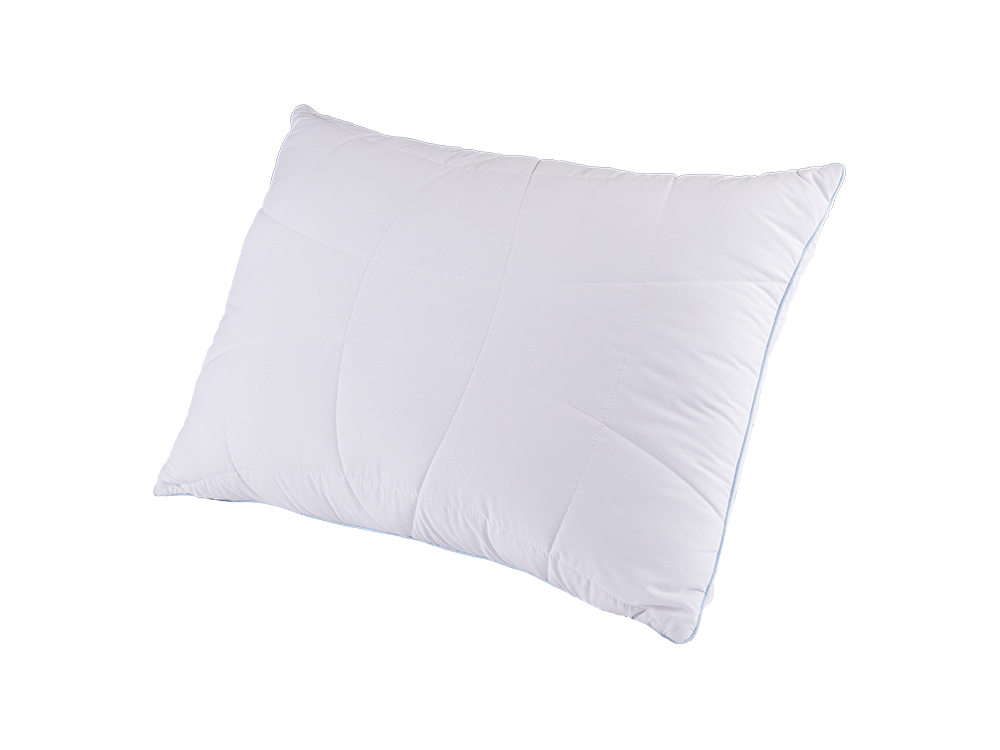
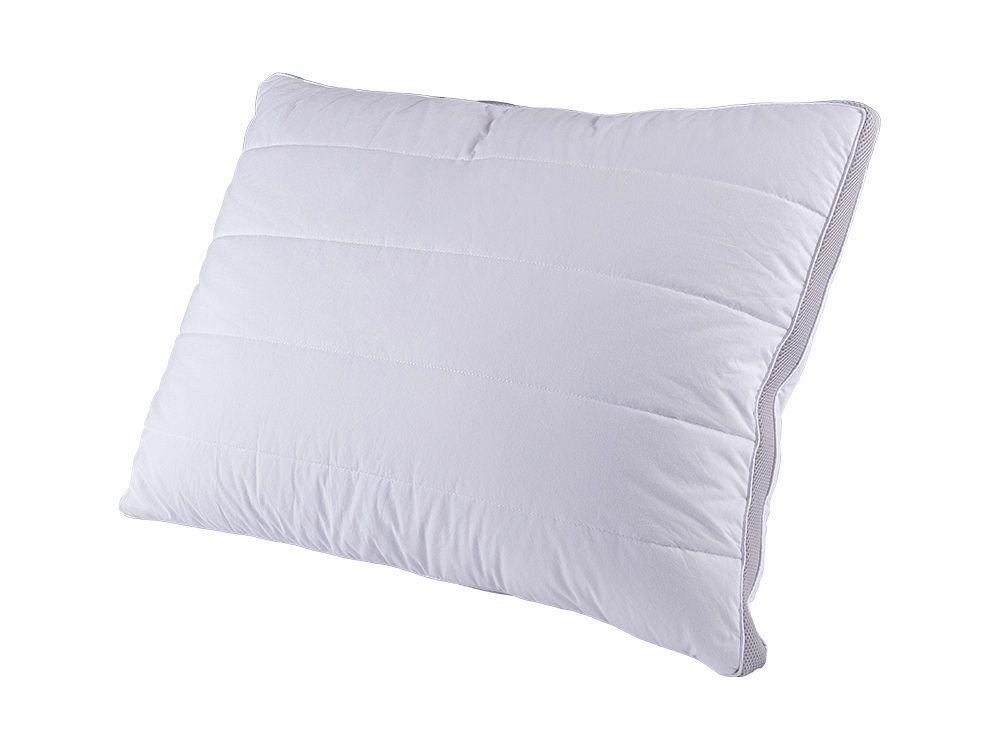
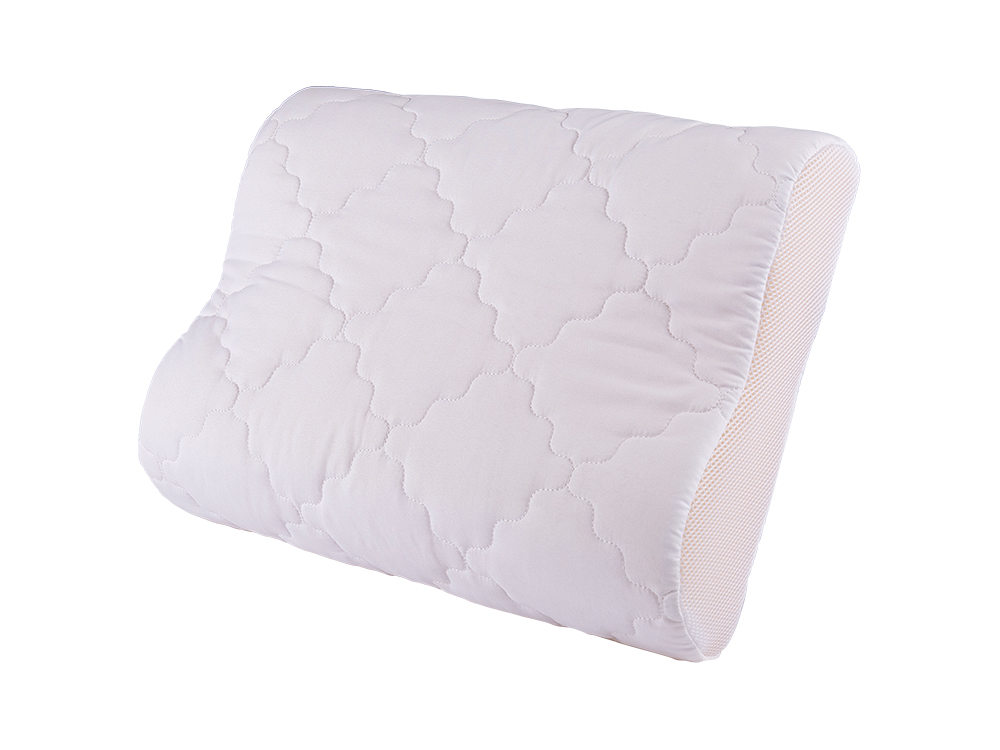
When sourcing raw materials, verifying the denier of the polyester staple fibre is essential. A 0.9 D (denier) microfibre feels drastically softer than a 1.5 D fibre. The smaller the denier, the finer the silk-like touch. This is how we engineer specific sensory profiles for branded hotel chains looking to standardize the “pillow menu” across a thousand rooms. For a deeper look at how polyester structures achieve softness, our polyester quilted high elastic pillow demonstrates the integration of softness with structural quilting.
The Ultimate Sleep Position Guide to Ultra Soft Pillows
Recommending a pillow without knowing the user’s sleep position is like prescribing glasses without a vision test. The gap between the head and the mattress must be minimized to protect the cervical spine. Stomach sleepers represent the highest demand for ultra soft pillows. When the face is turned to the side, a tall or firm pillow forces the neck into extreme rotation and extension, compressing the vertebrae.
A stomach sleeper needs a low-profile, ultra soft pillow (ILD 7–9) that compresses to a nearly flat state. This keeps the airway open and the spine aligned without twisting. Back sleepers have a slightly wider tolerance. They need the head to be cradled without thrusting the chin into the chest. An ILD of 10–12 allows gentle curvature of the neck to sink in while maintaining a baseline of support. Side sleepers pose a unique challenge for ultra soft pillows.
A side sleeper’s shoulder creates a significant distance from the mattress surface. A typical ultra soft down pillow will collapse instantly under this weight, leaving the neck angling downward. For side sleepers who insist on a plush sensation, we recommend an adjustable fill design using shredded memory foam. This allows the user to add or remove fill to create a custom loft that fills the shoulder gap while retaining the soft, malleable texture. In B2B contexts, offering a pillow with a zippered inner casing for fill adjustment drastically reduces return rates.
- Stomach Sleepers: Ultra-thin, microfibre or low-fill down (ILD 7-9). The goal is zero neck torque.
- Back Sleepers: Medium-soft down alternative (ILD 10-12). The goal is cervical cradle.
- Combination Sleepers: Adjustable shredded foam. The goal is malleable versatility.
- Side Sleepers: Gusseted design with a soft-cut memory foam core. The goal is elevated but plush support.
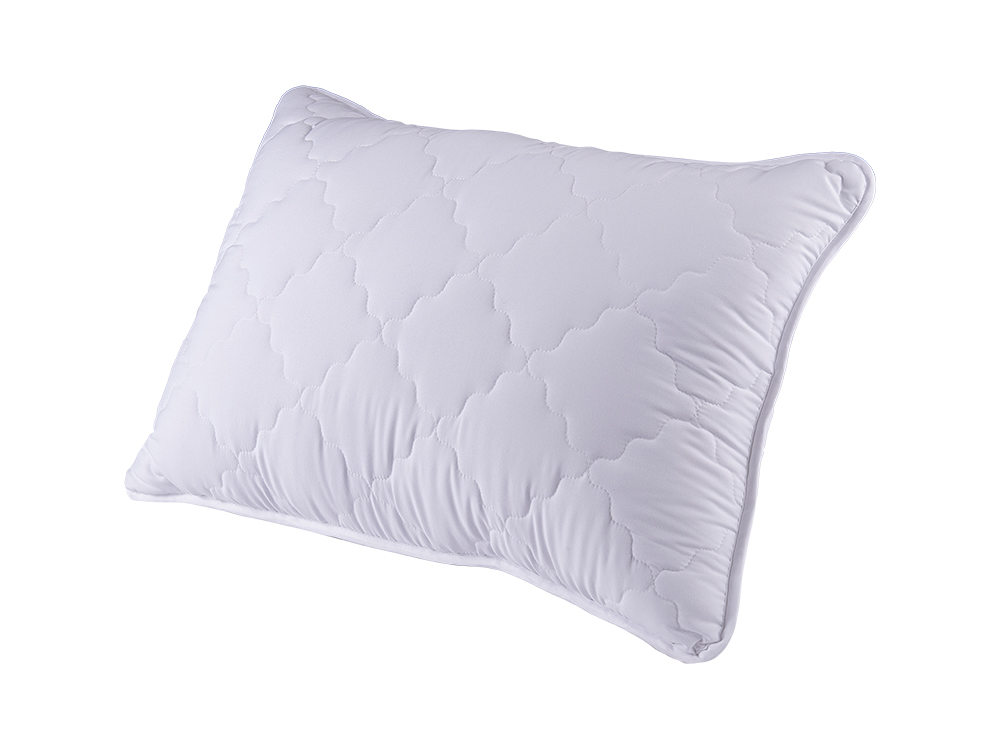
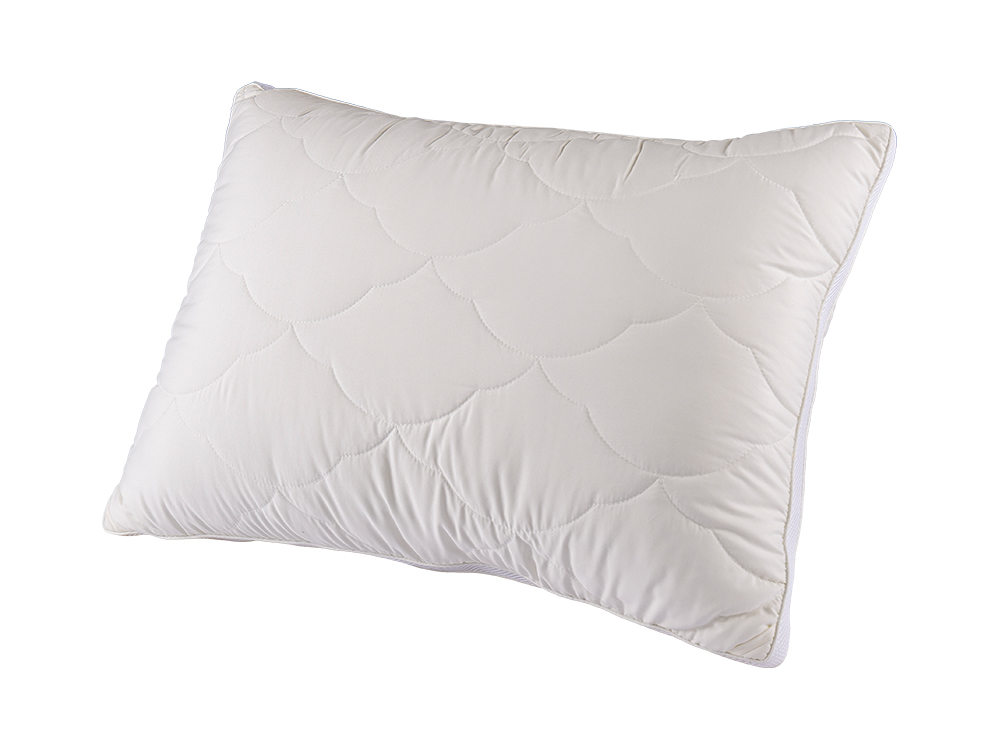
A common procurement mistake is ordering a single “medium” pillow for a hotel, which satisfies no one. The winning strategy is a dual-comfort approach: a purposefully short plush quilted pillow for stomach sleepers and a structured soft option for back sleepers.
Durability Benchmark: Which Ultra Soft Pillow Lasts the Longest?
Plush pillows die young under cheap construction. A pillow that flattens like a pancake after three months has lost its structural integrity, not just its fluff. We simulate a one-year usage cycle using a standardized roller compression test. The test applies 50 Newtons of vertical force across 5,000 cycles, representing an average of 8 hours of use per night for roughly 300 nights. The critical metric here is Loft Retention Rate (LRR) and ILD migration.
Natural goose down possesses the highest resilience. High-quality down clusters naturally interlock and reinflate with a quick fluff. A down pillow with an FP of 750 typically retains 92% of its original loft after accelerated testing, with its ILD migrating by less than 10%. However, this performance drops drastically if the cotton ticking shell lacks a down-proof weave, leading to fibre leakage.
Synthetic microfibres, specifically those treated with a siliconized finish, present a surprisingly strong durability profile. They retain about 85% loft. Because they are inherently less airy than down, their initial “drop” feels more pronounced, yet they stabilize quickly and stop degrading. The worst performer is a cheap, coarse polyester fill (3D or higher). This clumps and goes flat within weeks. Shredded memory foam maintains its ILD almost perfectly—nearly 95%—because the foam’s viscoelastic nature simply refuses to permanently crush, though it may stiffen slightly in cold environments. When procuring for a hotel or a high-traffic spa, prioritizing memory foam or high-denier siliconized polyester for pillows ensures a longer replacement cycle and lower operational costs.
| Material | Loft Retention (After 5k cycles) | ILD Shift (Change %) | Clumping Observed |
|---|---|---|---|
| Goose Down (750 FP) | 92% | +8% (softens slightly) | None |
| Siliconized Microfibre | 85% | +12% (moderate flattening) | Minimal |
| Shredded Memory Foam | 95% | +4% (stable) | None |
| Standard Polyester (Hollow) | 60% | +35% (significant flattening) | High |
The integrity of the shell also dictates longevity. A cotton pillow cover with a high thread count (300TC+) acts as a sufficient down-proof barrier while maintaining a soft hand feel, preventing fibre migration that leads to thinning.
B2B Sourcing Playbook for Ultra Soft Pillows
Retail and hospitality buyers face a fragmented supply chain, but the specifications of an ultra soft pillow can be standardized. Sourcing is not about finding the cheapest product; it is about identifying a manufacturing partner who controls the vertical integration of the fill production. When you buy a plush pillow for a hotel brand, you are buying a repeating sensory experience. The tolerance for variation is zero.
The initial filter should be the Minimum Order Quantity (MOQ) and the customization capabilities. A standard OEM agreement will bundle a custom GSM weight, a specific ILD target, and a unique fabric blend for the outer cover. We recommend requesting lab dips and compression reports during the sampling phase. Demand a specific fill recipe: for ultra-soft microfibre pillows targeting a 10 ILD, the spec sheet should read “0.9D high-siliconized polyester, 650GSM, loose-fill blown.” You don’t want a rolled batt fill for a soft pillow; batt fills (used in firmer quilting) restrict air flow and create rigidity.
Certification is the silent validator. For European and North American markets, OEKO-TEX Standard 100 is non-negotiable, confirming the absence of harmful substances. For eco-conscious brands, the Global Recycled Standard (GRS) is equally critical. A GRS-certified pillow filling made from recycled PET (rPET) flakes can achieve a silky softness identical to virgin polyester, but with a significantly better Life Cycle Assessment (LCA) score. Packaging compression is another tactical consideration. Vacuum-sealing an ultra soft pillow into a tightly rolled cylinder drastically cuts shipping volume, but it must recover fully within 24 hours. Our spec sheets mandate a 95% recovery rate within 4 hours of unboxing.
- MOQ Flexibility: Verify if the factory can handle 2,000 units for a pilot run and scale to 50,000 units monthly.
- Fill Customization: Request exact denier (e.g., 0.9D), GSM, and the ratio of gel fibre to standard fibre.
- Certifications: Secure the original copies of OEKO-TEX Standard 100 (Annex 6) and GRS scope certificates.
- Packaging: Specify vacuum compression ratio and final presentation box dimensions.
- Logistics: Confirm FOB port handling and container load capacity for plush, non-compressed units.
How to Preserve Cloud-Like Fluffiness
Buying an ultra soft pillow is half the cost; maintaining it is the other half. The death of fluffiness is a combination of moisture, body oils, and mechanical stress. Even the finest down clusters collapse when coated in sebum. The first line of defence is a removable, zippered protector that acts as a moisture barrier without crinkling. For B2B clients, providing a customized care label drastically reduces shrinkage and lumping complaints from end-users. Washing instructions must be strict: cold water (30°C), mild liquid detergent, and absolutely no fabric softener.
Fabric softener coats the microfibre strands or down clusters with a waxy film. This film increases surface friction and destroys the inter-fibre air pockets that define softness. A pillow washed with softener feels slimy when wet and clumpy when dry. For synthetic fills, a rinse cycle with white vinegar works wonders to remove detergent buildup without damaging the fibre structure. The drying process is equally unforgiving. Air drying an ultra soft synthetic pillow will cause the fibres to mat together permanently. You need a tumble dryer on low heat with wool dryer balls.
The dryer balls physically beat the pillow, mimicking the manual fluffing process and separating the fill. For memory foam options, never submerge the shredded core in water unless it is a very quick hand wash; otherwise, the foam retains water for days, breeding bacteria. Instead, spot-clean the shell and sun the core for a few hours to volatilize any trapped VOCs (Volatile Organic Compounds) and moisture. Rotating the pillow end-over-end weekly also prevents localized compaction, a small habit that extends the usable life of a high-end polyurethane or down pillow by months.


 +86-573-88798028