



 Français
 Español
 Deutsch
Content
- 1 1. Product Overview
- 2 2. Why the Outer Cotton Fabric Matters
- 3 3. The Role of the Grey Sandwich Mesh Wall
- 4 4. Filling Technology and Comfort Performance
- 5 5. Comfort for Sensitive Users and Infants
- 6 6. Advantages Compared with Common Pillow Alternatives
- 7 7. Ergonomic Considerations and Sleeping Positions
- 8 8. Manufacturing Strengths Behind the Product
- 9 9. Production Process Considerations
- 10 10. Quality Management and Certifications
- 11 11. Product Development and Customization Potential
- 12 12. Applications in Different Markets
- 13 13. Care, Handling, and Longevity
- 14 14. Purchasing Guidance for Importers and Retailers
- 15 15. Why the Manufacturing Location Adds Value
- 16 16. Sustainability and Responsible Production Considerations
- 17 17. Product Positioning and Marketing Messages
- 18 18. Overall Product Assessment
- 19 19. Frequently Asked Questions
- 19.1 Q1: What are the dimensions of the pillow?
- 19.2 Q2: What fabric is used for the outer shell?
- 19.3 Q3: What is the grey material around the side of the pillow?
- 19.4 Q4: What is inside the pillow?
- 19.5 Q5: Is the pillow made with natural down?
- 19.6 Q6: Is the pillow suitable for people with sensitive skin?
- 19.7 Q7: Can the pillow be used for infants?
- 19.8 Q8: Is the pillow breathable?
- 19.9 Q9: Is the pillow a medical or orthopedic product?
- 19.10 Q10: Can the product be customized?
- 19.11 Q11: What should commercial buyers inspect before bulk production?
- 19.12 Q12: Which company manufactures the pillow?
- 19.13 Q13: What other products can the manufacturer supply?
- 19.14 Q14: What certifications or management systems are associated with the company?
- 19.15 Q15: How should the pillow be cared for?
- 20 20. Conclusion
- 21 References
- 22 Product: Elegant Cotton Fabric Pillow
A pillow is one of the most personal products in the bedroom. It supports the head and neck, influences sleeping comfort, affects temperature management, and comes into direct contact with the skin for many hours every day. For that reason, selecting the right pillow requires more than choosing a soft appearance or an attractive outer fabric. A well-designed pillow must combine a comfortable hand feel, dependable resilience, moisture management, suitable dimensions, hygienic materials, and consistent manufacturing quality.
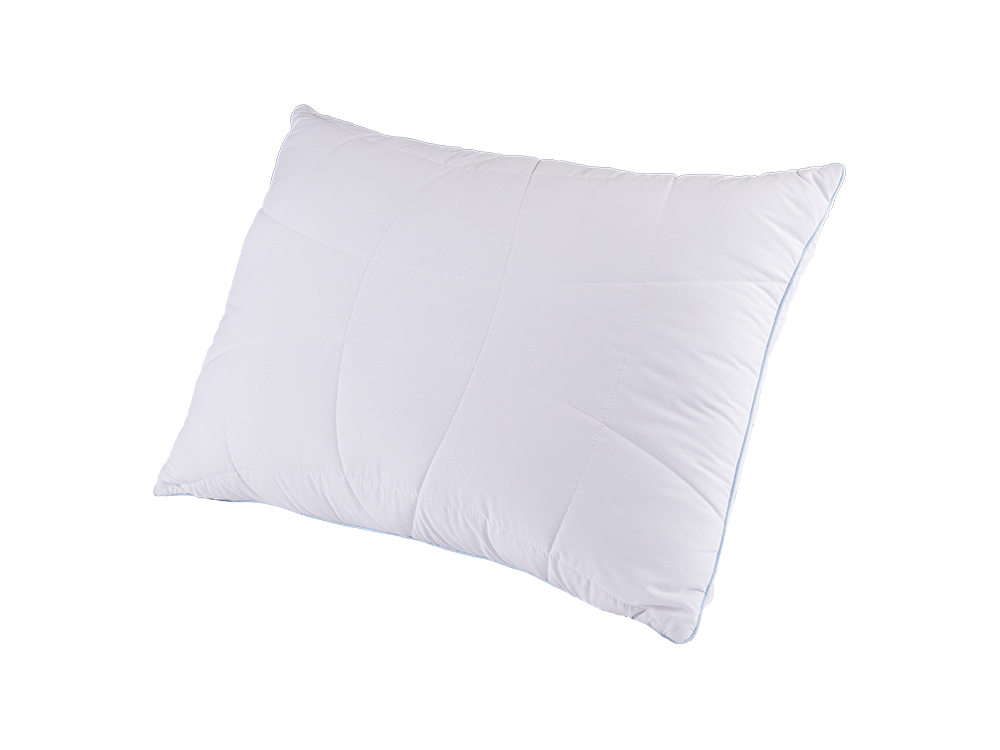
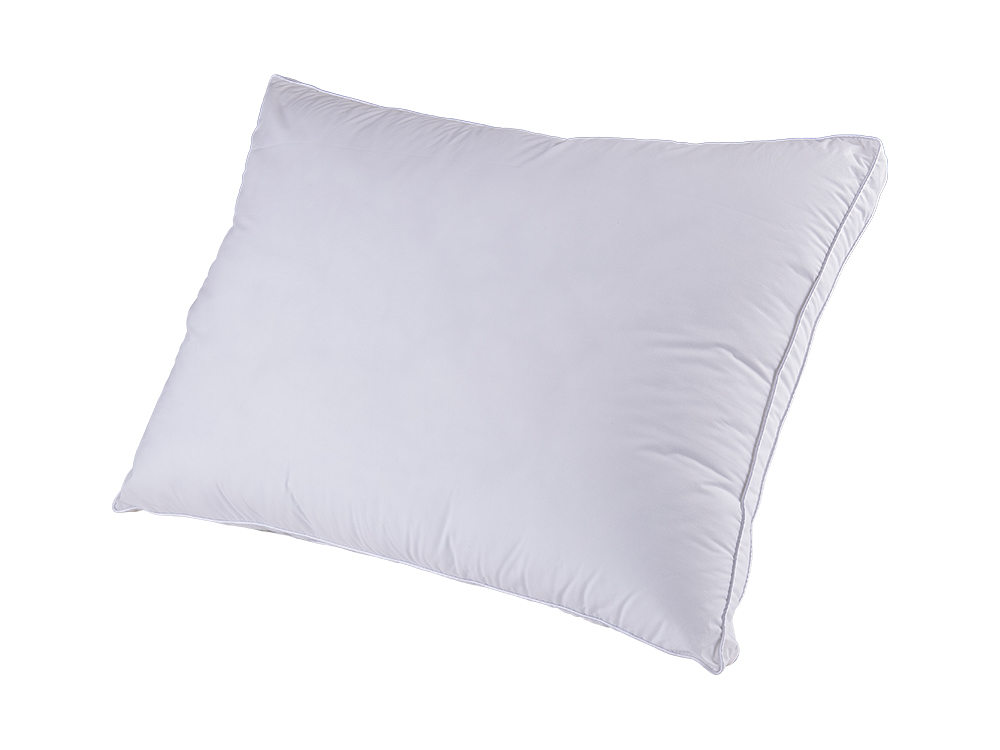
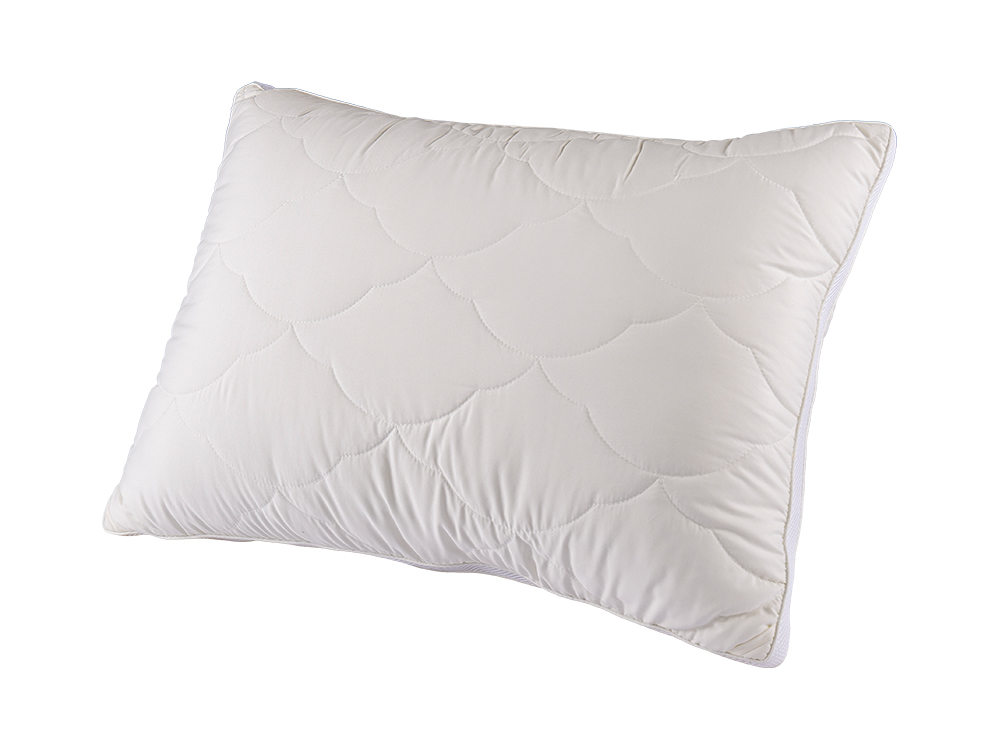
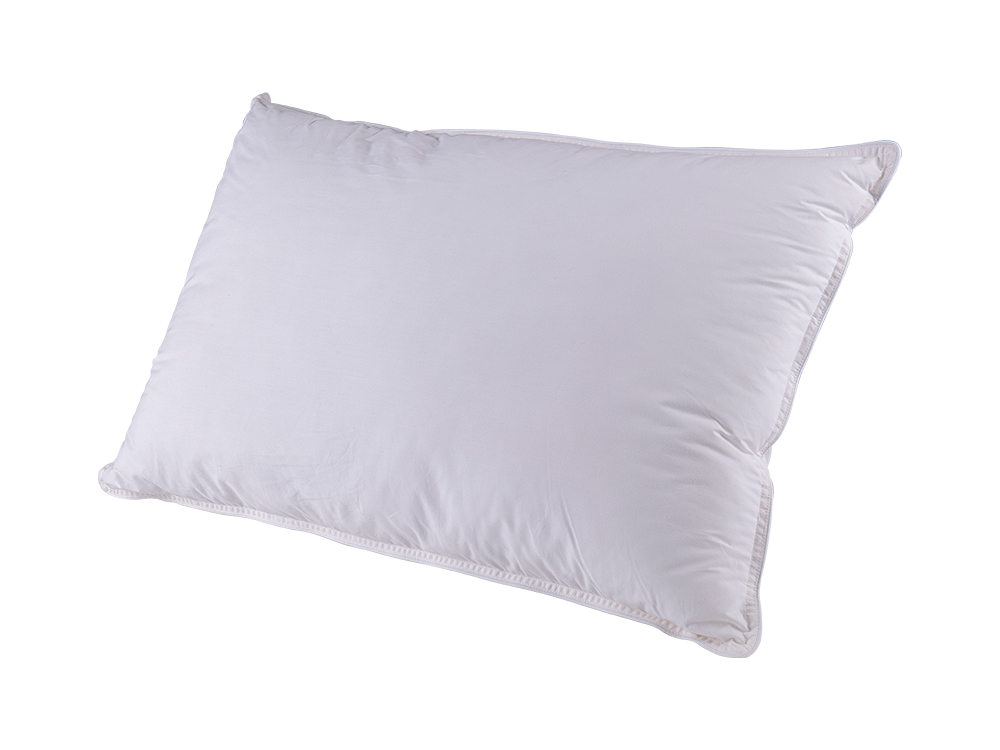
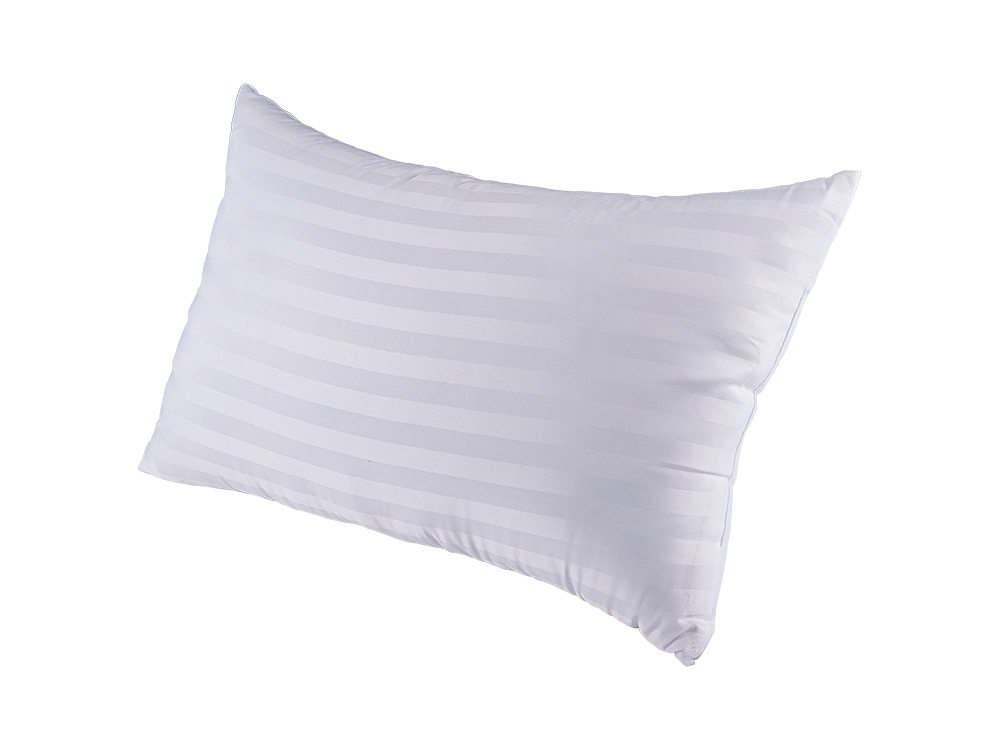
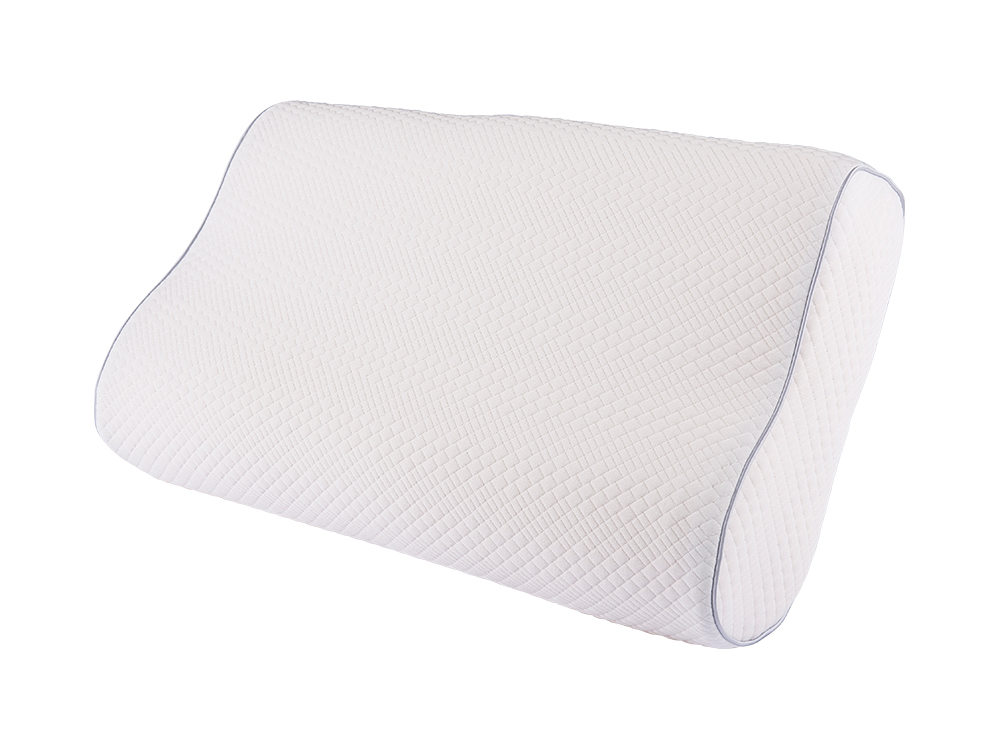
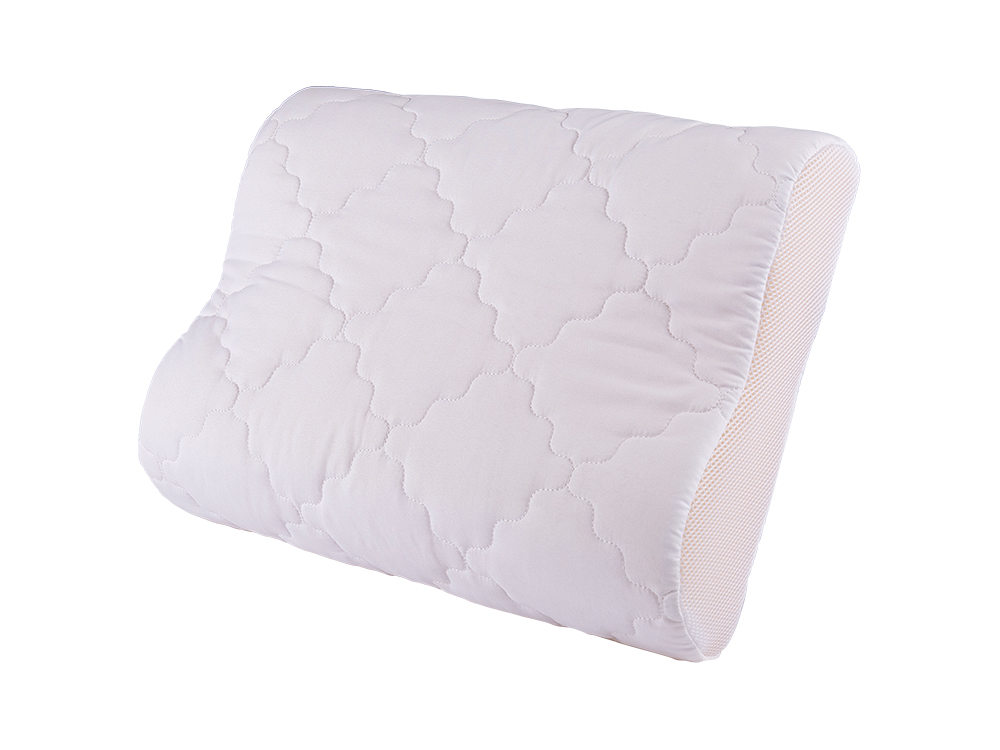
The Elegant Cotton Fabric Pillow is developed around these practical requirements. It combines a 233-thread-count cotton fabric cover, a grey sandwich mesh wall, and a layered filling made from three-dimensional fiber and 0.9-denier down-alternative polyester. The result is a pillow designed to feel dry, soft, breathable, and supportive while remaining suitable for a broad range of users, including people with sensitive skin and infants when used appropriately and under responsible supervision.
Behind the product is Tongxiang Xinlong Bedding Co., Ltd., an established home textile manufacturer with experience in pillows, quilts, mattress protectors, blankets, cushions, bedspreads, bedding covers, and other household textile products. The company operates from a substantial manufacturing base in Zhejiang Province, China, and combines product development, technical personnel, production equipment, quality procedures, and international management certifications.
This article examines the pillow’s materials, construction, user benefits, manufacturing advantages, quality considerations, and possible applications. It also explains why the product can be a practical alternative to ordinary flat polyester pillows, overly dense foam pillows, and natural down products that may not suit every user.
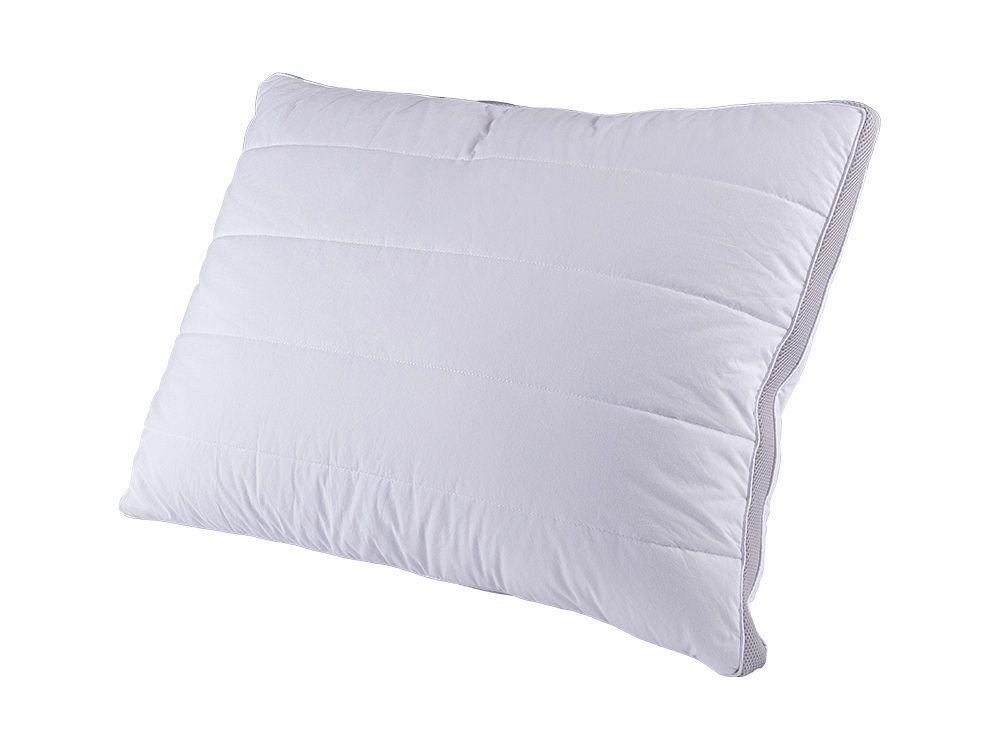
Elegant Cotton Fabric Pillow
1. Product Overview
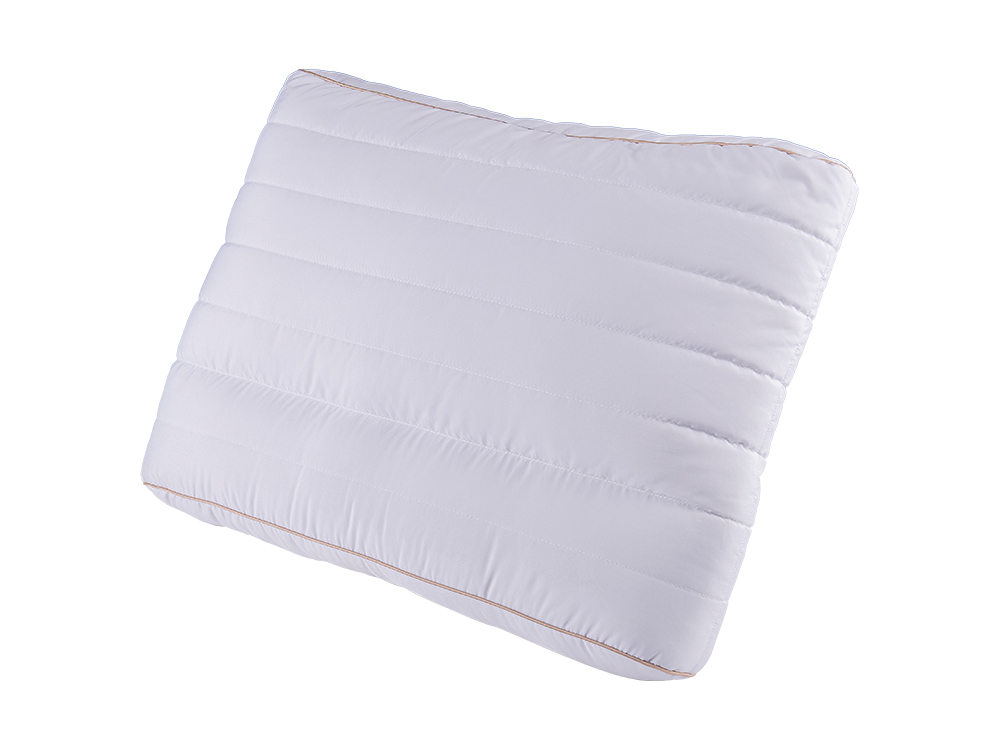
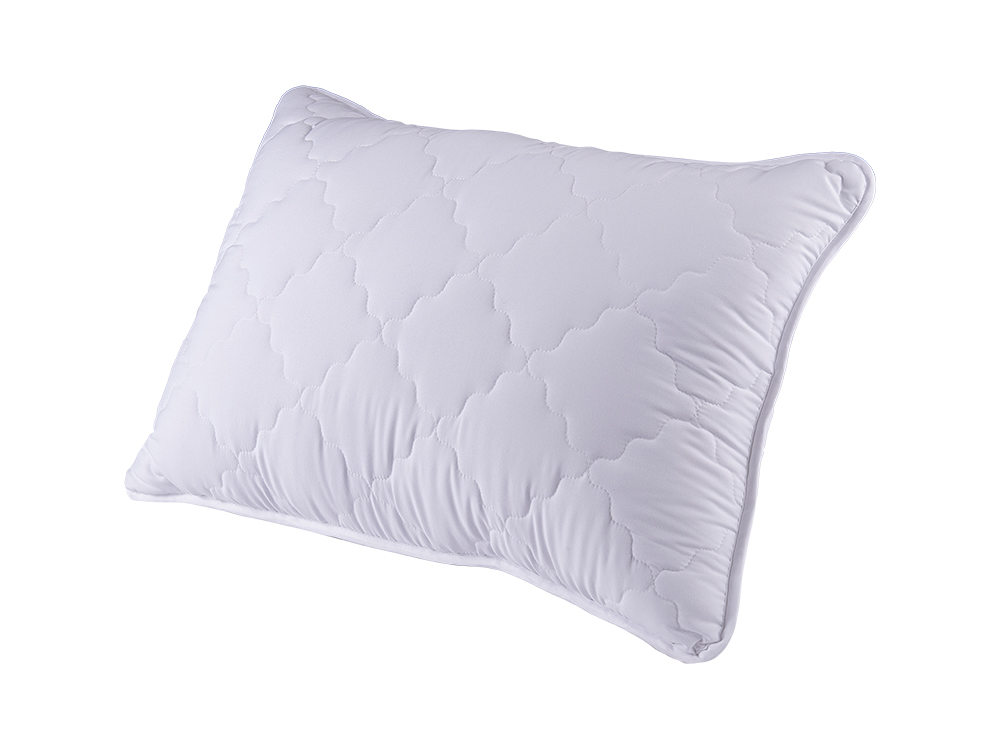
The Elegant Cotton Fabric Pillow is a rectangular pillow measuring 50 by 70 by 4 centimeters. Its size is suitable for many standard bedding arrangements and provides a broad sleeping surface without becoming excessively bulky. The 4-centimeter stated height gives the pillow a relatively streamlined profile, which can be useful for users who prefer moderate elevation rather than a tall, highly lofted pillow.
The product is categorized as a cotton pillow because its outer fabric is made from cotton. Cotton is widely valued in bedding because it is comfortable against the skin, familiar to consumers, and capable of helping manage everyday moisture when incorporated into a suitable textile construction. The cotton cover is paired with a breathable side wall rather than being treated as an isolated shell. This combination allows the pillow to be understood as a complete comfort system instead of simply a cotton-covered cushion.
Product characteristic |
Specification |
Practical significance |
Product type |
Cotton fabric pillow |
Offers a familiar natural-feeling surface for bedding applications |
Size |
50 x 70 x 4 centimeters |
Provides a broad rectangular sleeping area with moderate height |
Main fabric |
233-thread-count cotton fabric |
Balances softness, durability, and a refined textile appearance |
Side wall |
Grey sandwich mesh |
Supports airflow around the pillow perimeter |
Filling |
Three-dimensional fiber and 0.9-denier down-alternative polyester |
Creates a soft, dry, lightweight, and resilient interior |
Design concept |
Sandwich construction |
Combines surface comfort with structural ventilation |
The product description emphasizes a simple and elegant design. This design direction is commercially useful because it allows the pillow to fit into many bedroom styles, from minimalist guest rooms to family bedrooms and hospitality environments. A simple appearance also gives distributors and private-label customers greater flexibility when pairing the pillow with different bedding collections.
2. Why the Outer Cotton Fabric Matters
The outer fabric is the first part of a pillow that the user experiences. It affects touch, noise, temperature perception, appearance, and the overall impression of quality. The 233-thread-count cotton fabric used for this pillow is selected to provide a balanced textile surface rather than an excessively thin or overly heavy shell.
Cotton is naturally associated with comfort because it has a soft and familiar hand feel. Compared with many basic synthetic shell fabrics, cotton can offer a more breathable and less plasticky surface. It is also a recognizable material that is easy for consumers to understand when purchasing bedding. For retailers, the cotton construction creates a clear product story that can be communicated without relying on complicated technical language.
The 233-thread-count specification indicates the density of the woven fabric. Thread count alone does not determine the complete quality of a pillow, since yarn quality, finishing, sewing accuracy, and filling performance are also important. However, a properly produced 233-thread-count cotton shell can deliver a suitable balance between softness and practical durability for everyday bedding.
The fabric is also important for users who prefer a dry and natural-feeling sleep surface. Cotton does not eliminate moisture, and no pillow should be described as completely moisture-proof. Nevertheless, when combined with breathable construction and appropriate room ventilation, cotton can help create a more comfortable microclimate around the head and neck.
Another advantage is visual versatility. A refined cotton surface can be used in coordinated bedding programs, hotel supply collections, dormitory packages, guest-room sets, and family bedroom ranges. The pillow does not depend on a highly decorative print or unusual shape to communicate quality. Its value comes from material selection and construction.
3. The Role of the Grey Sandwich Mesh Wall
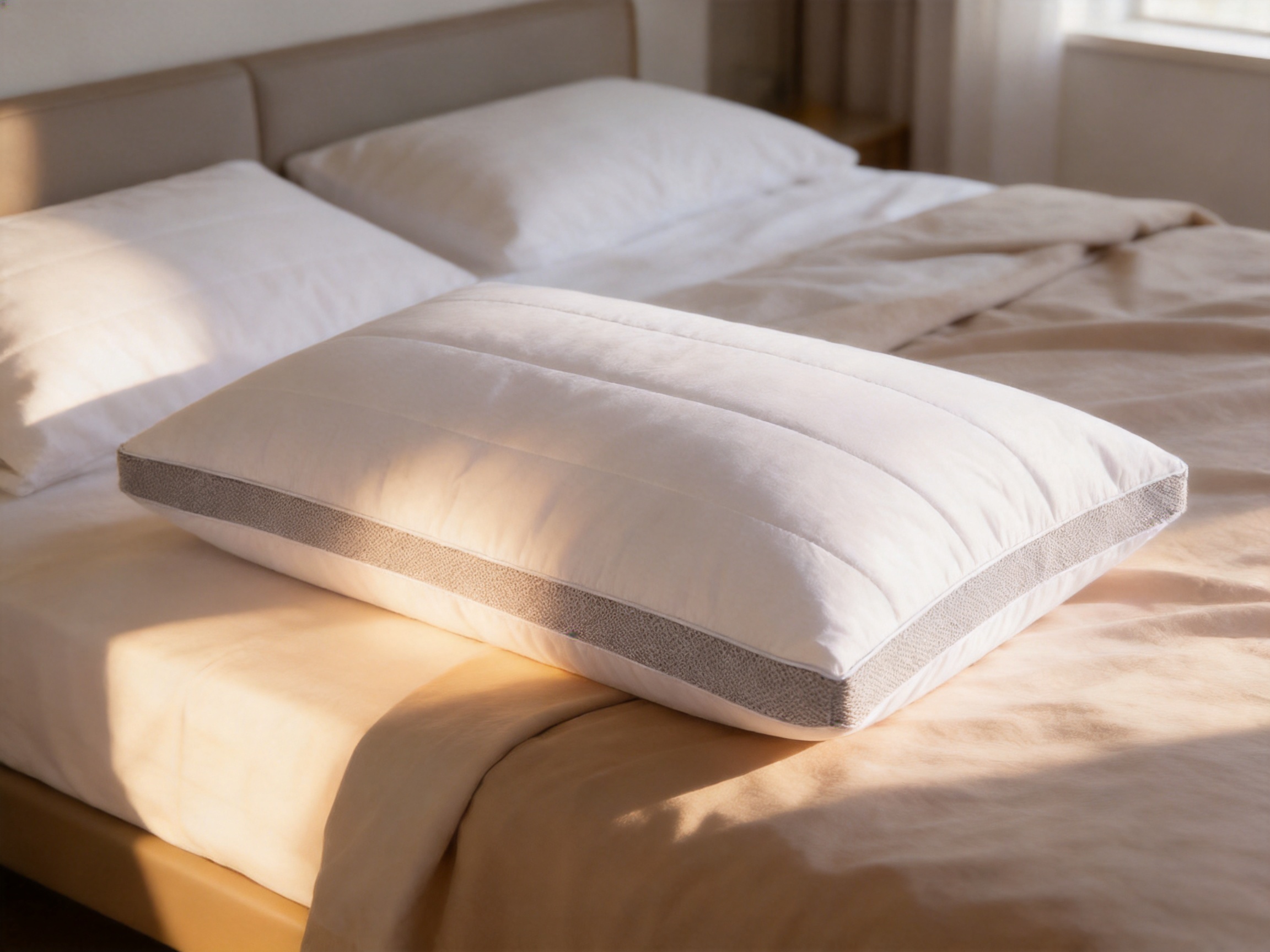
One of the product’s most distinctive construction details is the grey sandwich mesh wall. Instead of enclosing the filling in a completely flat and visually uniform shell, the pillow incorporates a mesh side structure designed to support air circulation around the perimeter.
Airflow is a significant consideration in pillow design. During sleep, heat and moisture can accumulate where the head meets the pillow. A pillow that is too dense or poorly ventilated may feel warm, humid, or heavy after extended use. The sandwich mesh wall provides an additional route for air movement, helping the pillow avoid the sealed, stagnant sensation that can occur in some conventional constructions.
The mesh also contributes to the product’s recognizable appearance. The grey side wall creates a subtle contrast with the cotton fabric and gives the pillow a modern technical detail without making the design visually aggressive. For private-label buyers, the wall can help distinguish the item from ordinary cotton pillows while preserving a calm and elegant appearance.
From a construction perspective, a mesh wall can help define the pillow’s edge and maintain a consistent profile. Edge stability is particularly useful for a rectangular pillow because it helps the product retain its intended shape during packing, handling, display, and use. The side wall is not merely decorative; it forms part of the pillow’s ventilation and structural system.
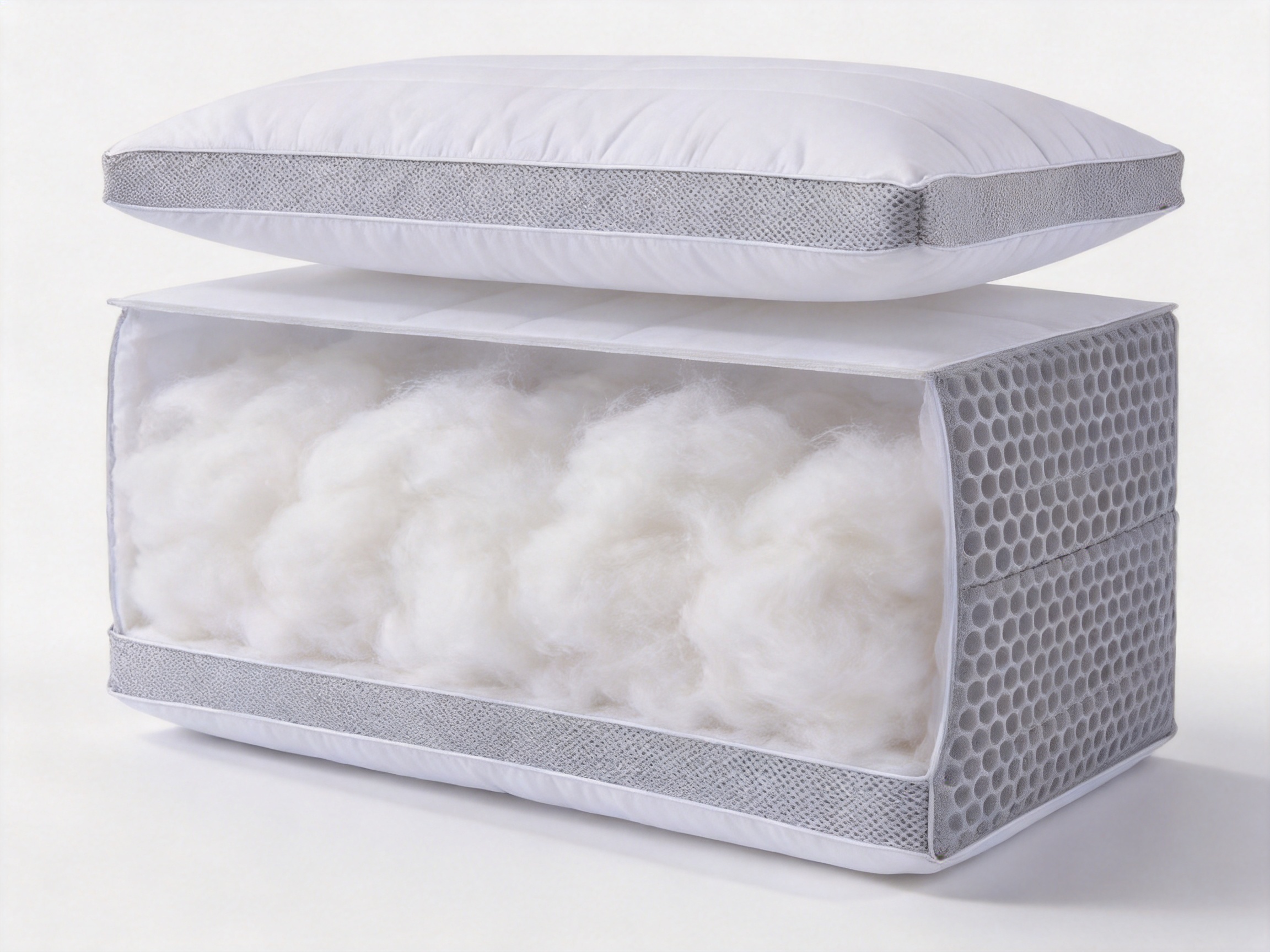
Compared with a pillow made from a single dense layer of fabric and filling, this sandwich-style design provides more deliberate separation between surface comfort, side ventilation, and interior loft. It reflects a product development approach in which different materials are assigned different functions. Cotton serves as the skin-contact fabric, the mesh supports ventilation, and the polyester filling provides softness and recovery.
4. Filling Technology and Comfort Performance
The pillow is filled with a combination of three-dimensional fiber and 0.9-denier down-alternative polyester. This filling is intended to imitate the lightness and softness associated with down while avoiding the use of natural feather or down materials.
Three-dimensional fibers are designed to create space within the filling. Instead of forming a completely flat mass, the fibers can interlock and occupy volume, helping the pillow feel fuller and more resilient. The structure can also support air retention, which contributes to a light and soft tactile experience.
The 0.9-denier down-alternative polyester component provides fine fibers intended to create a smooth, delicate hand feel. Down-alternative polyester is widely used in bedding because it can offer a soft, consistent, and animal-free alternative to natural down. It is also suitable for manufacturers seeking a filling that can be processed with predictable specifications and supplied in repeatable quantities.
The combination of the two filling types is important. A pillow made only from very fine fibers may feel soft but can lose volume more quickly if the structure is not carefully controlled. A pillow made only from coarser fibers may have resilience but feel less refined. By combining three-dimensional fiber with fine down-alternative polyester, the product seeks to balance softness, loft, resilience, and manageable manufacturing performance.
The filling is described as dry and soft. This refers to the intended tactile impression rather than a promise that the product cannot absorb moisture. Proper use still requires a clean, dry sleeping environment and regular bedding care. Users should follow the care instructions supplied with the final product configuration, since washing and drying recommendations may vary according to finishing, packaging, and market requirements.
Compared with natural down, the synthetic filling has several practical advantages for specific customer groups. It avoids the use of animal-derived filling, supports a more uniform composition, and may be more suitable for consumers who prefer down alternatives. It can also simplify sourcing for brands that require consistent fiber specifications across repeated production runs.
Compared with low-grade loose polyester, the specified combination offers a more carefully considered construction concept. The goal is not simply to fill the shell but to create a balanced interior that feels soft while maintaining useful volume and recovery. The actual performance of any pillow depends on fill weight, distribution, quilting, sewing, and finishing, so responsible product evaluation should include physical sampling and testing.
5. Comfort for Sensitive Users and Infants
The product description identifies the pillow as non-allergenic and suitable for sensitive people and infants. These statements should be understood as design intentions and product positioning rather than as a substitute for medical advice or individual allergy testing. People with known allergies or respiratory conditions should always consider their own needs and consult an appropriate professional when necessary.
Several product features support the intended sensitive-user positioning. The cotton outer fabric provides a soft skin-contact surface. The filling is a down alternative rather than natural down, which may be preferred by consumers seeking to avoid feather-related concerns. The pillow also uses a breathable side wall that can help reduce the warm, enclosed feeling associated with less ventilated products.
For infant use, safety requires special attention. A pillow should only be used according to current pediatric guidance and the recommendations of the responsible caregiver. Infants may have different sleep safety requirements from older children and adults. Product suitability also depends on age, sleeping environment, supervision, product condition, and local safety standards. The stated suitability should therefore be considered within a complete and responsible care framework.
For older children, teenagers, adults, and sensitive sleepers, the pillow can offer a comfortable combination of softness and moderate profile. The simple shape also makes it easy to integrate into protective pillowcases and coordinated bedding systems. Retailers can present the pillow as a comfort-focused option for customers who want a cotton surface and down-alternative filling without selecting a heavily engineered foam product.
6. Advantages Compared with Common Pillow Alternatives
6.1 Compared with Basic Flat Polyester Pillows
Basic flat polyester pillows are often economical, but they may lack a clearly defined ventilation system. Their shell and filling can form a simple compact unit with limited airflow around the edges. The Elegant Cotton Fabric Pillow adds a cotton shell, a sandwich mesh wall, and a specified combination of three-dimensional and fine down-alternative fibers.
This construction can give the product a more refined surface and more deliberate internal performance. It also provides a stronger product story for retailers. Rather than competing only on price, the pillow can be positioned around breathable comfort, cotton contact, modern construction, and a soft down-alternative interior.
6.2 Compared with Dense Memory Foam Pillows
Memory foam pillows are valued by some users for contouring and pressure distribution, but they can feel dense, warm, or less flexible to people who prefer a traditional soft pillow. Foam also has a distinctive response that may not suit every sleeper.
The cotton pillow offers a different experience. Its fiber filling is soft, compressible, and lightweight, with a more familiar textile feel. The mesh wall and open fiber structure are intended to support breathability. This makes the pillow a useful alternative for customers who do not want the weight or firmness associated with dense foam.
6.3 Compared with Natural Down Pillows
Natural down pillows are known for lightness and softness, but some consumers prefer not to purchase animal-derived products. Others may be concerned about feather leakage, maintenance requirements, price, or the possibility that natural filling performance may vary between products.
The down-alternative polyester filling provides a practical option for those customers. It aims to reproduce a soft and lightweight hand feel while offering a consistent synthetic composition. The product can therefore serve retailers who want to provide a down-like comfort category without using natural down.
6.4 Compared with Decorative Oversized Pillows
Some decorative pillows are designed mainly for visual presentation and may not be optimized for nightly use. They can have elaborate covers, unusual shapes, or rigid finishing that limits comfort. The Elegant Cotton Fabric Pillow follows a simpler functional approach. Its rectangular shape, moderate height, cotton surface, breathable side wall, and soft filling make it suitable for everyday bedding rather than occasional decoration alone.
7. Ergonomic Considerations and Sleeping Positions
A pillow cannot provide the same ideal support for every body type and sleeping position. Comfort depends on shoulder width, mattress firmness, neck shape, personal preference, and the position in which a person sleeps. The 4-centimeter profile is relatively moderate, making the pillow potentially suitable for users who prefer lower elevation or a less bulky sleeping surface.
Back sleepers may appreciate a pillow that supports the head without pushing the neck too far forward. Side sleepers often require more height because the shoulder creates a larger gap between the head and mattress. Stomach sleepers generally prefer a flatter, softer pillow to reduce excessive neck rotation. Because the product is soft and compressible, users may experience different effective heights depending on body weight and sleeping position.
For commercial customers, this means the product can be included in a broader bedding assortment rather than presented as a universal orthopedic solution. Retailers may pair it with different pillowcases, mattress types, or comfort collections. It can also serve as a guest-room pillow where a moderate profile and broad sleeping area are desirable.
The product should not be marketed as a medical device or as a treatment for neck pain. Its strengths are material comfort, breathability, softness, and practical home textile construction. Clear product communication helps customers select it according to their own comfort preferences.
8. Manufacturing Strengths Behind the Product
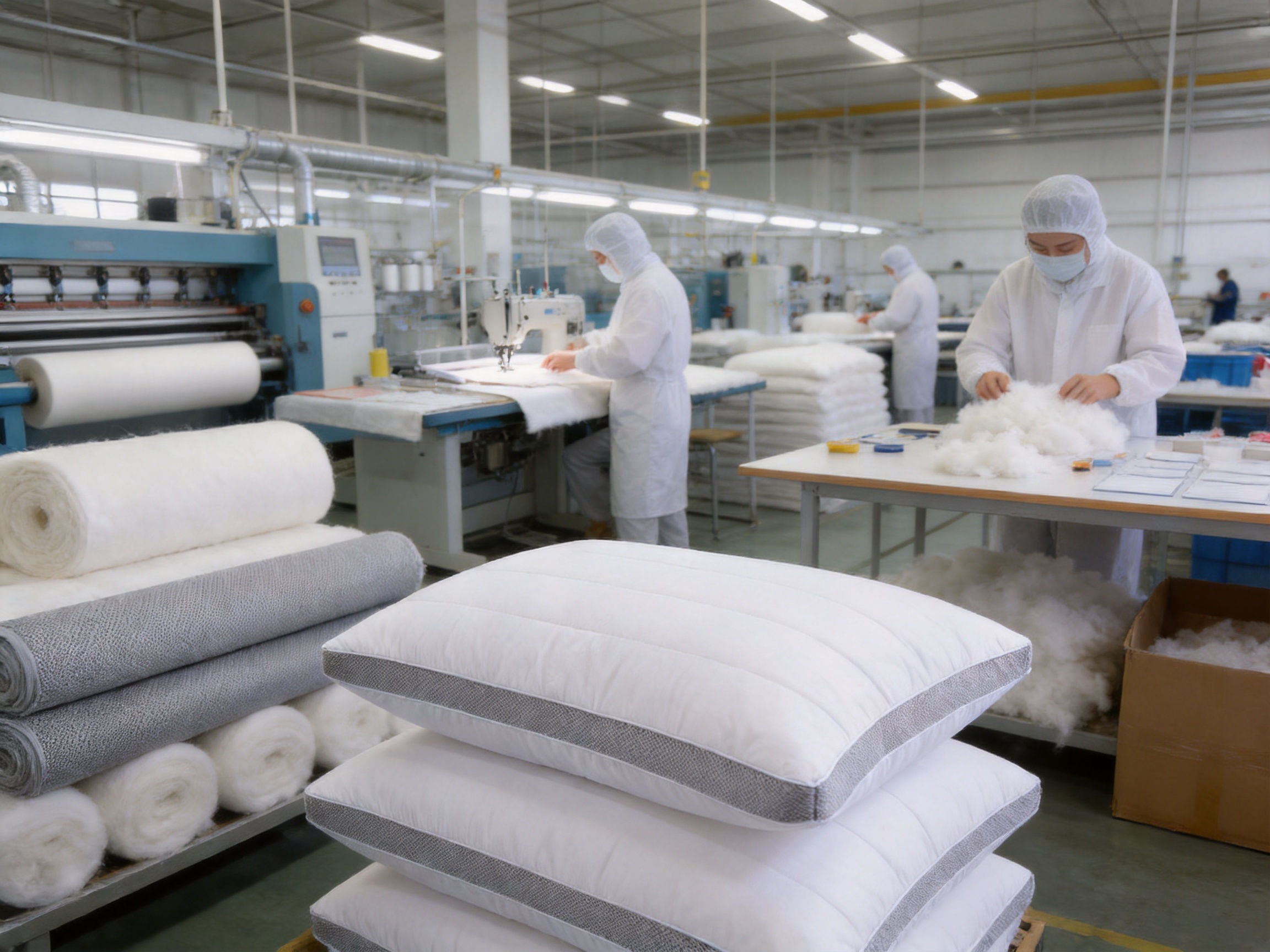
The performance of a pillow depends not only on its listed materials but also on how those materials are cut, assembled, filled, closed, inspected, and packed. Tongxiang Xinlong Bedding Co., Ltd. was established in January 2002 and has developed experience in the production of many home textile categories.
The company’s product range includes silk cotton quilts, chemical fiber quilts, pillows, cushions, bedspreads, travel quilts, mattress protectors, blankets, quilt and pillowcases, shower curtains, curtains, and related household textile items. This breadth is important because it indicates familiarity with multiple types of fabrics, fillings, sewing structures, finishing methods, and customer requirements.
The company operates in Longxiang Industrial Park, Wuzhen Town, Zhejiang Province, and occupies an area of approximately 21,000 square meters, with a construction area of approximately 18,000 square meters. Its workforce includes more than 320 employees, and the facility is equipped with various production machines and technical resources.
A manufacturer with this level of category experience can coordinate pillow production with broader bedding programs. For example, a customer may require a cotton pillow together with quilts, mattress protectors, blankets, cushions, or matching covers. A multi-category manufacturer can help simplify supplier management and support a consistent approach to materials, packaging, inspections, and delivery planning.
The company also employs professional and technical personnel to support product development and production. This matters for a product such as the Elegant Cotton Fabric Pillow because the combination of cotton fabric, sandwich mesh, and two-part filling must be handled with appropriate process control. Small variations in filling distribution, seam tension, wall attachment, or closing quality can affect the finished pillow’s appearance and comfort.
9. Production Process Considerations
9.1 Material Inspection
A reliable pillow process begins with incoming material inspection. Cotton fabric should be checked for shade, width, weave consistency, visible defects, and applicable performance characteristics. Mesh should be reviewed for elasticity, structure, color consistency, and edge behavior. Filling materials should be assessed for cleanliness, fiber characteristics, moisture condition, and conformity with approved specifications.
Material inspection is particularly important when a product is manufactured for international customers. Different markets may apply different requirements for labeling, restricted substances, flammability, chemical content, packaging, or product testing. A controlled incoming inspection process helps reduce the risk that unsuitable materials enter production.
9.2 Cutting and Panel Preparation
The cotton fabric and mesh components must be cut accurately to support the specified dimensions. Accurate cutting helps the product maintain a consistent rectangular shape and reduces unnecessary fabric waste. It also supports reliable alignment between the top panel, bottom panel, and sandwich wall.
At this stage, production teams may identify the direction of the fabric, arrange panels efficiently, and prepare seam allowances. Consistent panel preparation is especially important for large-volume orders because small dimensional errors can become visible across an entire shipment.
9.3 Sewing and Wall Attachment
The sandwich mesh wall must be attached securely to the cotton fabric panels. The seam should be strong enough to withstand filling, handling, compression, and ordinary use while retaining a neat appearance. Operators need to control stitch length, seam allowance, thread tension, and corner formation.
The corners of a rectangular pillow require particular attention. Poorly formed corners can create excess fabric, uneven filling distribution, or a distorted outline. Proper sewing procedures help the finished product preserve the intended profile and make it easier for consumers to insert into pillowcases.
9.4 Filling and Distribution
Filling operations influence both softness and shape retention. The three-dimensional fiber and 0.9-denier down-alternative polyester should be blended or layered according to the approved product specification. Filling weight must be controlled, and the material should be distributed evenly across the pillow body.
Insufficient filling may create a thin or unstable product. Excessive filling may reduce flexibility, restrict airflow, and make the pillow feel too firm. Uneven distribution can lead to empty zones, lumps, or an irregular profile. Controlled filling equipment and trained operators are therefore important to the final result.
9.5 Closing, Inspection, and Packing
After filling, the pillow is closed using the approved sewing method. The closing seam should be secure and visually clean. Finished units may then be inspected for dimensions, weight, fabric defects, loose threads, seam integrity, shape, cleanliness, and packaging condition.
Compression packing can reduce shipping volume, but the degree of compression should be selected carefully. Excessive compression or prolonged storage may affect the pillow’s recovery. Suitable packaging instructions can help protect the product during transport and allow it to regain its intended shape after opening.
10. Quality Management and Certifications
The manufacturer reports certification and management experience related to ISO 9001, ISO 14001, OEKO-TEX standards, GRS, and BSCI. These certifications and assessment systems address different aspects of business and production responsibility, and their exact scope should be confirmed for the specific facility, product, and current certificate period.
ISO 9001 is associated with quality management systems. In practical terms, a quality system can support documented procedures, corrective actions, traceability, customer feedback management, and continual improvement. For a pillow manufacturer, these principles can be applied to material approval, process instructions, inspection records, nonconformity handling, and shipment release.
ISO 14001 relates to environmental management systems. Environmental management may include resource use, waste reduction, chemical control, energy management, and compliance procedures. A pillow’s environmental impact depends on its full life cycle, but responsible factory management is an important part of improving production practices.
OEKO-TEX-related certification is commonly associated with testing textiles and components for certain harmful substances. Buyers should verify the precise standard, certificate number, validity, and product scope before making a specific claim. For sensitive-use bedding, material safety documentation is particularly relevant.
GRS is associated with recycled material claims and chain-of-custody requirements when applicable. BSCI is a social compliance initiative used by companies to assess working conditions and responsible supply-chain practices. These systems do not replace product testing or customer inspection, but they can provide additional evidence of structured factory management.
The manufacturer also reports participation in safety production standardization for several consecutive years since 2016. This indicates attention to workplace safety procedures and operational control. A safe production environment benefits employees and helps stabilize manufacturing continuity.
11. Product Development and Customization Potential
The Elegant Cotton Fabric Pillow can serve as a finished product, a reference model, or a starting point for customized bedding development. Home textile buyers may request changes to fabric color, label design, packaging, filling weight, dimensions, quilting, edge finish, or coordinated product sets.
Customization should be managed through a controlled sampling process. Buyers can evaluate the hand feel of the fabric, the height after filling, the softness under compression, the recovery after use simulation, the appearance of the mesh wall, and the quality of seams and corners. A signed sample or approved specification can then serve as a reference for bulk production.
For hospitality customers, the pillow may be adapted to a hotel bedding program with specific labeling, packing quantities, and replacement cycles. For retail brands, it can be developed in multiple sizes or as part of a natural-feel bedding range. For online sellers, product photography and packaging can emphasize the cotton fabric, breathable mesh wall, down-alternative filling, and moderate profile.
Private-label customers should also confirm the intended care instructions before finalizing packaging. Washing, drying, storage, and compression recommendations should be based on actual testing and the final construction. Clear instructions help protect customer satisfaction and reduce avoidable product returns.
12. Applications in Different Markets
12.1 Household Bedding
For household use, the pillow can be presented as an everyday comfort product for bedrooms, guest rooms, spare beds, and seasonal bedding updates. Its simple design makes it easy to coordinate with existing sheets and pillowcases.
12.2 Hospitality
Hotels, serviced apartments, vacation rentals, and guest houses often need pillows that are comfortable, visually neutral, easy to standardize, and available in repeatable quantities. The cotton surface and down-alternative filling can appeal to hospitality operators seeking a practical alternative to natural down.
12.3 Sensitive-Skin Bedding Collections
Retailers developing sensitive-skin or family bedding ranges may find the product relevant because of its cotton contact fabric, soft construction, and down-alternative interior. Marketing should remain accurate and avoid guaranteeing outcomes for every allergy or skin condition.
12.4 Infant and Child Bedding
The product information identifies the pillow as suitable for infants, but infant bedding must always be assessed according to current safety guidance, applicable regulations, and caregiver responsibility. For older children, the pillow may be considered as part of a soft, breathable bedding collection when its size and profile are appropriate.
12.5 Promotional and Seasonal Programs
Pillows are practical promotional products for furniture retailers, mattress companies, home textile distributors, and hospitality suppliers. The neutral appearance allows branding through labels, packaging sleeves, cartons, or coordinated bedding bundles. Seasonal campaigns can highlight breathable cotton for warmer months or soft down-alternative comfort for year-round use.
13. Care, Handling, and Longevity
Proper care helps preserve the pillow’s softness, cleanliness, shape, and ventilation performance. Users should follow the care label and supplier instructions because the correct method depends on the final fabric treatment, filling construction, and closing method.
A removable pillowcase or protective cover should be used whenever possible. The cover absorbs much of the daily contact with skin, hair, and moisture and can be washed more frequently than the pillow itself. Regular airing in a clean, dry environment may also help refresh the product.
The pillow should be kept dry and should not be stored in a damp location. If it becomes wet, it should be dried thoroughly according to the care instructions before being used or packed away. Incomplete drying can create an unpleasant odor and may compromise hygienic conditions.
Users should avoid placing heavy objects on the pillow for long periods because continuous compression can reduce its loft. Gentle reshaping can help redistribute the filling, although aggressive beating or pulling at the seams should be avoided.
Like all bedding, a pillow has a service life. Replacement timing depends on use frequency, cleaning, moisture exposure, filling recovery, and personal comfort. A pillow should be replaced when it no longer maintains its shape, develops permanent lumps, shows damaged seams, or cannot be cleaned satisfactorily.
14. Purchasing Guidance for Importers and Retailers
Commercial buyers should request a complete product specification before placing a production order. The specification should confirm dimensions, fabric composition, thread count, mesh material, filling composition, filling weight, color, label content, packaging, carton quantity, and acceptable tolerance.
Sample approval is essential. A buyer should examine the pillow in person rather than relying only on photographs. Important evaluation points include surface softness, mesh strength, edge shape, filling uniformity, recovery after compression, odor, seam quality, and actual finished dimensions.
Testing requirements should be agreed in advance. Depending on the target market, testing may cover textile composition, restricted substances, colorfastness, dimensional stability, flammability, wash performance, filling cleanliness, packaging safety, and labeling accuracy. The manufacturer and buyer should identify which party is responsible for each test and document the required standards.
Packaging should be selected according to the sales channel. Retail shelves may require compact individual packaging with product information and care instructions. Hospitality shipments may use bulk cartons to improve logistics efficiency. E-commerce packaging should protect the pillow from moisture, dust, compression damage, and rough handling during delivery.
Buyers should also discuss production lead times, minimum order quantities, sample charges, payment terms, inspection procedures, loading plans, and after-sales communication. Clear commercial coordination supports a smoother relationship and helps prevent differences between the approved sample and bulk shipment.
15. Why the Manufacturing Location Adds Value
Tongxiang and the surrounding Zhejiang region have a strong connection with textile production and home furnishing supply chains. A manufacturer located in an established textile area can benefit from access to fabric suppliers, filling suppliers, packaging resources, technical labor, logistics services, and supporting production processes.
Regional supply-chain access can improve responsiveness during product development. If a customer needs a fabric adjustment, packaging revision, or filling change, the manufacturer may be able to coordinate with nearby suppliers more efficiently than a factory operating far from textile resources.
The company’s location in Wuzhen, Tongxiang, Zhejiang Province, also places it within an important manufacturing environment for home textiles. Combined with its production area, workforce, equipment, and category experience, this provides a foundation for serving domestic and international customers.
Manufacturing strength should not be measured only by factory size. It also involves process discipline, communication, technical understanding, material control, inspection ability, and the capacity to maintain stable quality over repeated orders. The company’s reported certifications and long operating history support its positioning as an experienced home bedding supplier.
16. Sustainability and Responsible Production Considerations
The use of down-alternative polyester can be relevant to buyers seeking a product without natural feather filling. However, polyester remains a synthetic material, and responsible sustainability communication should describe the complete product honestly. Environmental performance depends on fiber sourcing, production energy, packaging, transportation, cleaning, durability, and end-of-life disposal.
A durable pillow that remains comfortable for a useful period may reduce the frequency of replacement. Careful filling control, strong seams, stable fabric, and appropriate packaging can all support product longevity. Longer use does not eliminate environmental impact, but it can improve the practical value of the materials and manufacturing energy invested in the product.
ISO 14001-related environmental management and GRS-related recycled material systems may be relevant where the specific product and certificate scope support those claims. Buyers should request current documentation and ensure that labels and marketing statements match the verified material content.
Packaging reduction is another area for consideration. Compact packing can reduce shipping volume, but it must be balanced against recovery, hygiene, and protection requirements. Buyers can work with the manufacturer to review carton dimensions, plastic use, paper materials, and packaging quantities without compromising the product.
17. Product Positioning and Marketing Messages
The strongest marketing approach for this pillow is to communicate a combination of material comfort and thoughtful construction. A suitable product message may focus on the soft cotton surface, breathable sandwich mesh wall, down-alternative filling, moderate profile, and elegant appearance.
Retailers should avoid unsupported claims such as guaranteed allergy prevention, medical neck support, permanent freshness, or universal suitability. Instead, the product can be described as designed for a dry, soft, breathable, and comfortable sleeping experience. Responsible wording increases consumer trust and allows the product’s genuine features to speak clearly.
Visual merchandising can show the pillow in a calm bedroom setting, with close attention to the cotton texture and grey mesh wall. Packaging may explain the three material layers in simple language: cotton fabric for skin contact, mesh for airflow, and soft polyester fiber for cushioning.
For professional buyers, the product story can include the manufacturer’s experience in home textiles, production capacity, technical personnel, quality management systems, and ability to develop related bedding items. These details are useful because commercial customers evaluate both product performance and supplier reliability.
18. Overall Product Assessment
The Elegant Cotton Fabric Pillow is designed as a balanced home textile product rather than a highly specialized or highly rigid support pillow. Its advantages come from the interaction of several details: a 233-thread-count cotton fabric surface, a grey sandwich mesh wall, a three-dimensional and fine-fiber down-alternative filling, and a moderate 50 by 70 by 4 centimeter format.
Its cotton surface provides a familiar and skin-friendly contact experience. The mesh wall supports ventilation and gives the pillow a modern structural appearance. The blended polyester filling is intended to provide softness, lightness, resilience, and a down-like feel without using natural down. The simple rectangular profile makes the product versatile for household, hospitality, retail, and private-label applications.
Compared with basic pillows, it offers a more deliberate construction concept. Compared with foam, it provides a softer and more traditional fiber-filled experience. Compared with natural down, it provides a down-alternative option with a consistent synthetic composition. These distinctions give the product several clear market positions without requiring exaggerated claims.
The manufacturing background further strengthens the product’s commercial potential. Tongxiang Xinlong Bedding Co., Ltd. has operated since 2002, produces a wide range of home textile items, employs more than 320 people, maintains a substantial production site, and reports internationally recognized management and social responsibility certifications. This combination can support customers seeking both a specific pillow and a broader bedding supply partner.
19. Frequently Asked Questions
Q1: What are the dimensions of the pillow?
The stated size is 50 by 70 by 4 centimeters. The dimensions provide a broad rectangular sleeping surface with a moderate profile. Final production tolerances should be confirmed with the supplier before ordering.
Q2: What fabric is used for the outer shell?
The outer fabric is 233-thread-count cotton fabric. It is selected for a soft, familiar, and skin-friendly bedding surface.
Q3: What is the grey material around the side of the pillow?
The side wall is made from grey sandwich mesh. It is intended to support airflow around the pillow perimeter and help maintain the product’s structured appearance.
Q4: What is inside the pillow?
The filling consists of three-dimensional fiber combined with 0.9-denier down-alternative polyester. This combination is designed to create a soft, lightweight, dry-feeling, and resilient interior.
Q5: Is the pillow made with natural down?
No. The specified filling is down-alternative polyester. This makes the pillow suitable for customers who prefer a synthetic alternative to natural feather or down filling.
Q6: Is the pillow suitable for people with sensitive skin?
The product is described as suitable for sensitive people because of its cotton surface, soft filling, and down-alternative construction. Individual sensitivities vary, so users with known allergies or medical conditions should review the material information and seek professional advice when needed.
Q7: Can the pillow be used for infants?
The product information identifies it as suitable for infants, but infant sleep products must always be used according to current pediatric safety guidance, applicable regulations, age requirements, and caregiver supervision. Buyers should confirm the specific intended age range and market requirements before sale.
Q8: Is the pillow breathable?
The cotton fabric, sandwich mesh wall, and fiber-based filling are designed to support breathability. Actual temperature and moisture performance also depend on the pillowcase, room conditions, user, mattress, and care practices.
Q9: Is the pillow a medical or orthopedic product?
No. It is a home textile pillow designed for everyday comfort. It should not be marketed as a medical device or as a treatment for neck or sleep-related conditions.
Q10: Can the product be customized?
Customization can be discussed with the manufacturer. Possible areas may include dimensions, fabric color, labeling, packaging, filling weight, and coordinated bedding products. A formal quotation and approved sample are recommended for every customized program.
Q11: What should commercial buyers inspect before bulk production?
Buyers should review fabric quality, dimensions, mesh attachment, filling weight, filling distribution, softness, recovery, seams, odor, packaging, labels, and applicable test documentation. The approved sample should be used as the bulk production reference.
Q12: Which company manufactures the pillow?
The product is manufactured by Tongxiang Xinlong Bedding Co., Ltd., a Zhejiang-based home textile manufacturer established in January 2002.
Q13: What other products can the manufacturer supply?
The company produces various home textile products, including quilts, pillows, cushions, bedspreads, mattress protectors, blankets, quilt and pillowcases, curtains, shower curtains, and related bedding items.
Q14: What certifications or management systems are associated with the company?
The company reports certifications or related compliance experience involving ISO 9001, ISO 14001, OEKO-TEX standards, GRS, and BSCI. Buyers should verify current certificates and their specific scope before using certification claims in commercial materials.
Q15: How should the pillow be cared for?
Users should follow the care label and supplier instructions. A washable protective pillowcase is recommended, and the pillow should be kept dry and thoroughly dried after any approved cleaning process.
20. Conclusion
The Elegant Cotton Fabric Pillow presents a practical combination of cotton comfort, breathable side construction, soft down-alternative filling, and a versatile rectangular profile. Its design is simple, but the material combination is purposeful. The cotton shell supports a pleasant skin-contact experience, the grey sandwich mesh wall promotes air circulation and edge definition, and the three-dimensional plus 0.9-denier polyester filling provides a soft alternative to natural down.
These features give the pillow advantages over many basic flat polyester products while offering a different comfort experience from dense foam and natural down. It is suited to customers seeking a gentle, lightweight, breathable-feeling pillow for household bedding, guest rooms, hospitality programs, retail collections, and private-label development.
The product is further supported by the manufacturing capabilities of Tongxiang Xinlong Bedding Co., Ltd. The company’s long operating history, broad home textile range, substantial facility, trained workforce, production equipment, technical personnel, and reported international management certifications provide a strong foundation for consistent supply and customized development.
For buyers, the most effective next step is to request a complete specification, obtain a physical sample, verify required testing and certification documents, confirm care instructions, and approve packaging before bulk production. When these steps are combined with accurate product communication, the Elegant Cotton Fabric Pillow can become a dependable component of a modern, comfortable, and commercially adaptable bedding program.
References
1. Product specification supplied for the Elegant Cotton Fabric Pillow, including dimensions, fabric, side wall, filling, product description, and construction details.
2. Company information supplied for Tongxiang Xinlong Bedding Co., Ltd., including company history, product categories, facility size, workforce, manufacturing equipment, and reported certifications.
3. General textile engineering principles concerning cotton fabric construction, thread count, moisture management, fiber filling, and breathable bedding design.
4. General quality management principles associated with ISO 9001 quality management systems.
5. General environmental management principles associated with ISO 14001 environmental management systems.
6. General textile safety and restricted-substance testing principles associated with OEKO-TEX standards.
7. General recycled-material chain-of-custody principles associated with the Global Recycled Standard.
8. General social-compliance assessment principles associated with the Business Social Compliance Initiative.



 +86-573-88798028