



 Français
 Español
 Deutsch
Content
- 1 The Anatomy of a Hotel Pillow: What’s Inside?
- 2 Why Fabric Matters: Thread Count, Weave & Anti-Leak Technology
- 3 The “Pillow Menu” Explained: How Hotels Cater to Every Sleeper
- 4 The Hidden Cost of Comfort: Why Hotels Replace Pillows So Often
- 5 Certifications That Matter: OEKO-TEX, GRS & Safety Standards
- 6 How to Recreate the Hotel Pillow Experience at Home
- 7 The OEM Perspective: Why Factory-Direct Pillows Offer the Best Value
The Anatomy of a Hotel Pillow: What’s Inside?
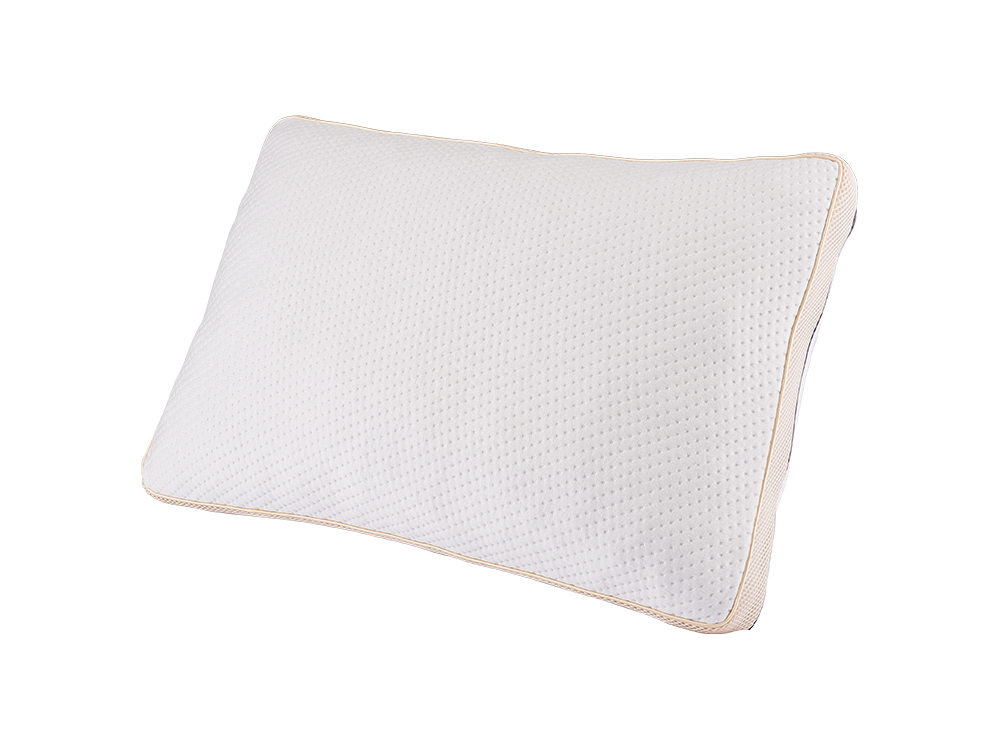
You sink into a hotel bed, rest your head on the pillow, and within minutes you’re questioning every pillow you’ve ever owned. That instant sense of plushness isn’t accidental. It starts with what’s hidden inside the cover. A hotel pillow’s fill material determines 80% of its comfort signature—loft, support, temperature regulation, and that elusive “just right” feel.
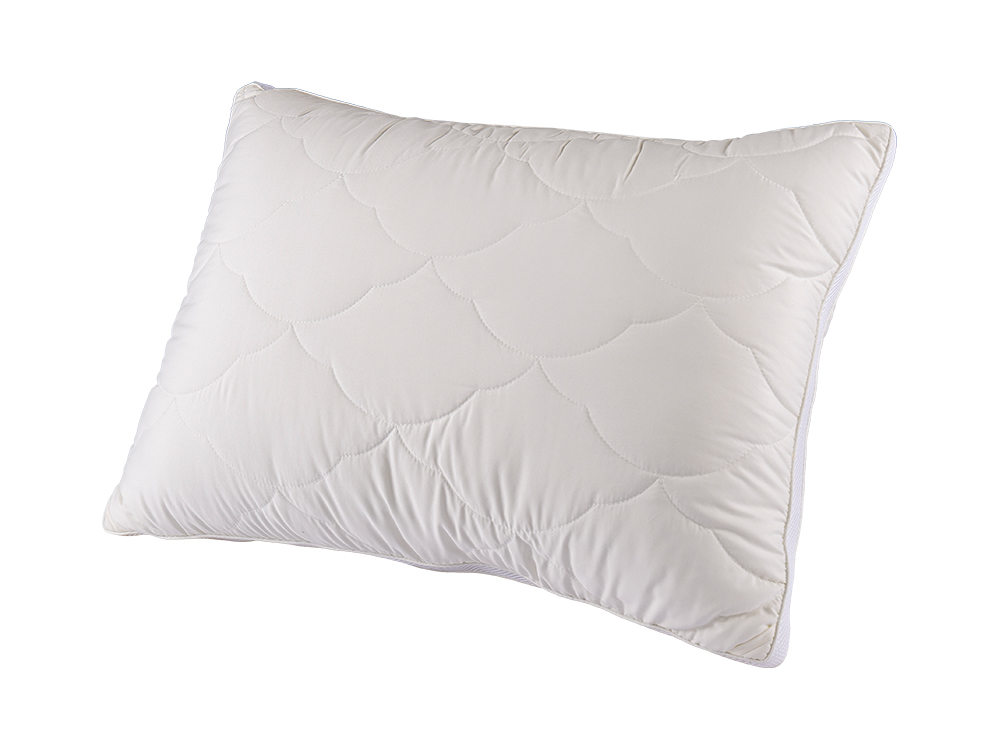
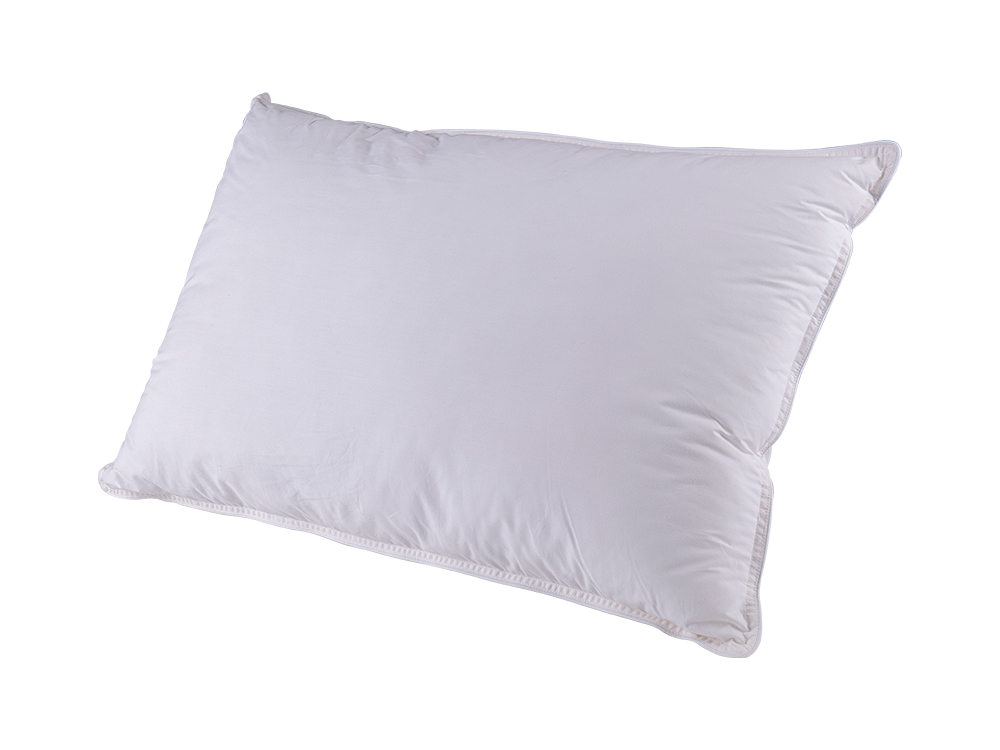
Five-star properties often choose a down and feather blend with a 70–90% down ratio for cloud-like softness. Mid-range hotels lean on high-grade polyester microfibre or a down alternative to mimic loft at a fraction of the cost. Budget chains still deliver acceptable comfort by selecting dense, polyester fibre fills with slightly higher firmness to compensate for shorter replacement cycles. Memory foam and cooling gel infusions appear only when the hotel targets side sleepers or promises a cooling experience.
| Fill Material | Loft & Fluffiness | Support & Firmness | Breathability | Approx. Cost (Wholesale) | Typical Hotel Tier |
|---|---|---|---|---|---|
| Down (goose/duck) | Very high | Soft to medium | Excellent | $$$ | Luxury 5-star |
| Polyester Microfibre | High | Medium-firm | Moderate | $ | Mid-range & budget |
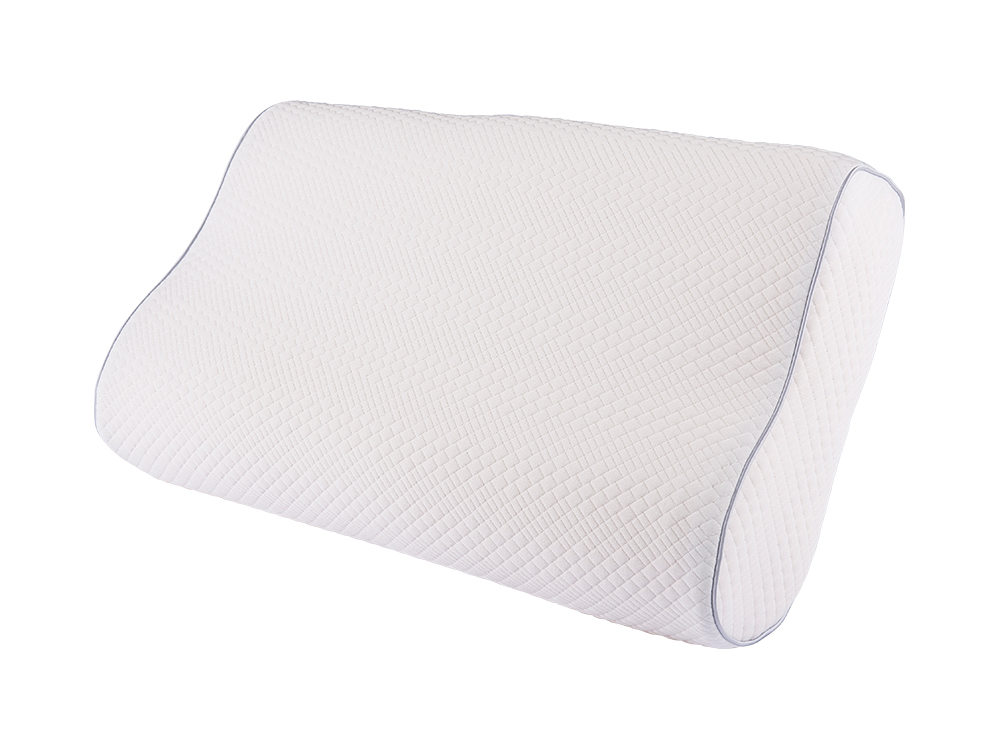
| Memory Foam | Low-medium | Firm, contouring | Low (can sleep hot) | $$ | Boutique, wellness-focused |
| Cooling Gel-infused | Medium | Medium-firm | High (actively cooling) | $$$ | Premium & specialty suites |
A polyester pillow built for a hotel chain is engineered differently than a retail one. The fibre is crimped and siliconized to maintain resilience through hundreds of washes, something regular home pillows rarely withstand. Down pillows receive multiple water-wash cycles and dust extraction before filling, a step that dramatically reduces allergens. That upfront preparation is what creates the hygienic, plump feel you notice the moment you lie down.
Why Fabric Matters: Thread Count, Weave & Anti-Leak Technology
Even the best fill collapses without the right enclosure. Hotel pillow ticking—the outer shell—functions as both a tactile surface and a containment system. The fabric must feel smooth against the cheek, block feather quills, and stay cool. That’s a tall order solved by thread count and weave density.
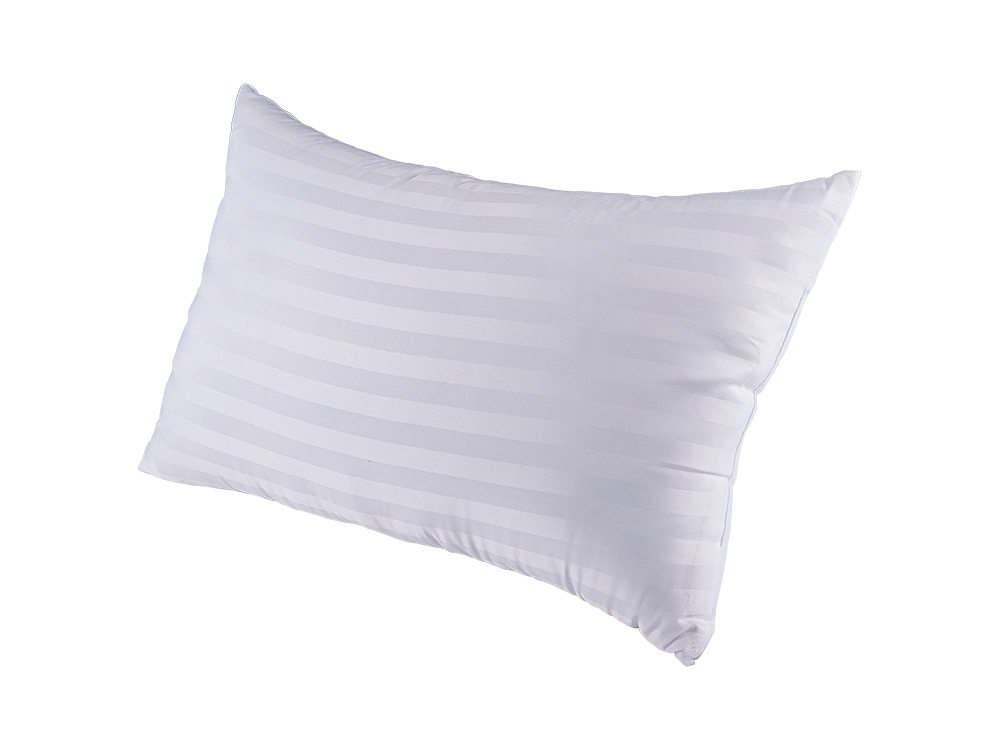
A 300-thread-count cotton percale shell already stops most microfibre from escaping, but down pillows demand a tighter weave—often 400 TC or higher, with a cambric or down-proof finish. Some manufacturers use a proprietary “anti-leak” inner liner bonded to the outer fabric, a technology borrowed from factory-grade mattress protectors. The result: no sharp quills, no dusty sift-through, and a fabric that breathes instead of trapping heat.
| Fabric Grade | Thread Count | Feel | Down-proof Ability | Best Use |
|---|---|---|---|---|
| Standard cotton | 200–300 TC | Crisp, breathable | Low (requires liner) | Budget hotel polyester pillows |
| Premium percale | 400–600 TC | Smooth, cool | Moderate (with tight weave) | Mid-range down blend pillows |
| Down-proof cambric | 300+ TC, dense weave | Very smooth, crisp | High | Luxury goose down pillows |
Hotels also avoid chemical softening treatments that degrade after cleaning. Instead, they specify OEKO-TEX Standard 100-certified fabrics that remain colourfast and soft over time—no formaldehyde, no heavy metals. That’s a quiet difference you feel as consistent freshness rather than a novelty that fades.
The “Pillow Menu” Explained: How Hotels Cater to Every Sleeper
A single pillow type cannot satisfy back sleepers, side sleepers, stomach sleepers, and allergy-prone guests. Luxury hotels solved this with the pillow menu—a curated selection of at least three to five core profiles guests can request upon check-in. It’s not about offering every option imaginable; it’s about covering the structural needs of the spine.
Factories that supply hotel chains build these menu variants on the same base design, tweaking fill ratio, fill weight, and sometimes the fabric feel. A soft pillow might use 90% down with 10% feather at 550 fill power, while a firm one swaps to 50% down / 50% feather and adds 200 g more fill to hit a higher loft. Cooling pillows incorporate phase-change material or gel-infused pads inside the cover, while anti-allergy models rely on tightly woven, certified synthetic fills that block dust-mite migration.
- Soft: 85–95% down, 5–15% feather; low density, ideal for stomach sleepers.
- Medium: 50–70% down, 30–50% feather; balanced support for back sleepers.
- Firm: 30–50% down, 50–70% feather, or high-density memory foam; keeps neck aligned for side sleepers.
- Cooling: Gel-infused memory foam or breathable polyester with a cooling cover.
- Anti-Allergy: 100% polyester microfibre with a tightly woven shell, often carrying GRS or OEKO-TEX certification.
The menu logic flows directly from OEM specifications. A hotel chain orders a predetermined ratio of soft, medium, and firm pillows per room, sometimes at a 30-50-20 split. This factory-level customization—adjusting fill weight within a tenth of a gram—is what lets them promise “your perfect pillow” without the guesswork.
The Hidden Cost of Comfort: Why Hotels Replace Pillows So Often
No pillow keeps its loft forever. What makes hotel pillows different is the replacement schedule, not just the initial quality. A five-star property typically cycles pillows out every 6–12 months. Economy and mid-scale hotels stretch that window to 18–24 months, but they buy pillows designed to hold shape longer under tighter budgets.
Why so frequently? Body oils, skin cells, and moisture degrade fill resilience. A pillow that costs $12 wholesale and gets replaced every year still performs better nightly than a $60 retail pillow used for five years without protection. The math flips when you realize hotels amortize the cost per occupied room night to mere cents. The real comfort secret is aggressive refreshment, not magic materials.
Commercial laundry cycles also take a toll, so hotel pillows are built with reinforced seams and high-resilience fibre that survives 100+ washes. This durability-standard is why a factory-grade polyester pillow can outperform a retail one on longevity tests even when both start with similar loft.
Certifications That Matter: OEKO-TEX, GRS & Safety Standards
Hotel procurement teams don’t guess about safety—they demand certificates. Two standards dominate the bedding supply chain: OEKO-TEX Standard 100 and the Global Recycled Standard (GRS). These aren’t marketing badges; they are pass-fail thresholds for harmful substances and recycled content claims.
- OEKO-TEX Standard 100: Tests every component of the pillow—cover, thread, zipper, fill—for over 100 regulated substances including formaldehyde, heavy metals, and phthalates. Hotels require at least Class II certification (direct skin contact) for pillows.
- GRS (Global Recycled Standard): Verifies the percentage of recycled material in the fill or fabric and tracks it through the supply chain. Budget-conscious hotel groups use GRS-certified polyester fill to meet corporate sustainability goals without raising cost.
For a factory, holding these certifications means every batch undergoes third-party audits. A hotel pillow with an OEKO-TEX label has passed screen tests that a non-certified retail pillow likely hasn’t. That’s why the same softness can exist without the faint chemical smell that sometimes clings to uncertified imports.
How to Recreate the Hotel Pillow Experience at Home
You don’t need a pillow menu to borrow the hotel recipe. Three moves bring the same feel into your bedroom, and none requires chasing a brand name.
- Match the fill to your sleep position. Side sleepers should aim for a high-loft, 700+ fill power down blend or a firm memory foam block that keeps the neck straight. Back sleepers do better with medium density microfibre or a 50/50 feather-down mix that cradles without sinking.
- Add a high-quality pillow protector. A mattress protector alone won’t fix a pillow, but a zippered, tightly woven pillow protector blocks moisture and extends fill life by up to 18 months. Hotels always pair pillows with protectors—that’s how they maintain that just-fluffed-in-the-morning sensation.
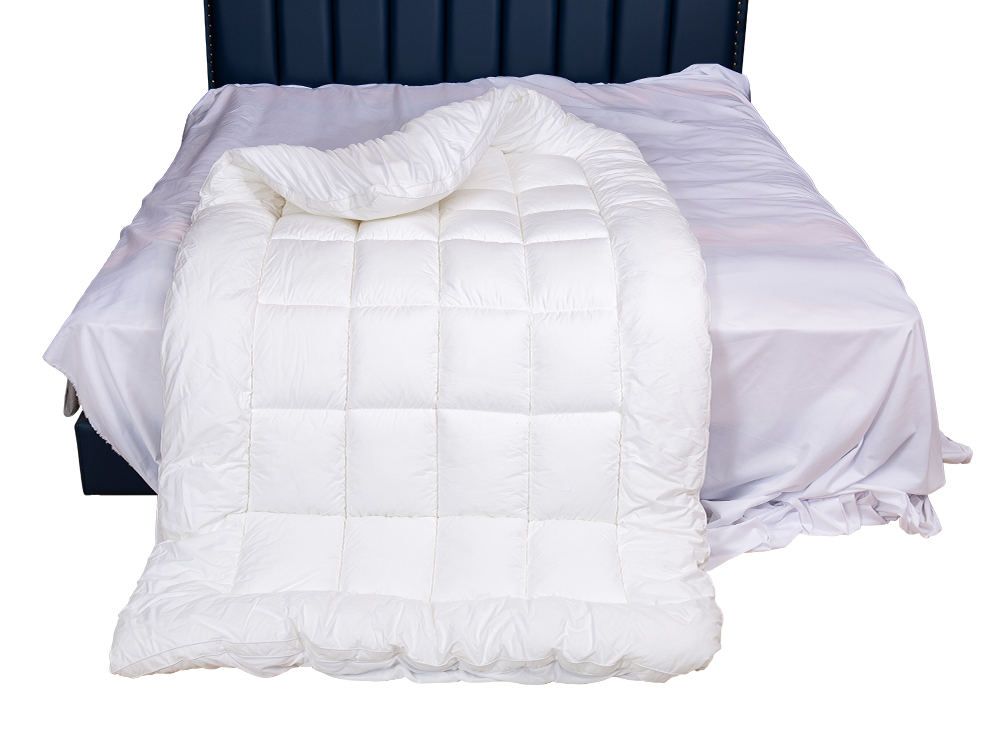
- Buy a pillow you can adjust. Choose a style with an accessible zipper so you can add or remove fill to dial in height. A 12 cm loft suits most back sleepers, while side sleepers need 15–18 cm. Factory-adjustable pillows let you mimic the custom loft of a hotel’s medium-firm option without buying three separate pillows.
Replacement rhythm matters too. Toss your pillow after 18 months even if it looks fine, or sooner if it stays folded when folded in half. That’s the hotel discipline industrial buyers swear by.
The OEM Perspective: Why Factory-Direct Pillows Offer the Best Value
When a hotel chain orders 20,000 pillows a year, the price per unit drops below $8 for a quality microfibre fill or $15 for a down blend. The same pillow, re-branded by a retailer, lands on a shelf at $60–$90. The gap isn’t just middlemen markup; it’s the result of batch customization, minimal packaging, and freight optimization that individual consumers never see.
| Pillow Type | Retail Price (Est.) | OEM Factory Price (2000+ units) | Savings |
|---|---|---|---|
| Down blend (50/50), 600 TC cover | $80–$120 | $14–$18 | 80–85% |
| Polyester microfibre, 300 TC cover | $30–$50 | $4–$7 | 75–85% |
| Memory foam pillow, gel layer, 400 TC | $90–$150 | $18–$25 | 78–83% |
These pennies count at scale, but the comfort stays identical because the factory builds from the same base specs. Hotel pillows are comfortable because they are engineered to a performance grid, not styled to a retail display. And the factories that make them are already producing that comfort for less than a dinner check.


 +86-573-88798028