



 Français
 Español
 Deutsch
Content
Check into a hotel, pull back the covers, and you will find the same architecture almost everywhere: layers. A fitted sheet, a flat sheet, a blanket tucked in between, and a quilt or duvet on top. Each layer has a specific job, and the blanket in the middle is the textile travelers touch all night. So what blankets do hotels use?
Hotels favor performance over decoration. The most common hotel blankets are polyester-cotton blends because they survive commercial laundering without shrinking, pilling, or losing shape. Close behind are 100% polyester and microfiber blankets, which dry quickly and cost less, and 100% cotton blankets, which deliver the crisp, breathable feel guests associate with higher-end properties. On top of the bed, hotels usually add a quilt or comforter with a down-alternative fill.
Hotels Do Not Use One Standard Blanket
The direct answer to what blankets hotels use is that hotels do not standardize on a single product. The right choice depends on the hotel category, the local climate, the laundry system, and the budget per room. What remains consistent is the buying logic. Hospitality buyers evaluate blankets on four criteria: durability in commercial washing, drying speed, guest comfort, and total cost per usable night.
This is why the same materials appear across so many properties. A mid-scale hotel will often run a polyester-cotton blend at 250–350 GSM as its main blanket. A luxury property may spend more on long-staple cotton or a higher-weight down-alternative quilted layer. But both are making the same trade-off: a blanket that still looks fresh after 75, 100, or 150 laundry cycles matters more than one that feels plush on day one.
The Four Blanket Types Found in Hotels
Look inside a hotel linen closet and you will find essentially four blanket categories, each serving a different position in the bed setup.
Polyester-Cotton Blends — The Industry Workhorse
Polyester-cotton blends dominate the hospitality market. The polyester content provides strength, quick drying, and resistance to the chemicals used in commercial washing, while the cotton content adds breathability and a softer hand feel. A typical blend is 50/50 or 65/35. These blankets hold their dimensions, resist shrinkage within a small tolerance, and stay affordable at scale, which is why procurement teams keep returning to them.
Polyester and Microfiber — Fast-Drying and Budget-Friendly
Pure polyester and microfiber blankets are the value workhorses of hotel bedding. They are lightweight, dry quickly, and resist creasing between guest stays. In warmer climates or budget segments, a polyester fleece or brushed blanket at 300–400 GSM provides warmth without the moisture retention of heavier cotton. The trade-off is lower breathability, which matters more in humid regions where guests tend to overheat.
Cotton — The Breathable Premium Option
For properties aiming at a crisper, more natural feel, 100% cotton blankets set the reference point. Cotton breathes well, absorbs moisture, and improves with repeated washing when the weave is good. Hotels pay more upfront and accept longer drying times, but guests notice the difference. Woven cotton blankets in herringbone or waffle weaves are classic choices in this segment, and they pair naturally with cotton sheets.
Down-Alternative Quilts and Comforters — The Top Layer
Hotels rarely use a bare blanket as the only top layer. The finishing layer is usually a quilt or comforter with a down-alternative fill. Down-alternative products mimic the loft of natural down without the allergy concerns or the high cost. They are machine washable, dry flat, and can be rotated between rooms. A microfiber quilt is a practical version of this top layer because both the shell and the fill launder well and keep their loft over many cycles.
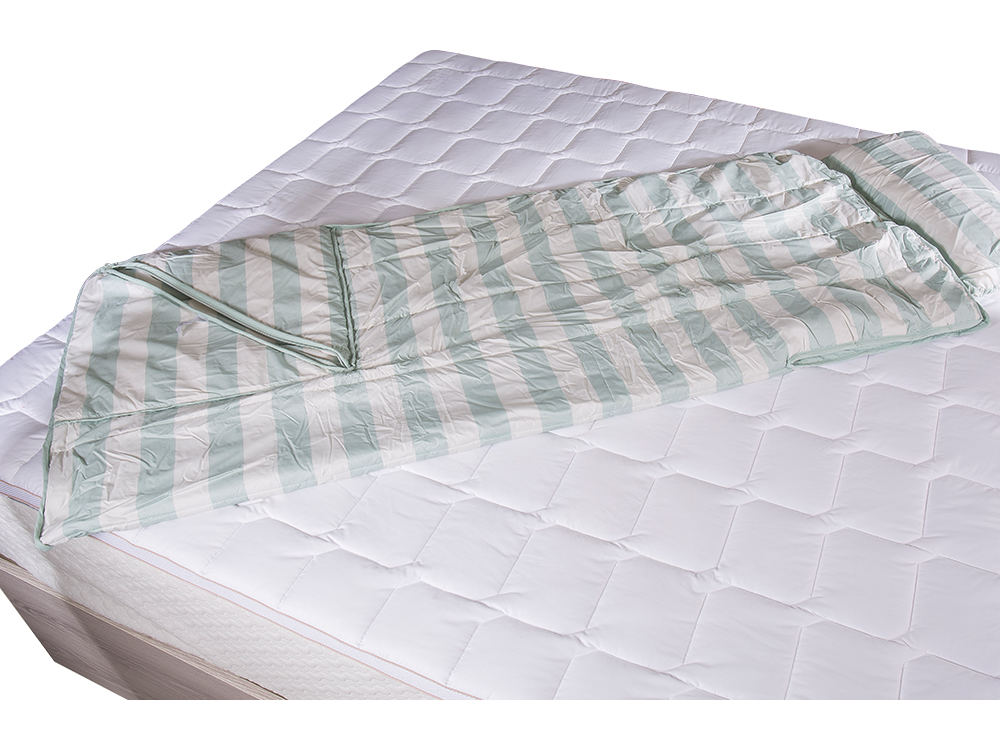 Polyester Microfiber Quilts Manufacturers, FactoryTongxiang Xinlong Bedding Co., Ltd. is China Polyester Microfiber Quilts Manufacturers and Microfiber Quilt Factory, we offer Custom Soft...View Product →
| Material | Typical Weight | Why Hotels Use It | What to Plan For |
|---|---|---|---|
| Polyester-cotton blend | 250–350 GSM | Durable, low shrinkage, easy care | Less breathable than pure cotton |
| Polyester / microfiber | 300–400 GSM | Fast drying, cost-effective, lightweight | Can trap heat in humid climates |
| 100% cotton | 200–400 GSM | Breathable, natural, premium feel | Slower drying, higher cost |
| Down-alternative quilt | Varies by fill | Plush loft, allergy-friendly, washable | Needs even fill distribution |
The Layering System Behind the Hotel Feel
Hotel bedding feels comfortable to so many guests because the blanket never works alone. A typical hospitality bed is built in a sequence: fitted sheet, flat sheet, blanket, and a second flat sheet or duvet cover on top. The inner blanket provides warmth, while the sheets around it handle moisture and are laundered more frequently. This arrangement lets the hotel change the visible bedding every night while the blanket stays in place for several days, which is a significant cost advantage.
This also explains why a hotel blanket feels lighter than the average home blanket. The warmth comes from the combination of layers, not from a single heavy fabric. Understanding the difference between a blanket and a comforter is therefore essential for anyone buying hotel bedding, because the two products play different roles in the same setup.
What Makes a Blanket Feel Hotel-Grade
Three technical factors separate a hotel-grade blanket from a retail one: weight, construction, and laundering performance.
GSM and Weight Selection
Grams per square meter (GSM) is the first number buyers check. A 250 GSM blanket reads as a light summer layer, while 400 GSM reads as substantial winter warmth. Mid-weight blankets around 300 GSM work best for year-round operations because they pair naturally with a quilt or duvet on top. GSM also affects drying time: heavier blankets tie up laundry capacity, so properties with tight turnaround often choose lighter products.
Construction and Edge Sealing
A blanket can be woven, knitted, brushed, or ultrasonically bonded. Each method changes how the edges behave after washing. Ultrasonic bonding, in particular, seals cut edges without stitching, which prevents unraveling and keeps the blanket flat. An ultrasonic blanket is a good example of this construction style: it keeps its shape and edges even after repeated industrial wash cycles, making it a preferred choice for buyers who want low-maintenance hospitality products.
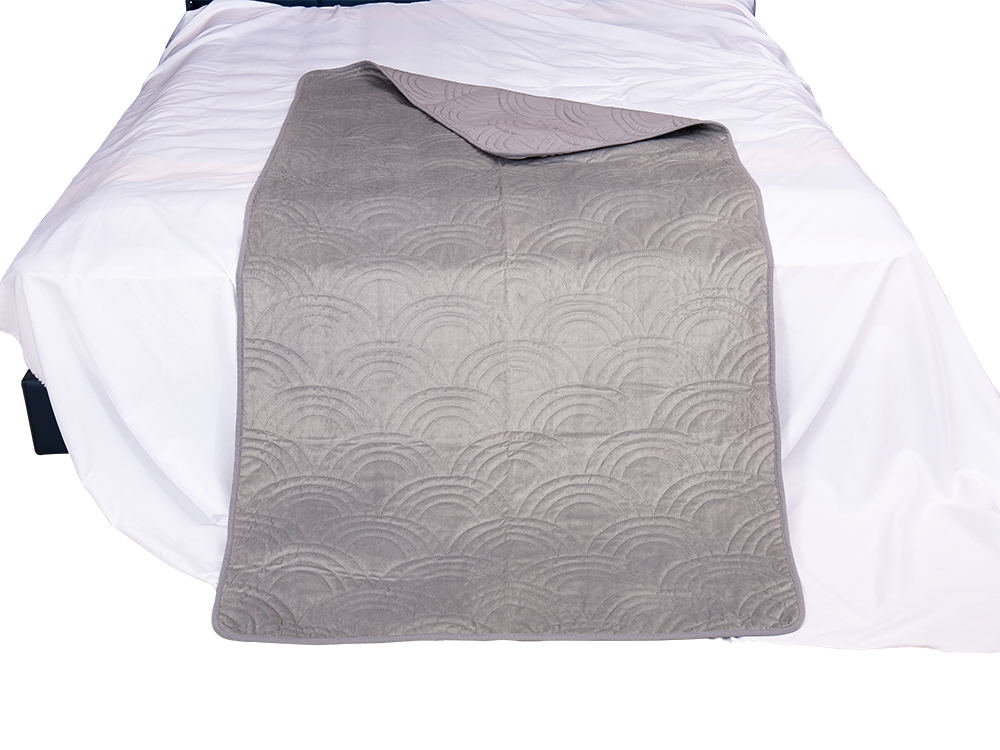 Ultrasonic Blanket Manufacturers, OEM/ODM FactoryTongxiang Xinlong Bedding Co., Ltd is China Ultrasonic Blanket Manufacturers and Ultrasonic Blanket OEM/ODM Factory, offer Custom Ultraso...View Product →
Commercial Laundering Performance
The laundry is where bedding products prove themselves. Commercial washers run hotter, use stronger chemicals, and process blankets in high volumes. Buyers look for low shrinkage, colorfastness, and minimal pilling after multiple cycles. A blanket labeled as industrial washable has been tested against this exact stress. Certifications matter here as well. OEKO-TEX Standard 100, GRS, and ISO-managed factories give procurement teams confidence that both the product and the production process meet hotel standards.
How Hotels and Buyers Source Blankets
Hotels do not walk into a retail store to buy their blankets. Contract quantities come from bedding manufacturers and textile factories that specialize in hospitality products. A procurement team typically works with a factory to specify material, GSM, size, color, packaging, and certification. For a property group, one purchase order can cover thousands of rooms, which is why buyers are more sensitive to consistency than to the fabric pattern on display.
The supply chain behind hotel bedding is compact but demanding. The supply chain behind hotel bedding starts with fiber suppliers, moves to knitting or weaving, then cutting, sewing, and quality inspection, and ends with barcoded packs ready for the laundry. Factories with in-house production control are better positioned to deliver the uniform quality that hotel groups require.
Buyers also need a practical reference for the comforter side of the setup. A dedicated hotel comforter buying guide is useful when comparing fill materials, shell fabrics, and washing standards for the top layer. The same questions apply to blankets: what is the GSM, how does the product behave after 50 washes, and does the factory hold the certifications your target market expects?
When a property wants a natural, premium top layer, a cotton quilt offers the breathable, year-round comfort that many guests expect from better hotels. Cotton quilts provide solid warmth, handle repeated washing well, and work in both summer and winter when combined with the lighter blanket layer underneath.
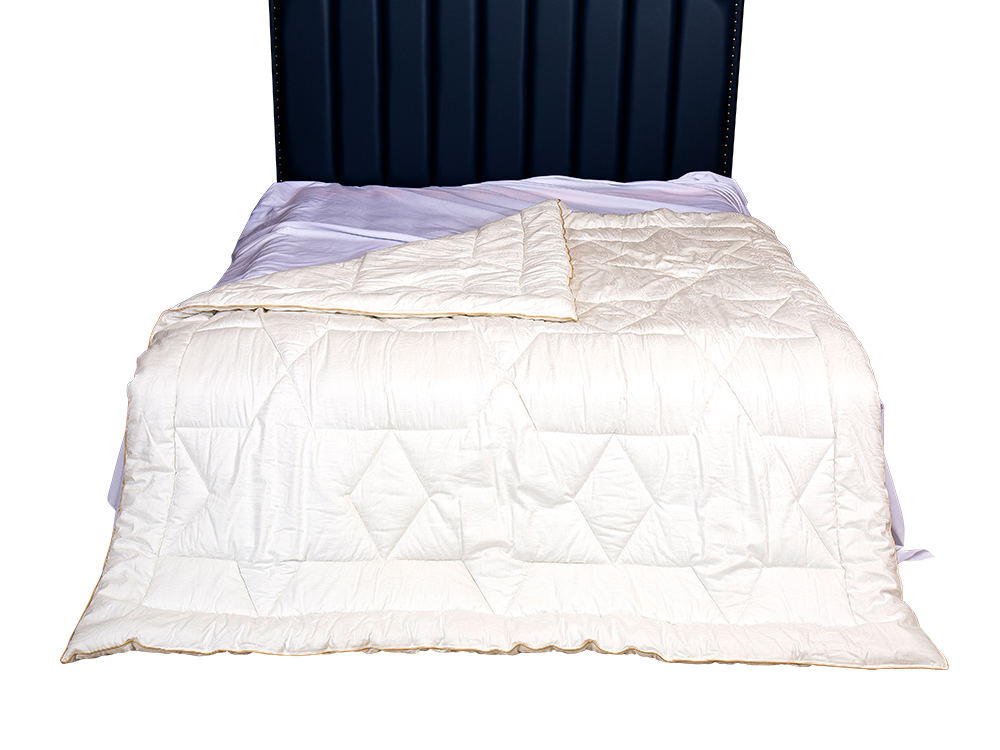 Woven Cotton Quilts Manufacturers, Pure Cotton Quilt FactoryTongxiang Xinlong Bedding Co., Ltd. is China Woven Cotton Quilts Manufacturers and Pure Cotton Quilt Factory, we supply Custom Cotton Qui...View Product →
The final answer to what blankets hotels use is simple in principle: hotels buy blankets that wash well, dry fast, feel comfortable, and fit the budget per room. That usually means polyester-cotton blends for the middle layer, polyester or microfiber for value rooms, and cotton or down-alternative quilts at the top. Once you know what to evaluate — GSM, construction, laundering standards, and certifications — the choices become much easier to compare, whether you are stocking a single property or sourcing for an entire chain. Working directly with an experienced bedding factory is the most reliable way to ensure every blanket meets those specifications consistently.


 +86-573-88798028