



 Français
 Español
 Deutsch
Content
- 1 Why Hotel Bedding Standards Have Raised the Bar in 2026
- 2 The Comfort Baseline: What Hospitality-Grade Bedding Must Deliver
- 3 Durability Under Commercial Conditions
- 4 Eco-Certification: From Optional to Expected
- 5 A Category-by-Category Procurement Checklist
- 6 How to Source Hotel Bedding That Meets All Three Standards
Hotel guests have always cared about how a bed feels. What has changed in 2026 is that they also care — and increasingly check — how it was made. Alongside the traditional expectations of softness, warmth, and durability, a new layer of scrutiny has arrived: environmental certification, chemical safety, and supply chain transparency. For procurement teams sourcing quilts, pillows, and mattress protectors at scale, meeting one or two of these requirements is no longer enough. The modern hotel bedding standard demands all three simultaneously.
This shift is not driven by trend alone. The global eco-friendly hotel bedding market was valued at approximately USD 1.85 billion in 2024 and is projected to reach USD 4.17 billion by 2033, growing at a compound annual rate of 9.4%. Europe leads with the largest market share, driven by stringent regulatory frameworks and mandatory green procurement policies adopted by major hotel groups. What was a competitive differentiator two years ago is now becoming a baseline qualification for vendor lists. Understanding exactly what the new standards require — and how to verify them in a supplier relationship — is the starting point for any serious hospitality procurement strategy in 2026.
Why Hotel Bedding Standards Have Raised the Bar in 2026
Three forces have converged to rewrite what "hotel-grade" bedding means in practice.
The first is guest expectation. Millennial and Gen Z travelers now make up the dominant share of global hotel bookings, and survey data consistently shows that over 80% of these guests factor sustainability into their accommodation choices. Bedding — the most intimate point of contact throughout a stay — is increasingly mentioned in online reviews not just for comfort, but for certification status. Properties that can communicate verified eco-credentials at the room level are seeing measurable improvements in guest satisfaction scores and direct booking rates.
The second is regulatory pressure. The EU Corporate Sustainability Due Diligence Directive, which began phasing in mandatory supply chain accountability requirements across European markets, has pushed hotel procurement teams to demand documentation — not just declarations — from their suppliers. Hotels operating under Green Key, LEED, or BREEAM certifications face specific bedding and linen requirements as part of their own compliance obligations. Sourcing bedding without verified certification increasingly creates audit risk for the hotel itself, not just the supplier.
The third force is the operational reality that certification and quality are not in tension. Hotels that have transitioned to certified bedding report that properly specified, audited products perform better under commercial laundering, require fewer replacements per year, and generate fewer guest complaints. The upfront cost premium — typically 15–30% over uncertified alternatives — is offset by lifecycle savings within 12 to 18 months of use at standard hotel occupancy rates.
The Comfort Baseline: What Hospitality-Grade Bedding Must Deliver
Comfort in a hotel context is not the same as comfort at retail. Hotel bedding must feel premium on first contact, maintain that sensation across hundreds of wash cycles, and perform consistently across an entire property — not just in select rooms. This requires a more precise specification framework than most retail purchasing decisions demand.
Shell Fabrics
For quilt shells and pillowcases, thread count between 300 and 500 remains the hospitality industry benchmark — high enough to deliver softness and density, low enough to maintain breathability and laundering resilience. Weave structure matters as much as thread count: percale weaves offer crispness and durability preferred by business hotels, while sateen weaves deliver the silky finish associated with luxury tiers. Microfiber shells are increasingly specified in mid-market properties for their wrinkle resistance and cost efficiency, provided they meet fiber quality standards. For a detailed breakdown of how materials affect guest experience, our guide on how to choose a comforter covers the key variables in depth.
Fill Materials
Polyester hollow fiber fill remains the most widely specified option in commercial hotel bedding due to its consistency, hypoallergenic profile, and washability. GSM (grams per square meter) is the key specification variable: lighter fills (150–200 GSM) suit warmer climates and summer seasons, while heavier fills (300–400 GSM) are specified for colder markets or all-season use. Natural fills — bamboo fiber, cotton wadding — are gaining ground in lifestyle and eco-positioned hotels, where the material story is part of the brand narrative. Our comparison of bamboo vs synthetic quilts provides a detailed look at how these two categories compare on performance, care requirements, and sustainability positioning.
Durability Under Commercial Conditions
The most significant difference between consumer and hospitality bedding specifications is the durability requirement. A hotel quilt or pillow may be washed 100 to 200 times per year in commercial laundry conditions — high temperatures, industrial detergents, and high-speed extraction — that would destroy retail-grade bedding within months.
When evaluating supplier samples, hospitality procurement teams should request test data across three key parameters. First, wash-cycle testing: how does the product perform after 50, 100, and 150 industrial wash cycles at 60°C? Acceptable products should show no significant color degradation, no shell deformation, and no fill migration after this level of use. Second, tensile strength: the shell fabric should meet minimum resistance thresholds under tension, particularly at seam points where commercial extraction creates concentrated stress. Third, pilling resistance: fabric surfaces should maintain smooth texture after repeated abrasion — pilling is one of the most common guest complaint triggers and one of the clearest signs of low fiber quality.
Suppliers who cannot provide standardized wash-cycle test data for their hotel-specification products should not be shortlisted for commercial contracts. This data is the foundation of any total cost of ownership calculation, and its absence is a reliable signal that the product has not been engineered for commercial use conditions.
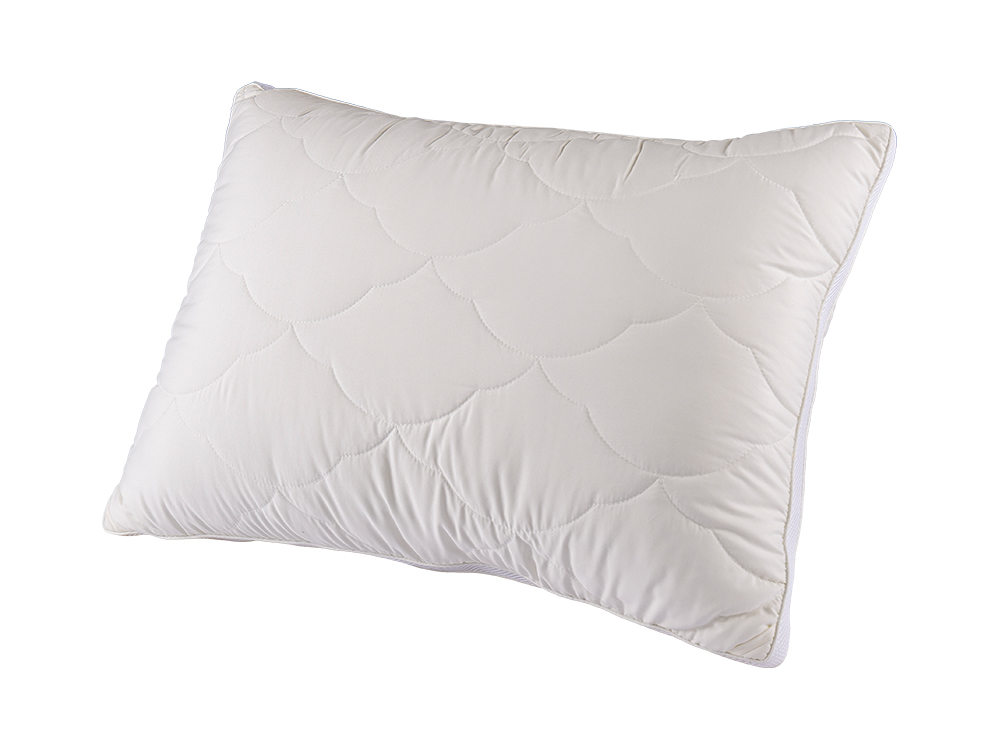
Construction details also matter at scale. Quilting stitch density affects fill distribution and wash stability. Box-stitch and channel-stitch patterns outperform simple grid stitching under repeated laundering. Double-needle seam finishing at edges and corners reduces the most common failure point in commercial quilt use. These specifications should be written explicitly into purchase orders, not assumed from product descriptions.
Eco-Certification: From Optional to Expected
Three certifications dominate the conversation in hotel bedding procurement in 2026. Understanding what each covers — and what it does not — helps procurement teams specify the right requirement for their context rather than treating all eco-labels as interchangeable.
| Certification | Managed By | Primary Focus | Key Requirement | Best Suited For |
|---|---|---|---|---|
| OEKO-TEX® Standard 100 | OEKO-TEX Association | Chemical safety of finished product | Every component tested for harmful substances | Hotels prioritizing guest health and allergy management |
| GOTS (Global Organic Textile Standard) | Global Standard gGmbH | Organic fiber content + full supply chain | Minimum 70% certified organic fiber | Eco-resorts, boutique hotels, luxury organic positioning |
| GRS (Global Recycled Standard) | Textile Exchange | Recycled content + chain of custody | Minimum 20% recycled content (50% for labeling) | Hotels with ESG reporting obligations or recycled material mandates |
OEKO-TEX® Standard 100 is the most broadly applicable certification for hotel procurement because it focuses on the safety of the finished product rather than the origin of raw materials. Every component of a certified product — shell fabric, fill fiber, thread, dyes, buttons — must pass testing for over 100 harmful substances. The 2026 updated standards have introduced stricter limits on certain chemical categories and require more detailed supplier documentation throughout the production chain. For hotels managing guests with sensitivities or allergies, OEKO-TEX certification is the most direct and verifiable guarantee they can offer.
GOTS certification is the appropriate choice for hotels whose brand positioning centers on organic or natural materials. It covers processing, manufacturing, packaging, labeling, and distribution — not just the fiber itself — making it a comprehensive supply chain standard rather than a product-level test. Hotels featuring GOTS-certified bedding in their marketing report meaningfully stronger booking conversion among the 25–40 demographic, a guest segment with above-average willingness to pay for verified sustainability credentials.
GRS is most relevant for hotels with specific ESG commitments around recycled content — including those subject to the EU's supply chain due diligence requirements or operating under green building certifications that specify recycled material sourcing. GRS requires independent third-party auditing at every stage of the supply chain and mandates Transaction Certificates for each shipment, creating the documentary trail that ESG audit processes require.
Many leading hotel groups now specify a combination: OEKO-TEX as a baseline safety requirement for all bedding, supplemented by GRS or GOTS depending on category and sustainability program focus. Procurement teams should align certification requirements with their specific hotel certification obligations (Green Key, LEED, etc.) before setting supplier qualification criteria.
A Category-by-Category Procurement Checklist
Applying a single specification across all bedding categories is a common procurement error. Quilts, pillows, and mattress protectors each face different use conditions and require different technical specifications.
Quilts / Comforters
Shell fabric: 300–400 thread count percale or microfiber; double-needle edge finish. Fill: polyester hollow fiber 200–350 GSM depending on climate zone; or bamboo/cotton for eco-tier products. Quilting: box-stitch or channel-stitch at minimum 8cm intervals to prevent fill migration. Certification: OEKO-TEX Standard 100 minimum; GRS for recycled polyester fill programs. Explore available options in our quilt collection.
Pillows
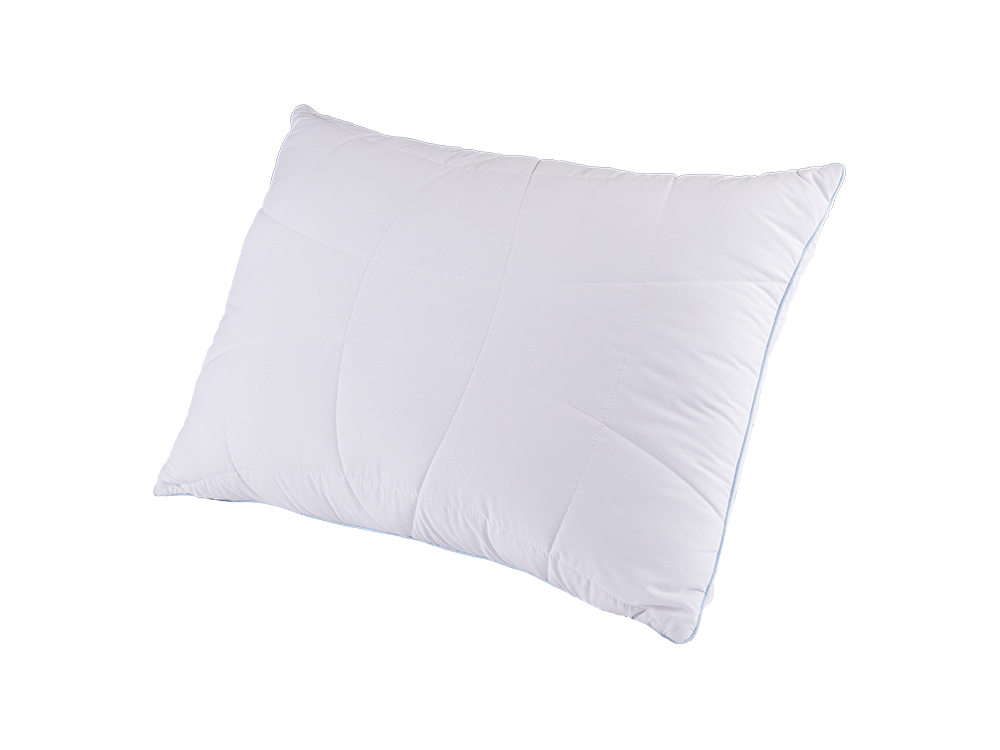
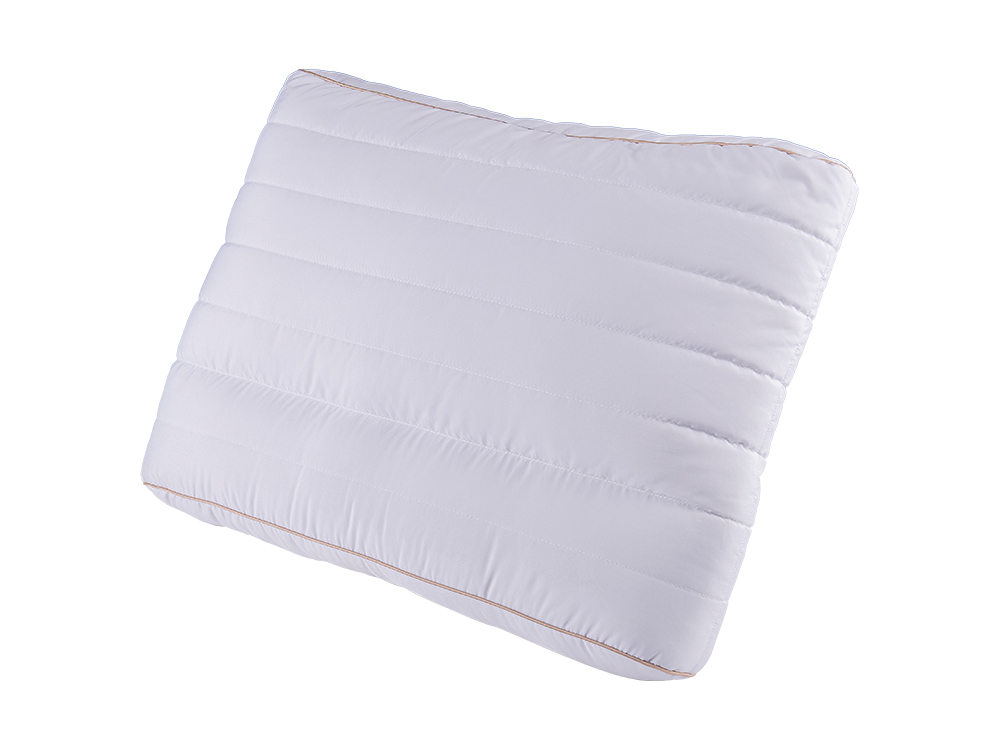
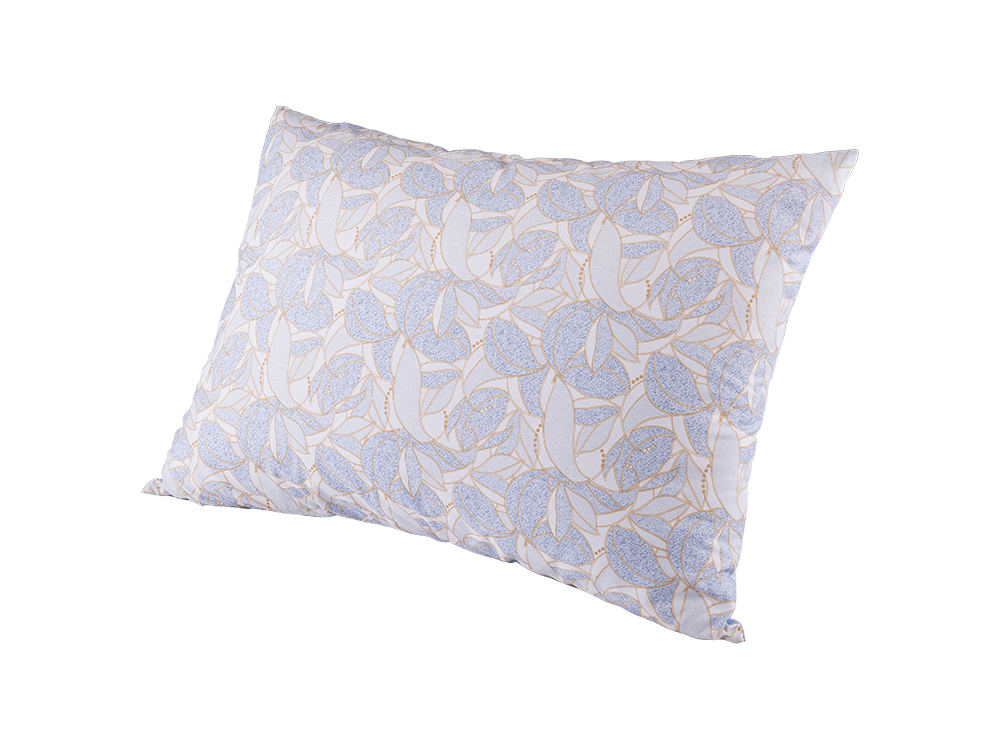
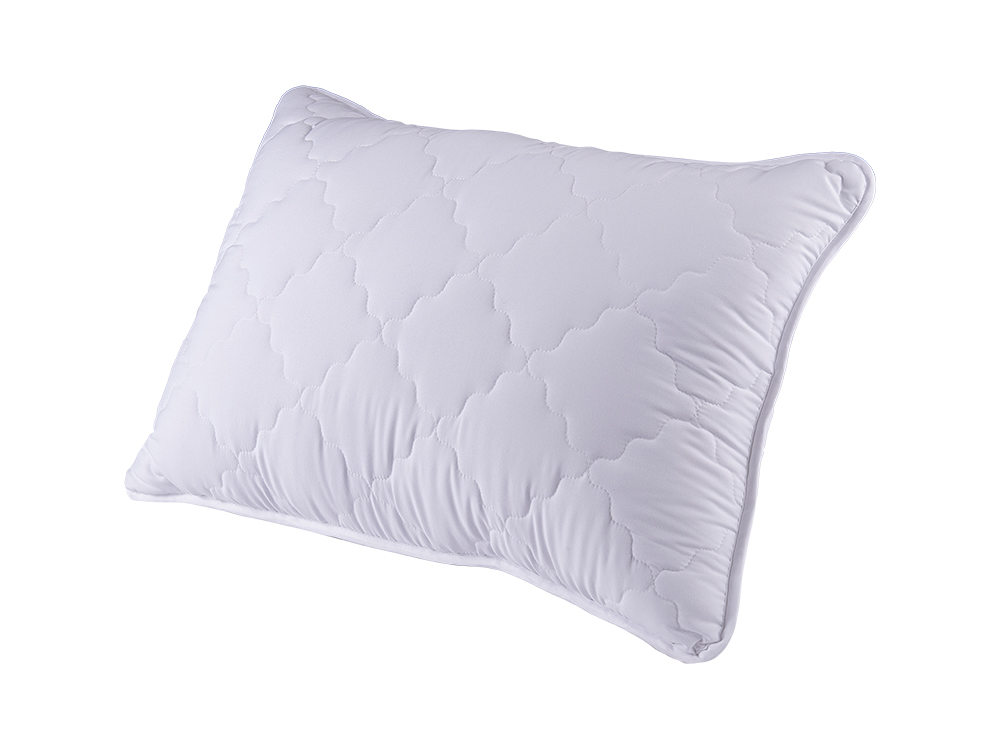
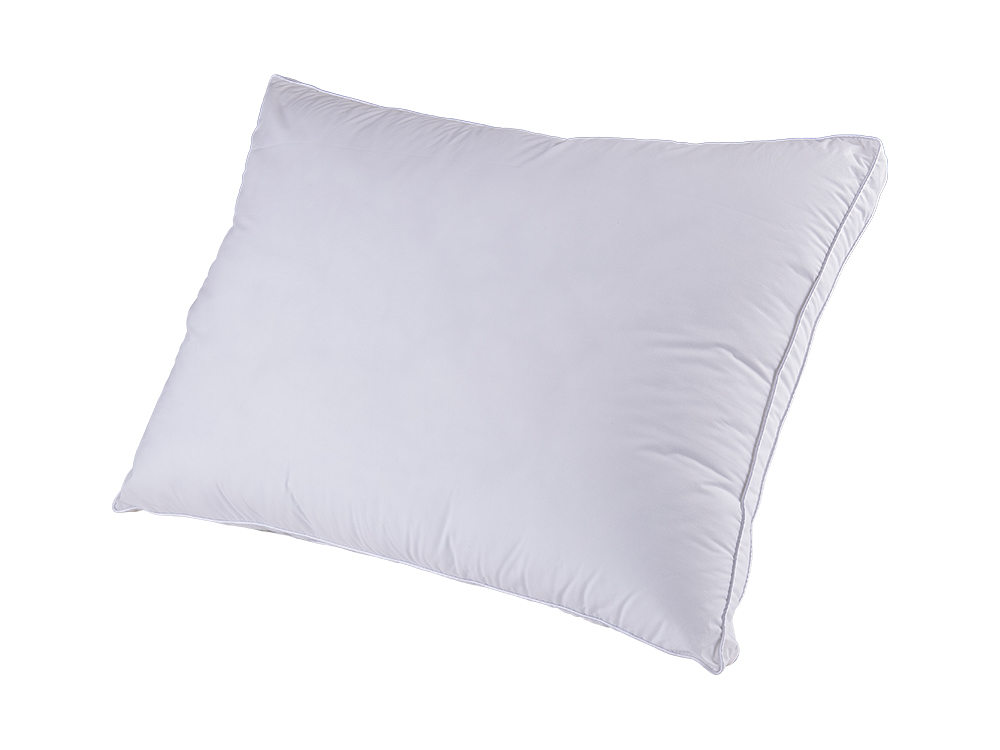
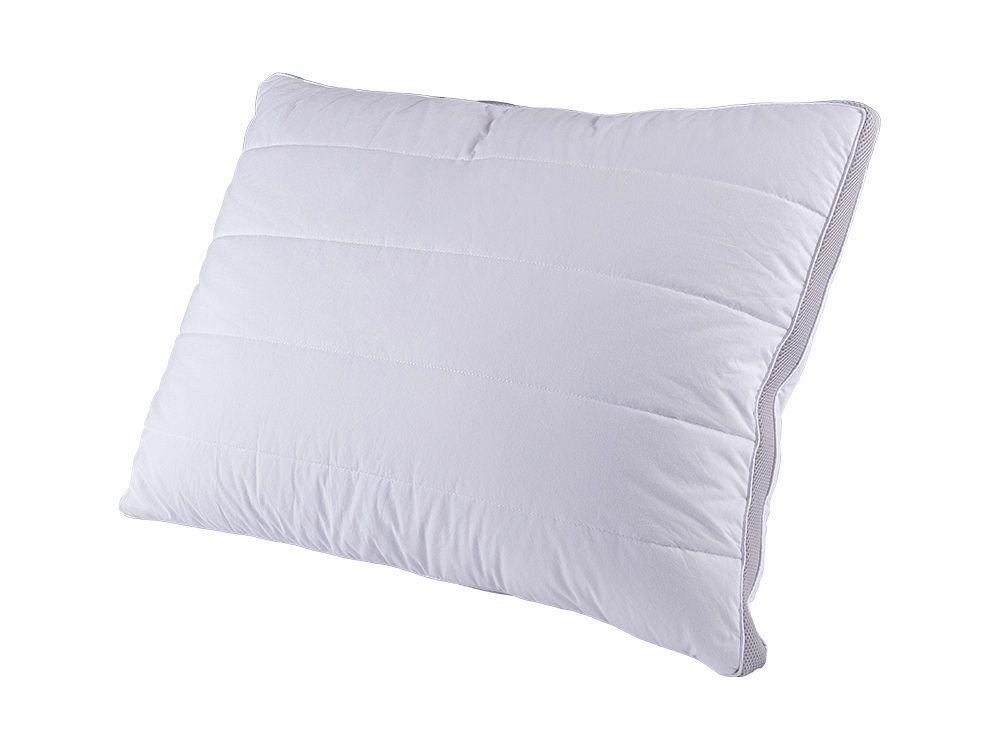
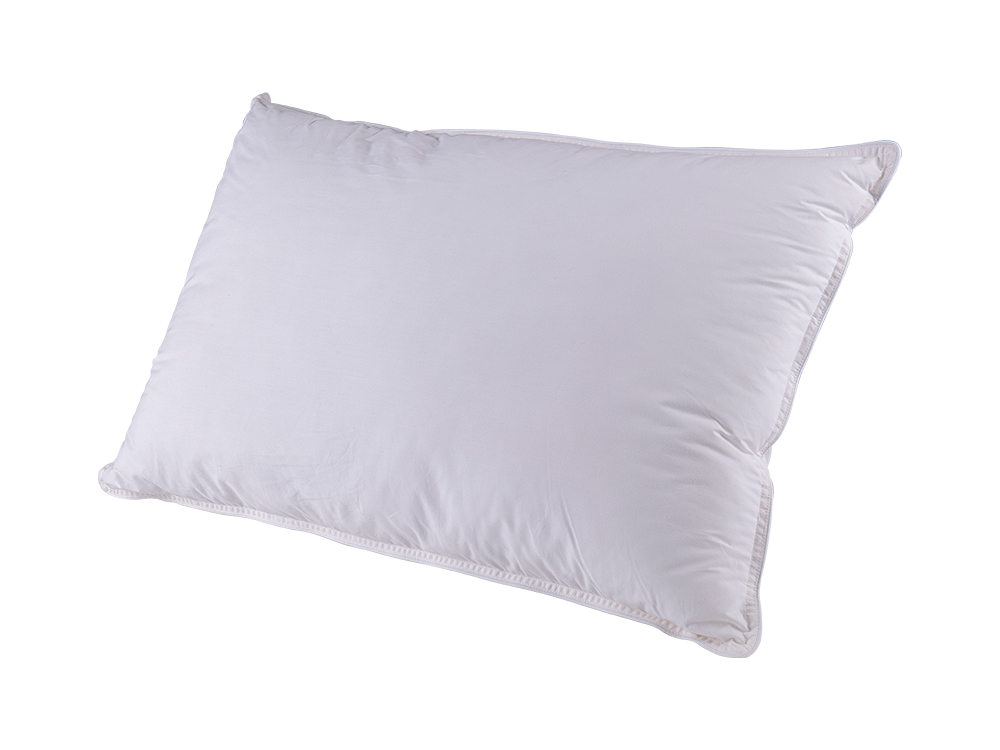
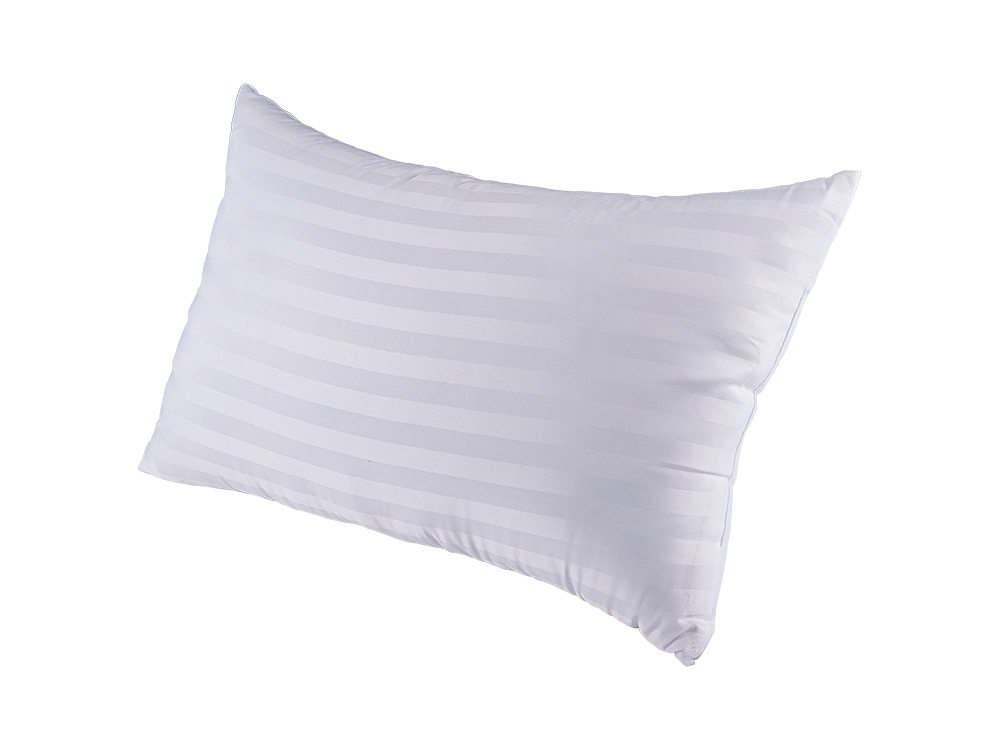
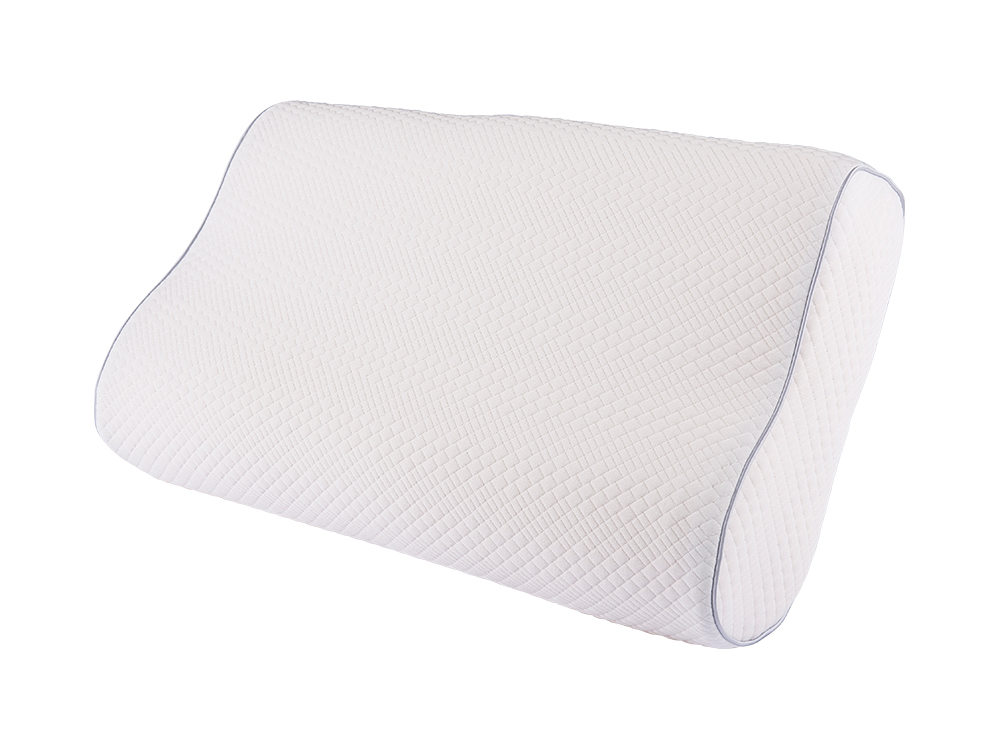
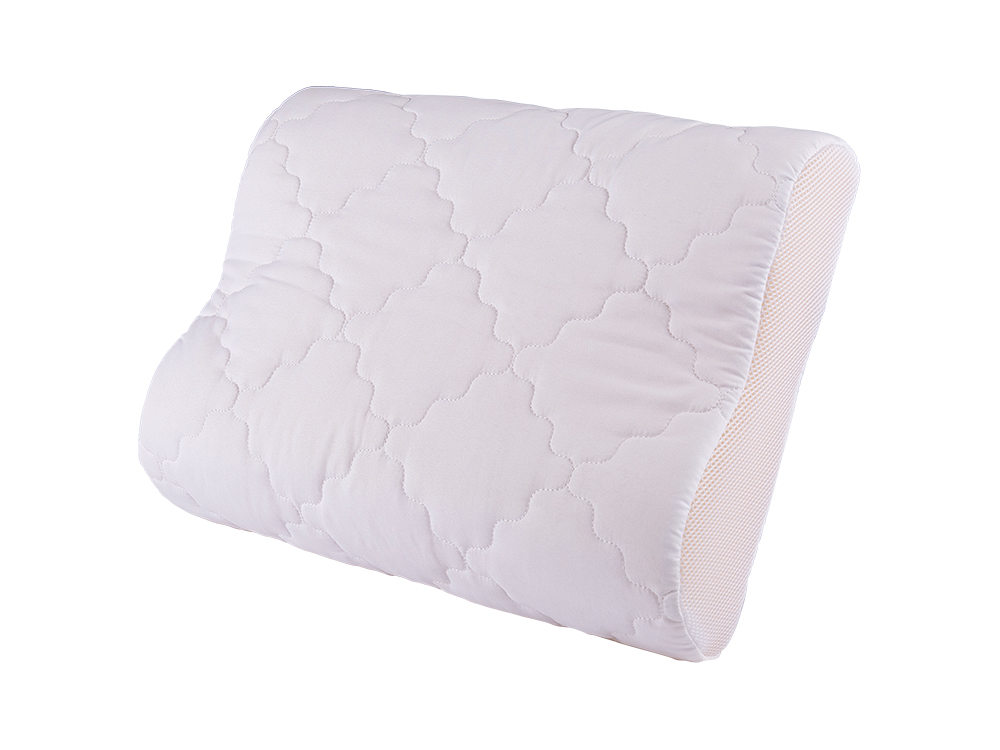
Shell: 233 thread count or above, tightly woven to prevent fill leakage; zippered inner casing recommended for commercial use. Fill: medium-firm density polyester fiber for back and side sleepers (the majority of hotel guests); offer a firmer option for properties with extended average stay lengths. Wash cycle requirement: maintain loft and shape after 100 commercial wash cycles at 60°C. Certification: OEKO-TEX Standard 100; hypoallergenic fill claim requires third-party verification. See our full pillow range for hospitality-specification options.
Mattress Protectors
This category carries the highest durability demand of any bedding item — mattress protectors are washed after every guest departure and must maintain waterproof performance, fitted-sheet stability, and surface comfort across 200+ annual wash cycles. Specify: knitted or polyester-cotton shell with elasticated full-surround fit; TPU or membrane waterproof backing; surface GSM sufficient to add perceptible comfort without trapping heat. Certification: OEKO-TEX Standard 100 is particularly important here given the product's proximity to the sleep surface. Browse our mattress protector range for commercial-grade specifications.
How to Source Hotel Bedding That Meets All Three Standards
The practical challenge for hotel procurement teams is finding a manufacturing partner who can deliver on comfort specification, commercial durability, and verified eco-certification simultaneously — not as separate product lines, but as an integrated offering that can be ordered, documented, and audited within a single supplier relationship.
When evaluating suppliers, request the following before shortlisting: valid Scope Certificates for each relevant eco-certification (OEKO-TEX, GOTS, GRS), wash-cycle performance test data for the specific products being quoted, construction specifications including stitch density, seam type, and fill distribution method, and sample availability for independent testing against your property's commercial laundry conditions.
Factories with genuine hospitality experience will have this documentation prepared as standard. Those who struggle to produce it are likely manufacturing to retail rather than commercial specifications, regardless of what their catalog claims. Direct factory sourcing also eliminates the intermediary markups that make certified, commercial-grade bedding appear unaffordable — our analysis of buying bedding direct from factory shows how direct manufacturer relationships reduce total procurement cost while giving hotels greater specification control and supply chain visibility.
In 2026, the hotel bedding standard is no longer a single bar to clear — it is three bars that must be cleared together: comfort that guests notice, durability that accountants appreciate, and certification that sustainability auditors can verify. Hotels that build their procurement specifications around all three will find themselves better positioned for the regulatory environment ahead, more competitive in the guest experience they deliver, and more resilient in the supplier relationships they depend on.


 +86-573-88798028