



 Français
 Español
 Deutsch
Content
- 1 Memory Foam Pillows: Performance Sells
- 2 Polyester Pillows: Volume, Versatility, and Value
- 3 Matching Pillow Fill to Your Distribution Channel
- 4 Side-by-Side Comparison: What Matters for B2B Buyers
- 5 Key Questions to Ask Your Supplier Before You Decide
- 6 Final Verdict: Your Market Decides, Not the Material
Two Materials, Two Market Strategies
Every pillow buyer eventually faces the same fork in the road: memory foam or polyester? The instinct is to ask which one is better. The smarter question — and the one that actually drives profitable sourcing decisions — is which one fits the customers you are trying to serve.
Memory foam and polyester fiberfill are not competing for the same shelf space. They occupy different price tiers, attract different end users, and carry different margin profiles. Understanding where each material wins is less about the pillow itself and more about knowing your distribution channel, your buyer's expectations, and what your competitors are already offering.
This guide breaks down both materials from a B2B perspective, so you can match the right fill to the right market — and order with confidence.
Memory Foam Pillows: Performance Sells
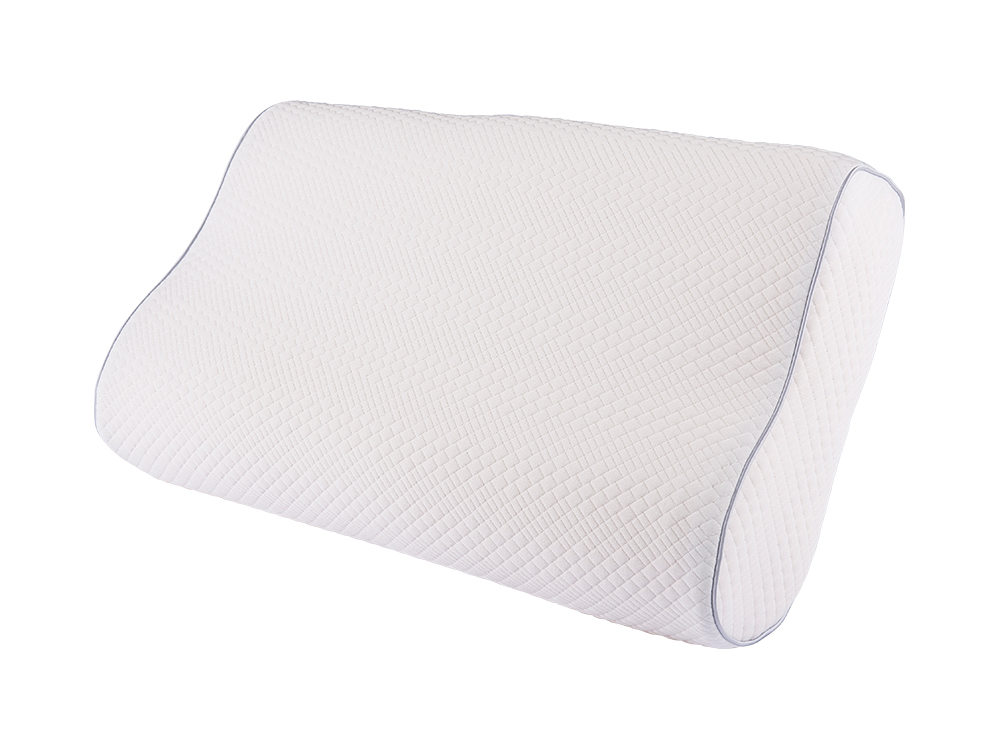
Memory foam — technically viscoelastic polyurethane foam — responds to body heat and pressure, contouring precisely to the shape of the sleeper's head and neck. That adaptive quality is what commands a premium. Buyers do not pay more for memory foam because of marketing; they pay more because the support is measurably different from anything a fiber fill can replicate.
For B2B buyers, the commercial case for memory foam is straightforward. The global memory foam pillow market was valued at USD 2.87 billion in 2024 and is projected to nearly double by 2033, growing at a CAGR of 8.03%, according to industry analysis of the memory foam pillow segment. That growth is being driven by aging consumers, rising sleep-health awareness, and a hospitality sector that increasingly treats bedding quality as a differentiator, not a commodity.
From a product standpoint, memory foam pillows carry several attributes that translate directly into sales arguments:
- Spinal alignment and pressure relief — the fill contours to individual anatomy, which resonates with consumers who have neck or back discomfort. This is a story that practically writes itself on a product listing or hotel amenity card.
- Shape retention over time — a quality memory foam pillow maintains its loft and support for two to three years, reducing the rate of guest or customer complaints about flat, unsupportive bedding.
- Hypoallergenic by nature — dense foam resists dust mites and mold accumulation, a selling point that matters to allergy-sensitive buyers and healthcare-adjacent markets.
- Premium perception — memory foam anchors a higher retail price point, which protects margins for both manufacturer and reseller.
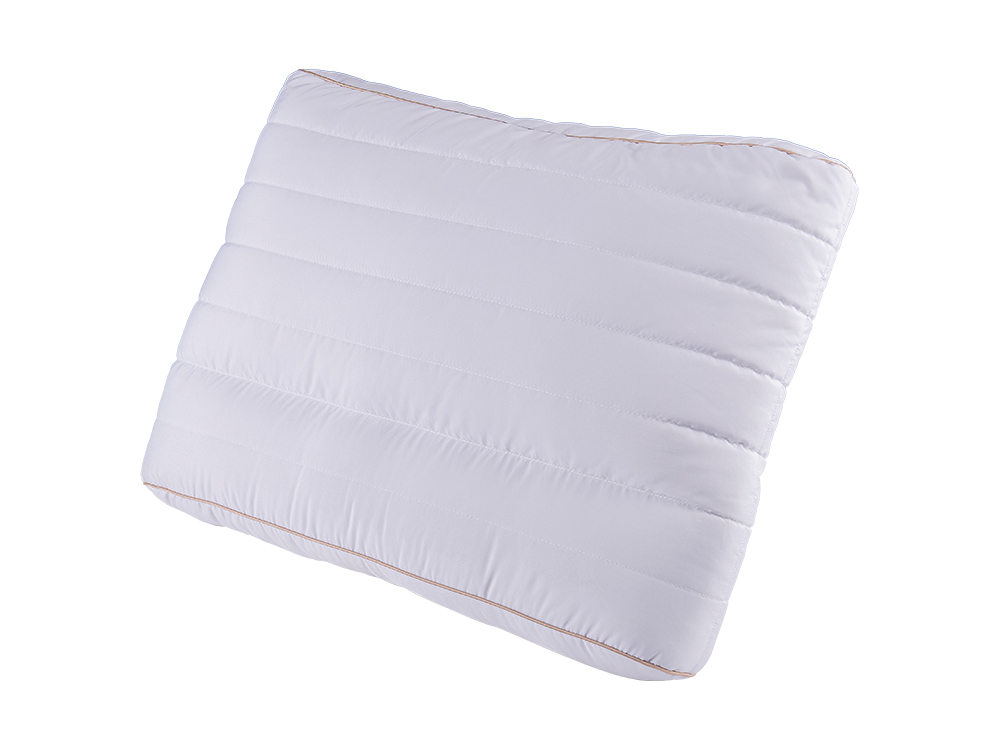
The main drawbacks are real but manageable. Standard memory foam retains heat, though gel-infused and ventilated variants address this. The fill is also not machine washable, which matters more in some channels (commercial laundry-heavy hospitality) than others (direct-to-consumer e-commerce). Explore the memory foam pillow collection for wholesale buyers to review available specifications and fill densities.
Polyester Pillows: Volume, Versatility, and Value
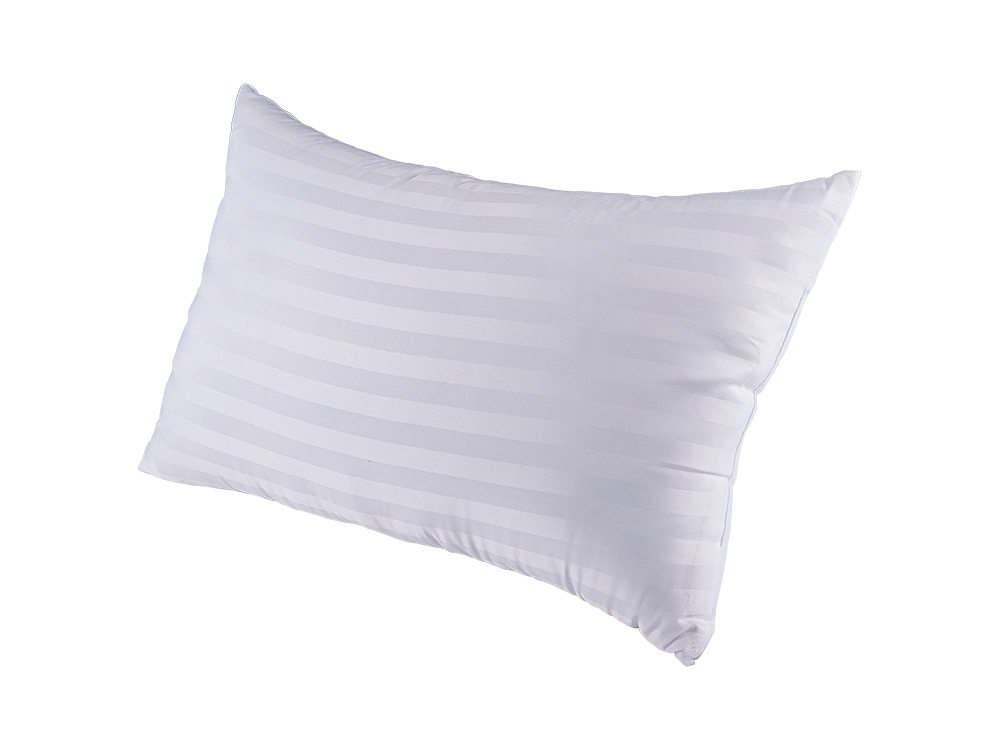
Polyester fiberfill — sometimes called poly-fill or down alternative — is the workhorse of the global pillow market. It is the fill that moves volume, fills containers, and keeps price-sensitive channels stocked. That is not a criticism; it is a structural reality that smart buyers exploit.
Polyester accounts for roughly 22% of the global sleeping pillow market by material share, according to sleeping pillow market data covering material and channel segmentation. That scale reflects a simple fact: most people sleeping on a pillow tonight are sleeping on polyester. The addressable market is enormous.
For B2B purposes, polyester's commercial strengths cluster around four areas:
- Price competitiveness — lower raw material cost translates into lower MOQ risk and easier price positioning across mass-market retail, promotional sets, and budget hospitality.
- Machine washability — poly-fill pillows survive commercial laundry cycles, which is decisive for any buyer supplying hotels, dormitories, hospitals, or short-term rental properties.
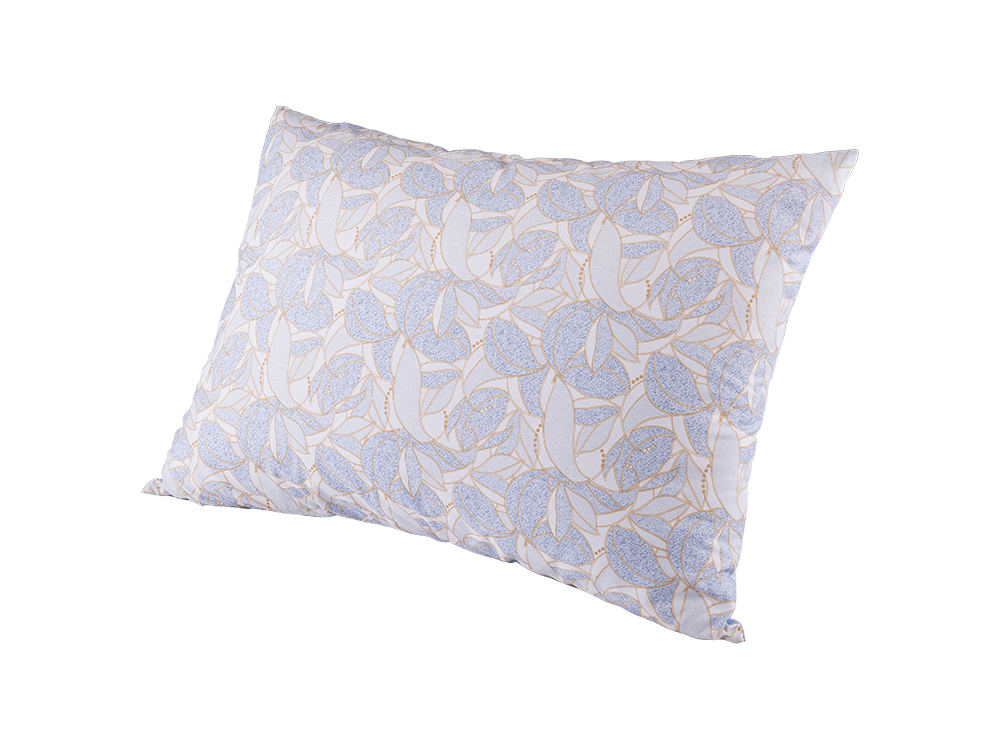
- Customization range — fill weight, firmness level, fabric shell material, and printed covers can all be adjusted with relative ease, making polyester the default choice for private label programs that need fast iteration.
- Breathability — fiberfill allows airflow in a way that solid foam blocks cannot, which appeals to warm-climate markets and sleep-hot consumer segments.
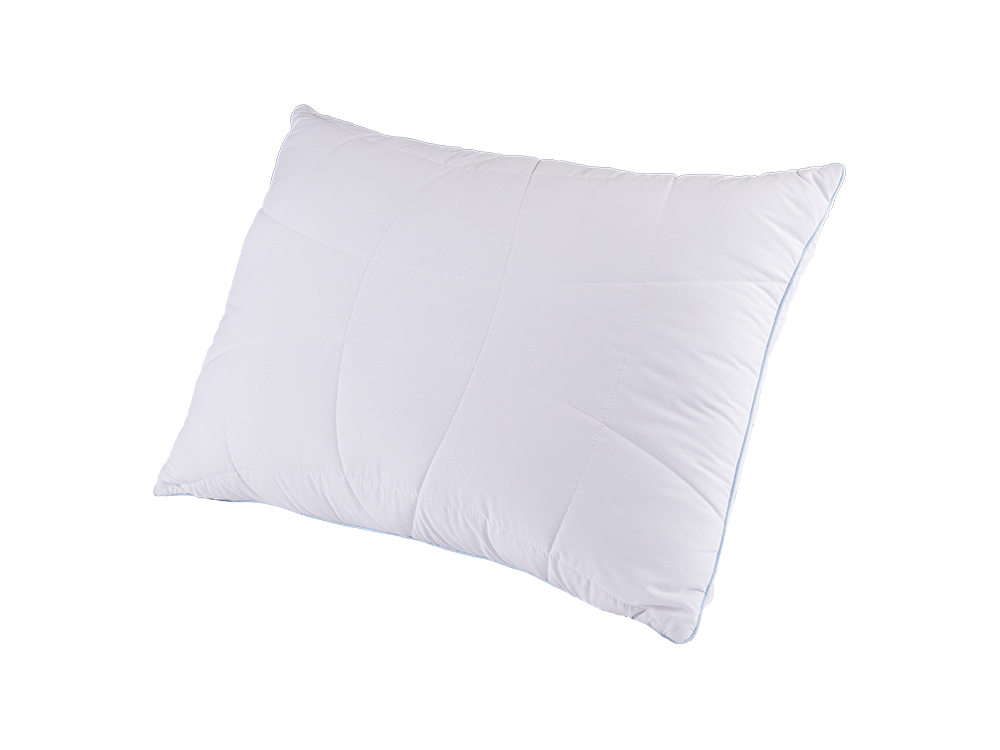
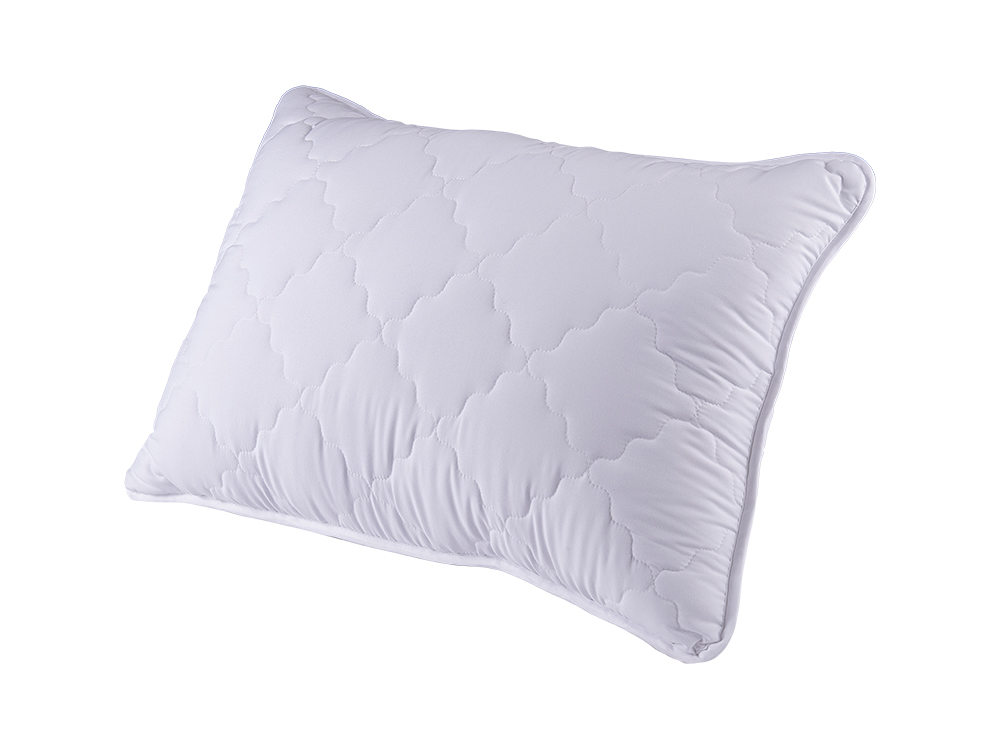
The trade-off is longevity. Polyester fill compresses and clumps within one to two years of regular use, which means replacement cycles are shorter — a factor that cuts both ways: it reduces product lifespan, but it also sustains repeat order frequency for buyers who supply hospitality or rental sectors. The polyester pillow range with customizable fill options covers a broad spectrum of firmness grades and shell fabrics suited to different market requirements.
Matching Pillow Fill to Your Distribution Channel
Material properties matter, but channel context is where sourcing decisions actually get made. Here is how the two fills map onto the most common B2B distribution scenarios.
Hotels and Hospitality Properties
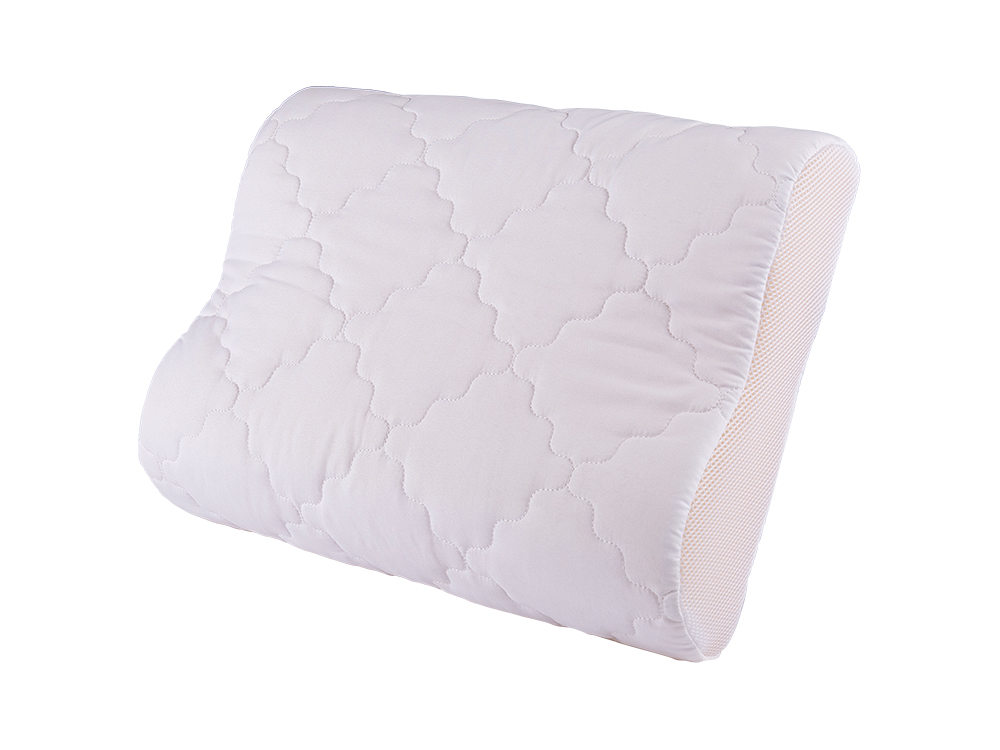
Budget and mid-range hotels need washable, replaceable inventory at scale — polyester is the default. Premium and boutique properties are a different story: a multifunctional slow-rebound memory foam pillow can become part of a room's value narrative, cited in guest reviews and booking descriptions. Many hotel groups now run a two-tier system — standard polyester for base rooms, memory foam as an opt-in upgrade or for suites — which means suppliers who carry both fills hold a significant advantage.
E-Commerce Brands and DTC Labels
Online shoppers respond to specificity. Memory foam gives a brand concrete performance claims to build listings around: spinal alignment, pressure point relief, three-year lifespan. These are measurable, reviewable, and defensible in a competitive SERP or marketplace environment. Polyester works for DTC when positioned as a down-alternative — soft, affordable, hypoallergenic — but the margin ceiling is lower. For brands that want to anchor a product at a higher price point and build review credibility around sleep health, memory foam is the stronger foundation.
Mass-Market Retail and Supermarket Channels
Volume, shelf velocity, and price compliance define this channel. Polyester wins here almost without exception. Buyers in this segment need a product that hits a retail price point, moves within a promotional cycle, and does not require consumer education to sell. Polyester's accessibility — in feel, price, and care instructions — fits those requirements precisely.
Healthcare, Senior Living, and Rehabilitation Facilities
This is memory foam territory. Facilities serving patients with neck pain, postoperative recovery needs, or chronic musculoskeletal issues need documented support properties, not softness. Memory foam's pressure distribution and shape retention make it the defensible procurement choice, and the hypoallergenic certification (CertiPUR-US, OEKO-TEX) becomes a procurement requirement rather than a nice-to-have.
Side-by-Side Comparison: What Matters for B2B Buyers
| Factor | Memory Foam | Polyester Fiberfill |
|---|---|---|
| Retail Price Position | Mid to Premium | Entry to Mid |
| Gross Margin Potential | Higher (premium positioning) | Lower per unit, higher volume |
| MOQ Flexibility | Moderate | High — low MOQ, fast lead time |
| Private Label Ease | Good — spec density, cover, cut | Excellent — fill weight, firmness, shell, print |
| Product Lifespan | 2–3 years | 1–2 years |
| Washability | Spot clean only | Machine washable |
| Breathability | Moderate (gel variants improve this) | High |
| Key Certifications | CertiPUR-US, OEKO-TEX | OEKO-TEX, GRS (recycled fiber) |
| Best Channel Fit | DTC, healthcare, premium hospitality | Mass retail, budget hospitality, rental |
| Consumer Selling Story | Support, pain relief, longevity | Softness, affordability, easy care |
For a broader overview of how different fill materials — including latex, cotton, and bamboo — compare across performance and cost parameters, the complete guide to bedding materials and fill types covers the full landscape.
Key Questions to Ask Your Supplier Before You Decide
Material type is a starting point, not a final answer. Before committing to an order — whether it is memory foam or polyester — push your supplier on these specifics:
- What is the foam density or fill weight? For memory foam, density (measured in kg/m³ or lb/ft³) determines how long the pillow holds its shape. For polyester, fill weight per pillow dictates loft and firmness. Cheap versions of both materials cut corners here first.
- Which certifications are available? For memory foam, CertiPUR-US certification confirms the foam is free from harmful chemicals. For polyester, OEKO-TEX Standard 100 covers both the fill and the shell fabric. Healthcare and premium retail buyers will expect these on file.
- Can fill weight or density be customized? This is where private label leverage lives. A supplier who can adjust fill specifications to your brief is far more valuable than one who offers only standard options.
- What is the cooling or ventilation specification? For memory foam, ask specifically about gel infusion or perforated construction. Standard memory foam will generate heat complaints in warm-climate markets.
- What are the actual MOQ and lead time by SKU? Stated MOQs and practical ones often differ once you factor in color, size, and fill weight combinations. Get clarity early.
Working directly with a manufacturer rather than a trading company removes one layer of markups and one layer of communication delay on all of the above. For context on what that cost difference looks like in practice, see how buying bedding direct from factory reduces your overall sourcing costs.
Final Verdict: Your Market Decides, Not the Material
Memory foam and polyester fiberfill are both viable, scalable pillow products. Neither is universally superior. What separates a strong sourcing decision from a guesswork one is having a clear picture of who sits at the end of your supply chain.
If you supply premium hospitality, DTC wellness brands, or healthcare facilities, memory foam delivers the support credentials and longevity that justify its price. If your channel is mass-market retail, budget accommodation, or high-turnover rental properties, polyester's washability, price flexibility, and customization range make it the smarter commercial choice.
The most competitive suppliers in this category are not the ones who stock one fill — they are the ones who can speak fluently about both. Understanding which material serves which customer gives you a genuine advantage when buyers push back on price, ask about alternatives, or want to extend into a new segment. That knowledge starts here, and it compounds with every conversation you have with your factory partner.


 +86-573-88798028