



 Français
 Español
 Deutsch
Content
- 1 How I Help Brands Launch Private-Label Bedding Without Costly Rework
- 2 Product Development That Converts: Build a Tight SKU Architecture First
- 3 Turn Your Brand Promise Into a Factory-Ready Specification Sheet
- 4 Sampling to Scale: How I Run the Pre-Production Loop
- 5 Quality Control That Matches Your Market: AQL, Defect Lists, and “What We Inspect”
- 6 Hangtags vs. Sewn-In Labels: What Must Be True, and What Can Be Marketing
- 7 Packaging Execution: Engineer for Shelf Impact and Transit Survival
- 8 A Launch Checklist You Can Hand to Your Team
How I Help Brands Launch Private-Label Bedding Without Costly Rework
When a new private-label bedding program goes off-track, it is rarely because the logo looks wrong. It is usually because product specifications, labeling, and packaging were not engineered as one system. As a manufacturer and supplier, I treat “Launching Your Private-Label Bedding: From Product Development to Hangtags & Packaging Execution” as a single workflow—so you can move from concept to repeatable production with predictable quality.
In practical terms, that means aligning four decisions early: what you will sell (SKU architecture), how it must perform (spec + testing), what must be disclosed (labels and claims), and how it will arrive intact (packaging and cartonization). If you want to see the product families we build private-label programs around, start with our Product page.
What I ask you to define before sampling
- Target channel (hotel, retail, DTC, institutional) and key “must-haves” your buyer will notice first
- Destination market(s) so hangtags and sewn-in labels are compliant from day one
- Forecast by size and color so we avoid over-fragmented production runs
- Your target landed cost and the packaging style you expect at shelf or unboxing
Product Development That Converts: Build a Tight SKU Architecture First
Private-label bedding launches succeed faster when the first collection is focused. I typically recommend a “hero + support” structure: one hero item that earns the purchase decision, and 2–4 supporting items that lift average order value and make your line look complete at retail.
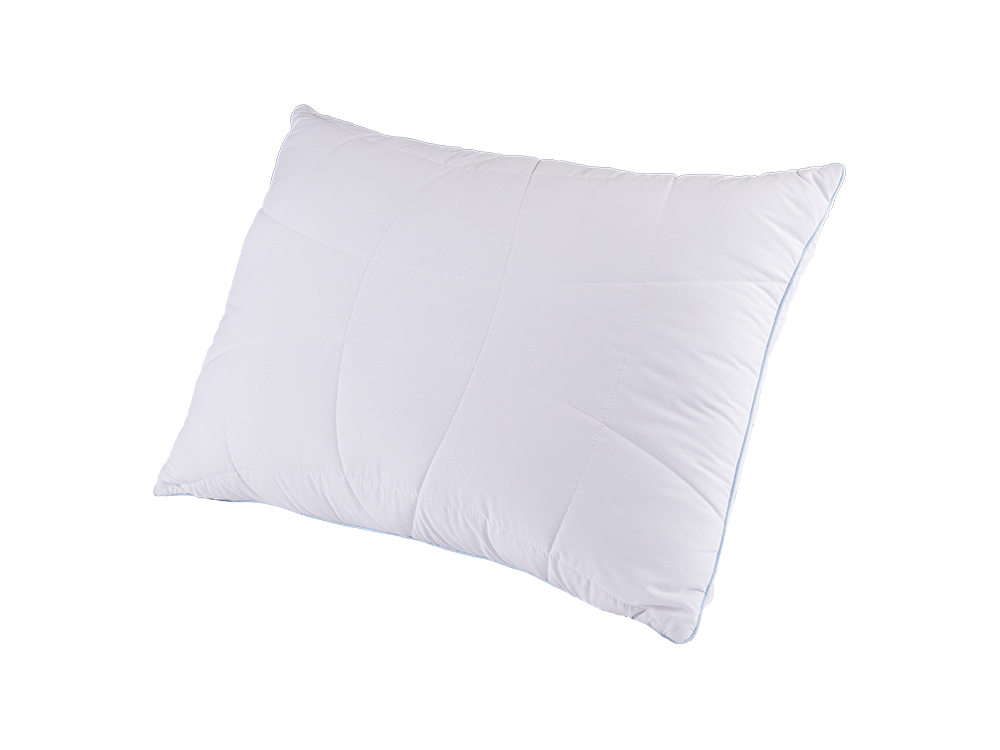
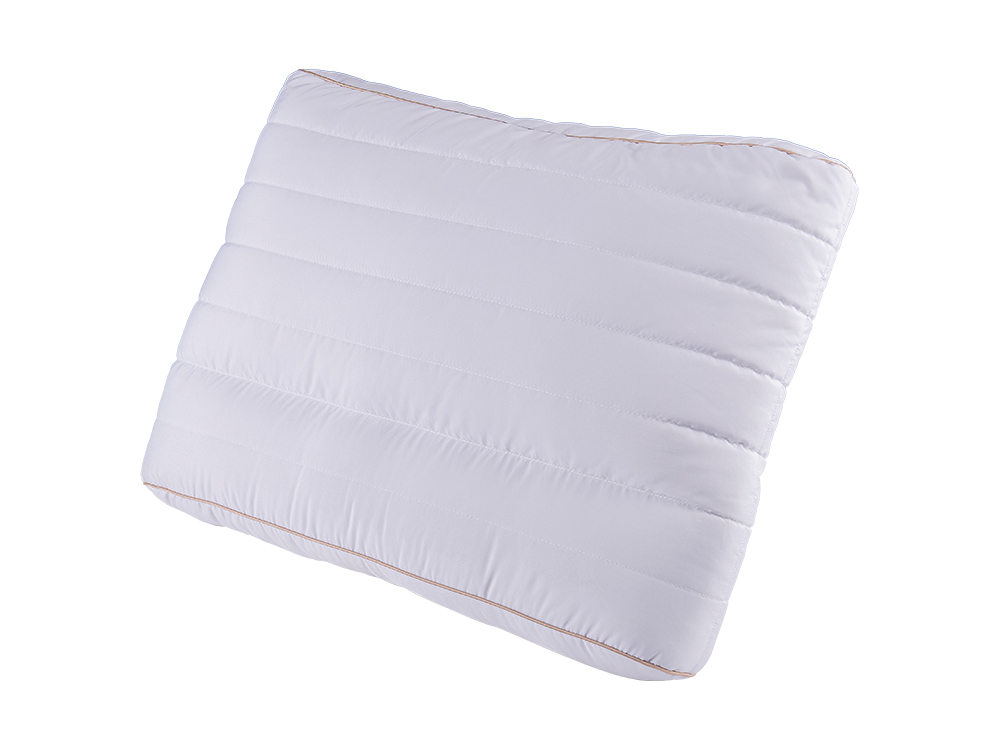
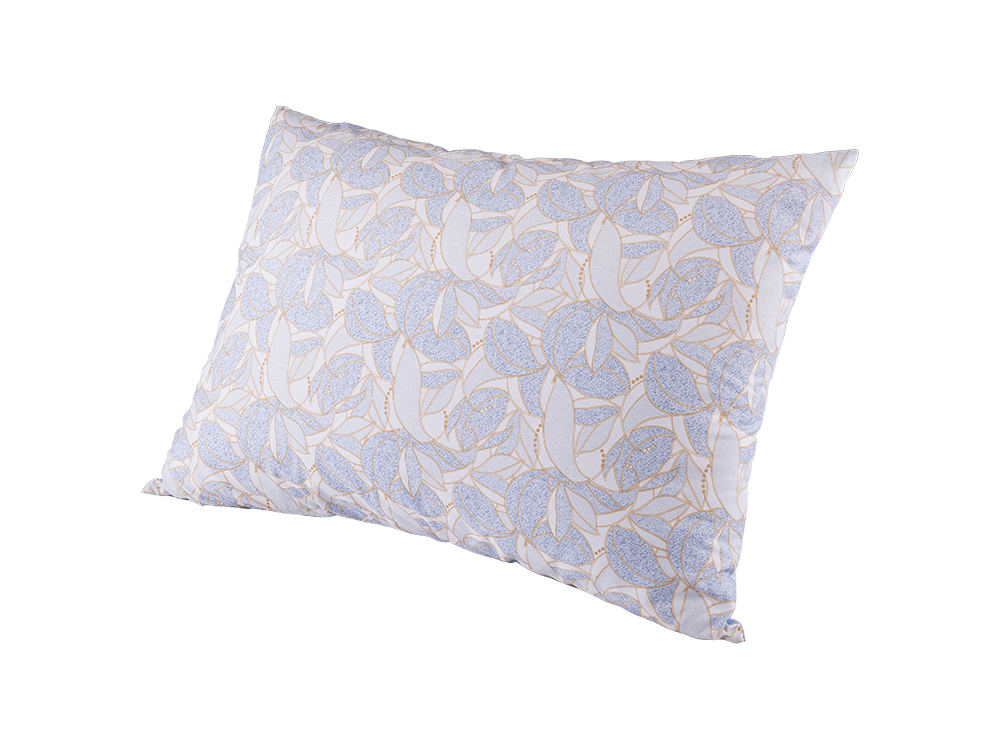
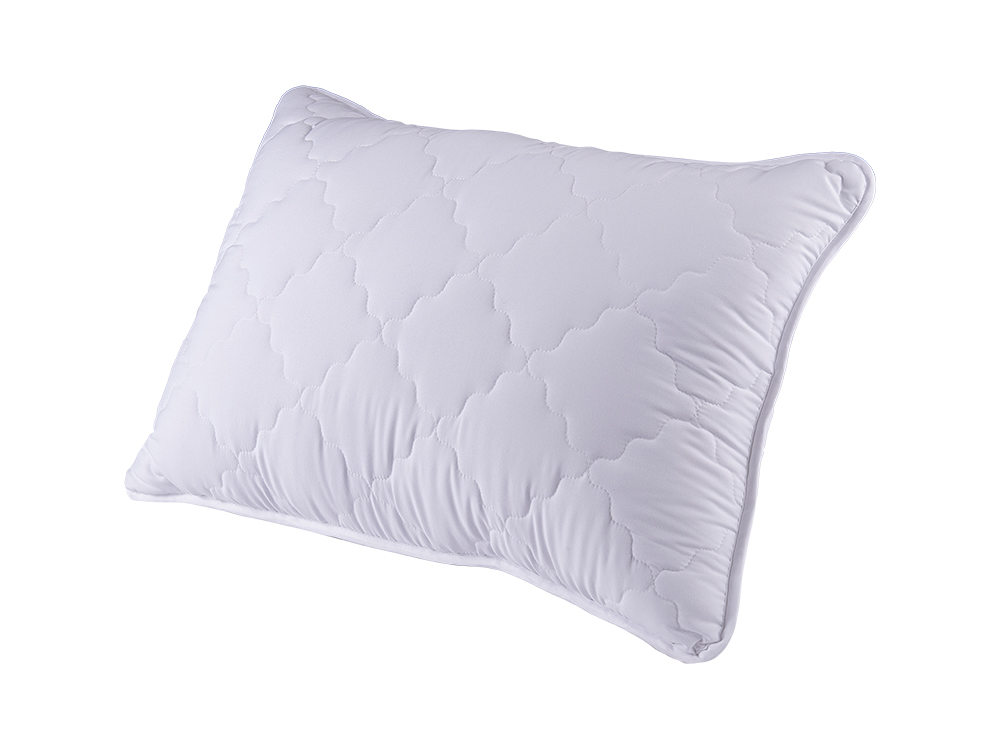
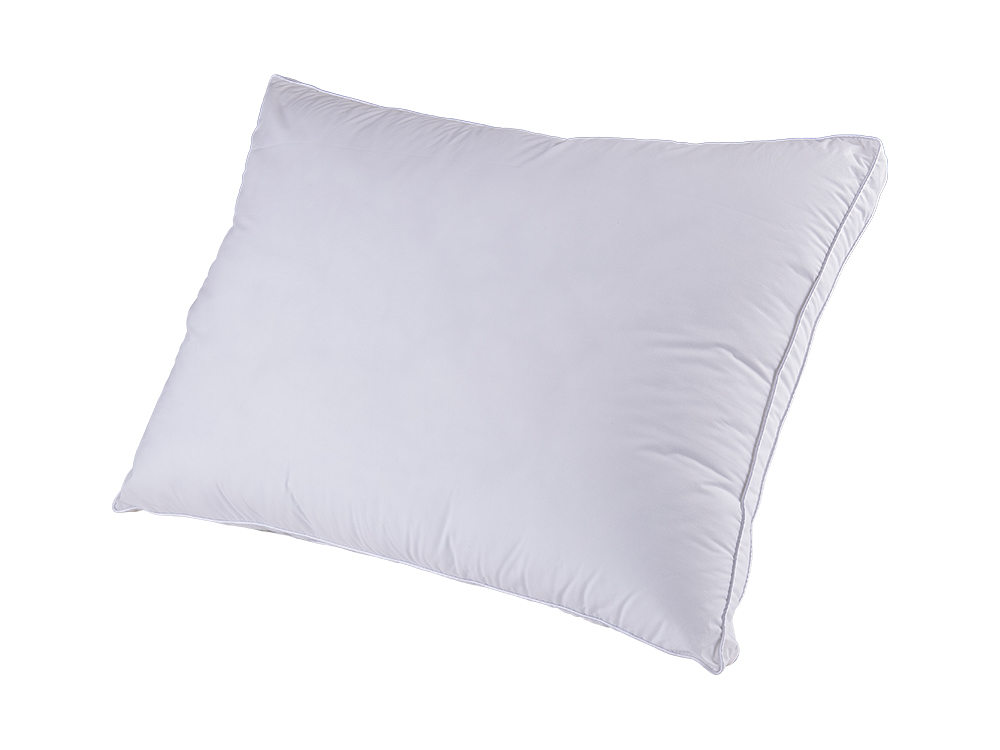
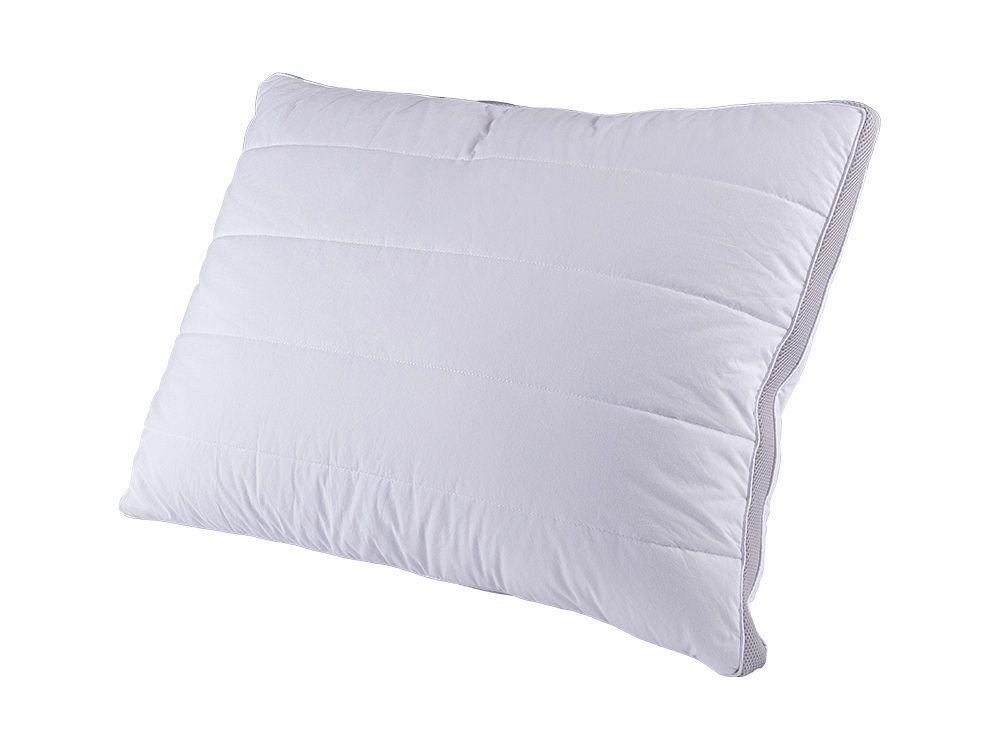
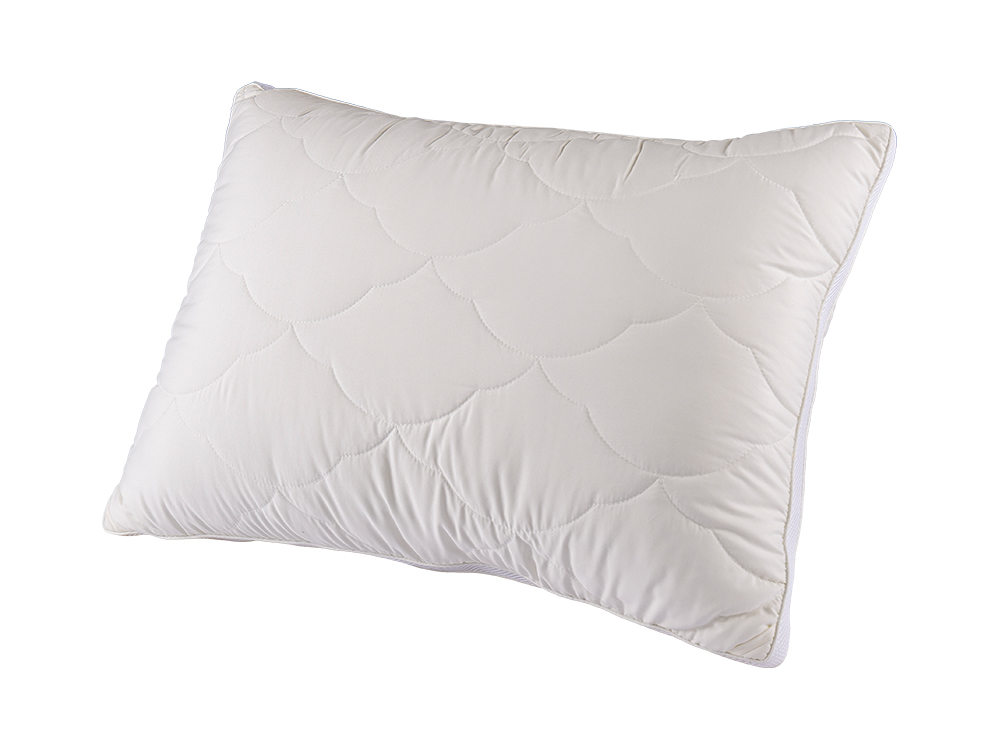
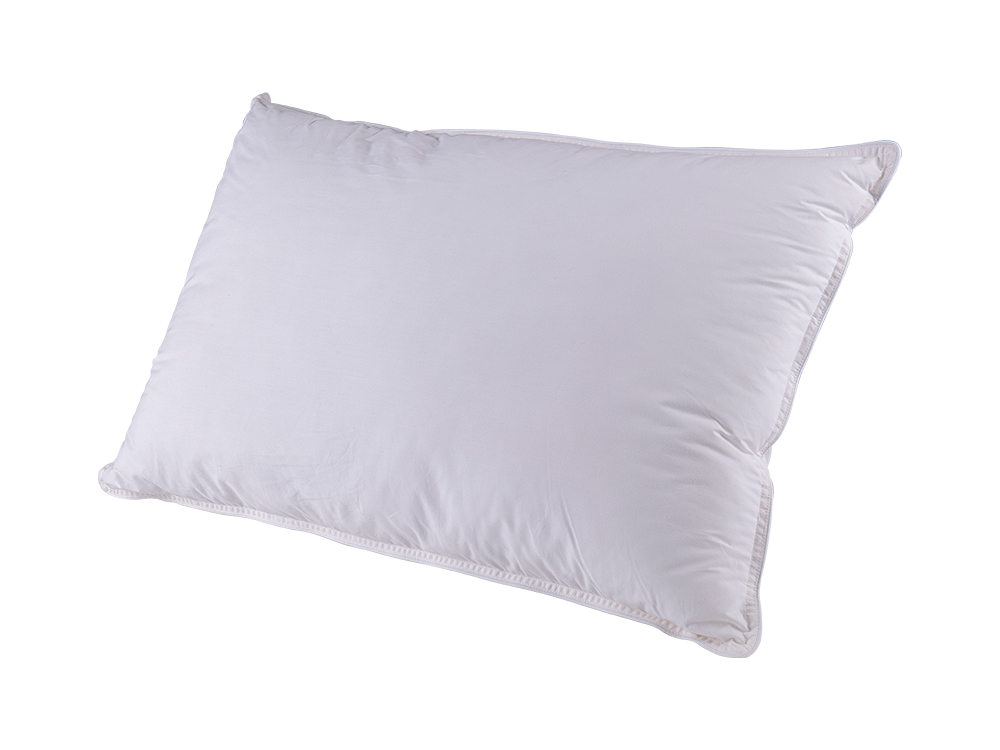
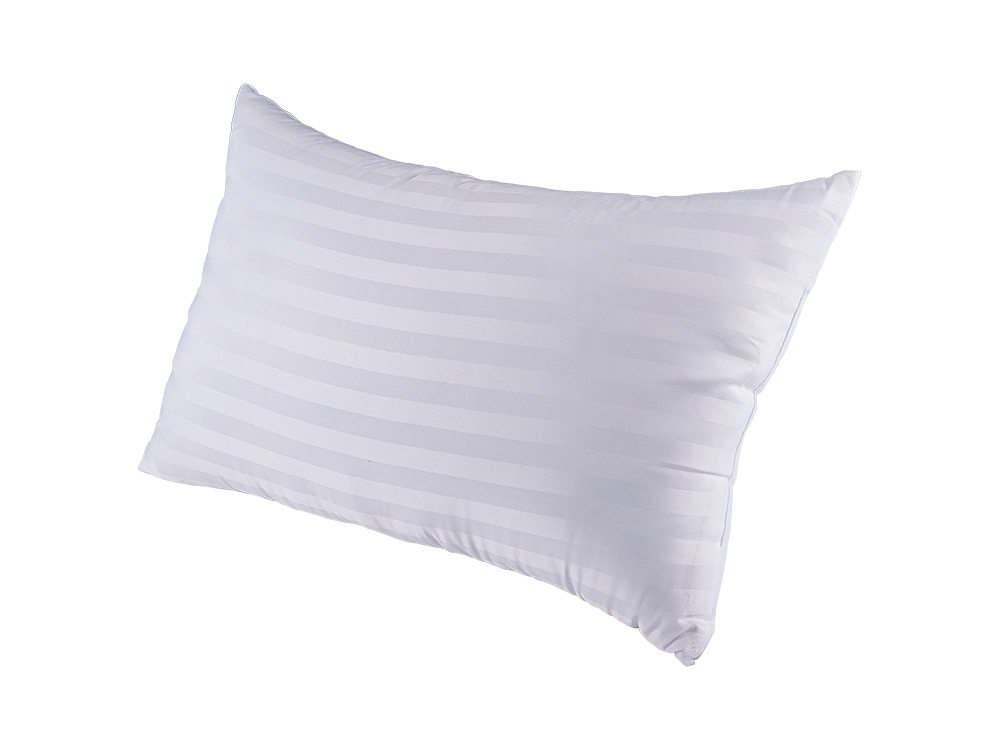
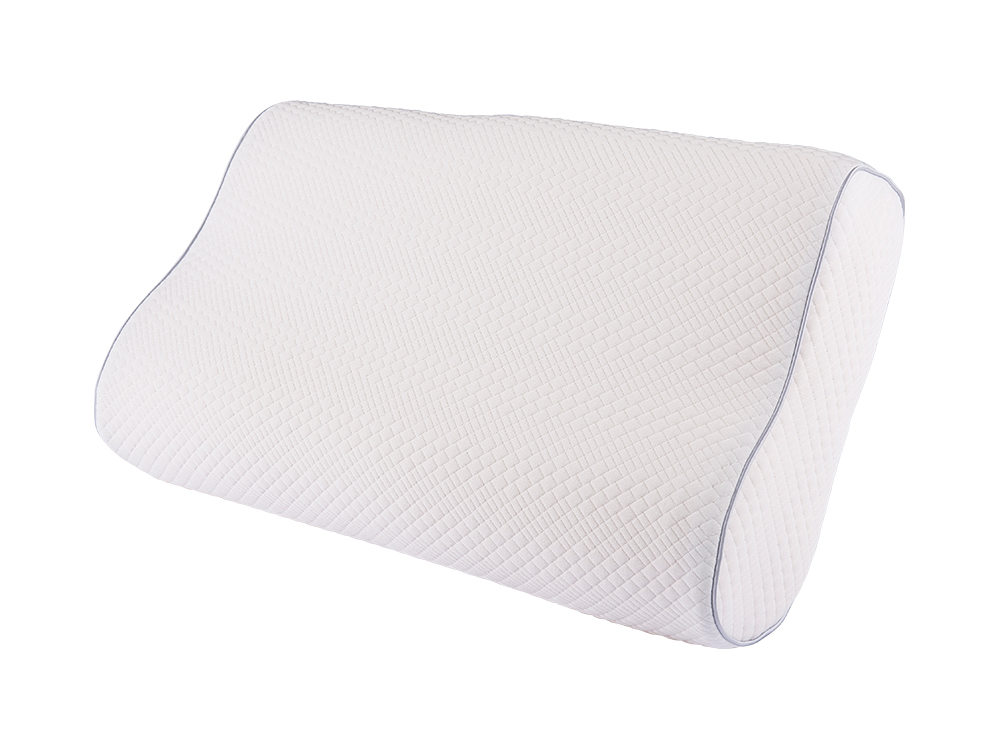
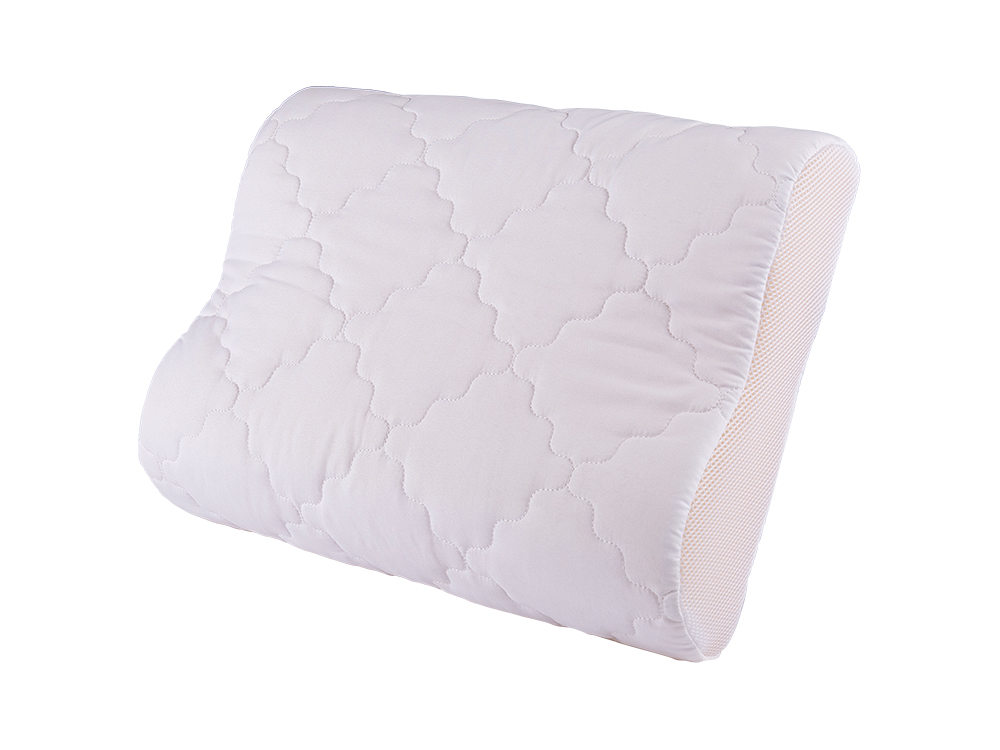
For many brands, that looks like pillows + quilts/comforters + protectors, with blankets as a seasonal add-on. You can browse the categories we commonly build around—our Pillow page, our Quilt page, our Mattress Protector page, and our Blanket page.
A practical rule that protects margin
If your first launch has too many variants (sizes, colors, fabrics, fills), your sampling cost rises and your production efficiency drops. A tighter SKU set keeps MOQs realistic, keeps QC simpler, and makes it easier to keep packaging consistent across the line—especially when you later expand into additional fabrics or seasonal weights.
Turn Your Brand Promise Into a Factory-Ready Specification Sheet
A private-label bedding spec sheet is not just a list of materials—it is a contract for repeatability. When I build specs with clients, I focus on measurable parameters that matter to the end user (hand-feel, loft, warmth, breathability) and to your operations team (returns, wash performance, carton damage, compliance).
Key specification fields I recommend locking early
| Spec Area | What You Define | Why It Matters |
|---|---|---|
| Dimensions & tolerances | Finished size by market, seam allowance, tolerance bands | Prevents fit complaints and packaging mismatch |
| Shell & lining materials | Fiber composition, weave/knit direction, finishing expectations | Controls hand-feel, durability, and label claims |
| Fill performance | Target loft, resilience, weight ranges, distribution method | Reduces “flat after use” and uneven fill feedback |
| Construction details | Quilting pattern, piping, closures, stitching density | Keeps visual identity consistent across batches |
| Wash & dimensional stability | Test method, shrinkage targets, care instructions | Protects reviews and lowers returns after laundering |
For wash performance, I strongly recommend referencing a recognized domestic wash/dry procedure (for example ISO-based methods) so you can compare results across labs and across seasons of production. If you plan to sell into multiple regions, your test matrix should be tied directly to the hangtag claims you intend to print.
Sampling to Scale: How I Run the Pre-Production Loop
Sampling is where most private-label bedding timelines slip—usually because the sample did not include packaging, labels, or final BOM controls. I keep sampling disciplined by separating “feel and look” decisions from “scale and compliance” decisions.
Three checkpoints that reduce surprises in mass production
- Concept sample: confirm hand-feel, loft, warmth level, and visual styling before fine-tuning costs
- Pre-production sample: lock materials, construction, and labeling placement; confirm packaging size fit
- Golden sample: the controlled reference for QC; all future lots are compared to it
If your brand needs sustainability or safety positioning, sampling is the right time to decide what you will certify (and what you will simply describe). For example, OEKO-TEX® STANDARD 100 is widely used to support “tested for harmful substances” positioning, and the Global Recycled Standard (GRS) is used when you want verified recycled content plus process requirements. For many buyers, social compliance documentation (such as amfori BSCI audit frameworks) is also part of vendor qualification.
If you want to understand how we structure customization from material selection to pattern development and usage scenarios, review our Custom process page and send me your target positioning so we can map it to a realistic BOM.
Quality Control That Matches Your Market: AQL, Defect Lists, and “What We Inspect”
Retailers and importers often ask me for an AQL-based inspection plan because it gives a clear pass/fail framework for random sampling. When we set this up for private-label bedding, I define defect categories with you first (critical, major, minor), then align sampling levels to your risk tolerance and channel requirements.
A common starting point in consumer goods is Critical = 0, Major = 2.5, and Minor = 4.0, then adjusting based on the product type and your brand promise. This avoids subjective debates at final inspection and makes corrective actions easier to document.
Bedding-specific checkpoints I insist on documenting
- Fill distribution and recovery after compression (no hard clumps, no thin corners)
- Stitch integrity (skipped stitches, seam slippage, needle damage) and quilting alignment
- Odor, visible contamination, and fabric defects under consistent lighting
- Correct label placement and match between label content and final BOM
- Packaging count accuracy, barcode readability, and carton markings
When this is executed well, quality becomes predictable rather than negotiated. If you are launching across multiple regions, I also recommend confirming that your QC checklist references the exact labeling language required by each destination market before artwork is printed.
Hangtags are powerful for merchandising—especially online where you need quick scanning cues—but they must not contradict your sewn-in labels and documentation. I separate label work into two tracks: compliance disclosures (what laws and retailers require) and merchandising claims (what helps the customer choose).
Compliance basics I see brands miss during launch
- Fiber content and composition language must match your BOM and test reports
- Country-of-origin and responsible business identity requirements vary by market
- EU-focused programs typically emphasize fiber composition labeling under the textile labelling framework
- US-focused programs typically require labeling disclosures enforced under FTC textile rules
Your hangtag can then do the merchandising job: “who it is for,” key benefits, warmth level guidance, and simple icons that match your care instructions. The key is documentation discipline—your hangtag copy, sewn-in label, packaging copy, and online listing should all tell the same story, supported by your production records.
Packaging Execution: Engineer for Shelf Impact and Transit Survival
Packaging is where many private-label bedding programs accidentally add cost. The right packaging is not simply “prettier”—it is sized correctly for the product, optimized for shipping method, and designed so the customer experience matches your positioning.
Packaging formats I typically recommend by channel
- Hotel/institutional: simple protective bags and carton marks for fast receiving
- Retail: handle bags or color boxes where shelf readability and barcode scanning matter
- DTC/parcel: protective inner packaging plus a shipper designed to reduce damage and returns
If you are shipping through parcel networks, I recommend validating your packed product against a recognized distribution test approach (for example, ISTA Procedure 3A is designed for individual packaged-products shipped through parcel systems up to 150 lb (70 kg)). This is especially important when you use compression, premium print finishes, or high-contrast packaging that shows scuffing.
To keep packaging execution smooth, I ask clients to deliver print-ready artwork files, barcode specifications (UPC/EAN), and language requirements before we lock the packing SOP. That way, your hangtags, inserts, and packaging all arrive together and match the final, approved sample.
A Launch Checklist You Can Hand to Your Team
Below is the operational checklist I use to keep private-label bedding launches moving. If you align your internal team to this sequence, you reduce late changes that force relabeling, repacking, or rework.
Execution sequence I recommend for first-time launches
- Confirm channel, target market, and core positioning (what must be true)
- Lock spec sheet fields that impact repeatability (materials, construction, tolerances)
- Approve a golden sample that includes labels and packaging fit
- Finalize hangtag copy and sewn-in label content for each destination market
- Set AQL targets and a defect list tied to customer-visible issues
- Validate packaging for the shipping method (parcel vs pallet) and lock carton SOP
- Run pre-shipment inspection against the golden sample and documentation set
If you are ready to move, the most efficient next step is to share your target channel, destination market(s), and a short spec brief (sizes, fabric preferences, target warmth/loft, packaging style). You can also explore our Custom process page and the relevant category pages to align on the right product starting point before we begin sampling.


 +86-573-88798028