



 Français
 Español
 Deutsch
Content
- 1 Can You Wash a Comforter? The Short Answer
- 2 Match the Wash Method to the Filling
- 3 How to Wash a Comforter Step by Step
- 4 Temperature, Detergent and the Mistakes That Flatten Loft
- 5 Drying a Comforter Without Losing Its Warmth
- 6 How Often Should You Wash a Comforter?
- 7 When You Should Not Wash a Comforter
- 8 What Makes a Comforter Genuinely Washable? A Factory View
- 9 The Bottom Line
Yes, you can wash a comforter — most of them, anyway. Polyester, microfiber, cotton, flannel, down alternative and bamboo-filled comforters are all built to survive a gentle machine wash, and washing at home is far cheaper and faster than a weekly trip to the dry cleaner. The catch is that the word "comforter" covers everything from a lightweight microfiber quilt to a wool-filled duvet that will felt into a brick the moment it touches water.
We have been manufacturing quilts, comforters, pillows and mattress protectors in Tongxiang, Zhejiang since 2002, and "can you wash a comforter?" is one of the questions we hear most often — from consumers, but also from brand owners who want to know whether the bedding they are sourcing will survive real life. The honest answer always comes down to three things: the filling, the shell fabric, and how the layers are stitched together.
This guide covers what can be washed, what should never be washed, and how to do it without flattening the loft you paid for.
Can You Wash a Comforter? The Short Answer
If your comforter has a care label, read it and follow it. If the label says dry clean only, believe it. If it says machine wash cold, you are in luck — and if there is no label at all, use the filling as your guide.
- Usually safe to machine wash: polyester, microfiber, down alternative, cotton, bamboo fiber and most blended fills.
- Washable with extra care: real down and feather comforters, which need a gentle cycle and a long, patient drying process.
- Better left to a professional: wool, silk, cashmere, antique or hand-quilted heirlooms, and anything with embellishments that could snag.
Size matters almost as much as filling. A queen comforter generally fits a large home washer; an oversized king with heavy fill often does not, and forcing it in can damage both the comforter and the machine.
Match the Wash Method to the Filling
The filling decides the water temperature, the cycle length and how you dry the comforter afterwards. The table below summarizes the rules we share with our own customers.
| Filling type | Machine washable? | Water temperature | Drying method |
|---|---|---|---|
| Polyester or microfiber | Yes | Cold to warm, around 30°C | Low heat with dryer balls |
| Down alternative | Yes | Cold, gentle cycle | Low heat, repeat cycles |
| Down and feather | Yes, with care | Cold, gentle cycle | Low heat until fully dry |
| Cotton | Yes | Warm | Medium-low heat |
| Bamboo fiber | Yes, gentle | Cold | Low heat or air dry flat |
| Flannel shell with synthetic fill | Yes | Cold | Low heat |
| Wool | No | Not recommended | Air dry flat only |
| Silk | No | Not recommended | Dry clean |
Bamboo fiber is a good example of why the details matter. It washes beautifully on a cold, gentle cycle, but high heat and harsh detergent break the fiber down and leave it stiff. That is why our bamboo quilt is built with a tightly woven shell that protects the filling during washing, rather than relying on the filling alone.
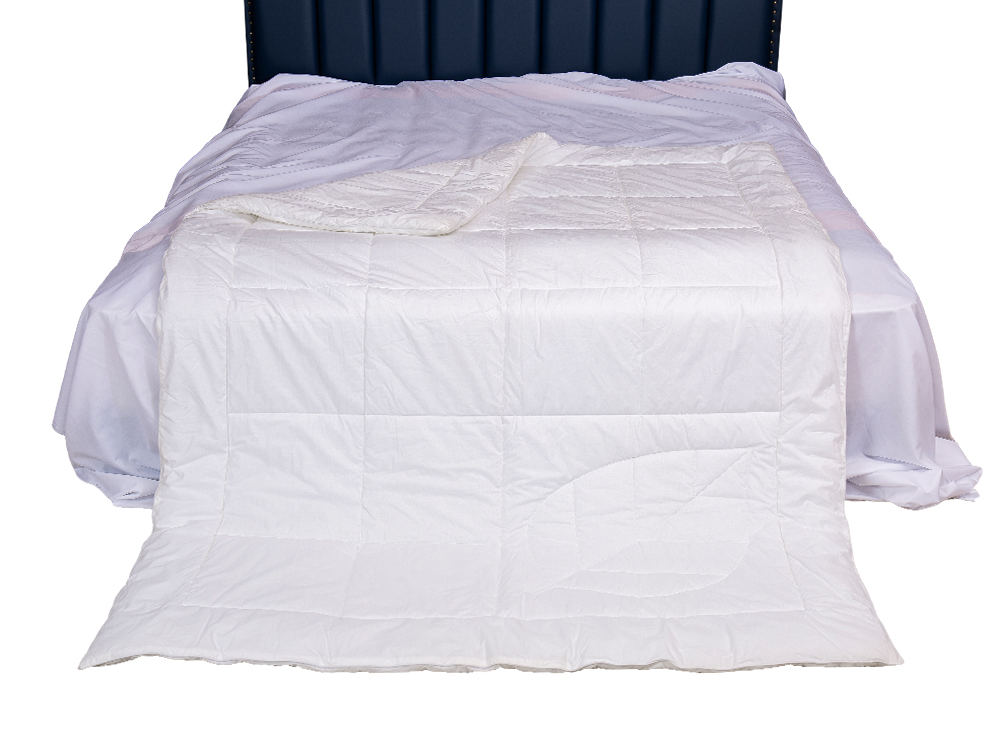 Bamboo Fiber Quilts Manufacturers99.99% Cotton or 99.99% Polyester FabricView Product →
How to Wash a Comforter Step by Step
- Read the care label and check the seams for tears or loose stitching before the comforter gets wet.
- Spot treat stains with a mild liquid detergent and a soft cloth, then let it sit for ten minutes.
- Use a front-loading machine whenever possible; a top loader with a central agitator can twist and tear a large comforter.
- Wash the comforter on its own so zippers and hooks from other laundry cannot snag the shell.
- Select a gentle or delicate cycle with cold water and an extra rinse.
- Add roughly half the usual dose of a mild, bleach-free detergent, and let the machine dilute it rather than pouring it onto the fabric.
- Skip fabric softener and dryer sheets, which coat the fibers, reduce breathability and trap dust.
- Move the comforter to the dryer as soon as the cycle ends — a wet comforter left in the drum starts to smell within hours.
Temperature, Detergent and the Mistakes That Flatten Loft
Water temperature is the easiest variable to get right. Cold water, at roughly 30°C or below, cleans effectively while protecting both the filling and the shell, and it keeps dyes from bleeding. Warm water is acceptable for white cotton comforters. Hot water is a bad idea for any filled bedding, because it can shrink the shell, set protein stains and weaken the quilting threads that hold the layers in place.
On detergent, less is more. Excess suds are hard to rinse out of a thick comforter, and leftover residue attracts dust and can irritate sensitive skin. For colored comforters, choose an oxygen-based stain remover instead of chlorine bleach. Whatever you use, make sure the drum is not packed — a comforter needs room to tumble so water and detergent can circulate through every layer.
Drying a Comforter Without Losing Its Warmth
Wet filling is heavy, so drying is where most comforter damage happens. The goal is thorough drying at the lowest heat the fabric allows.
- Tumble on low heat rather than high, which can melt synthetic fibers and shrink cotton shells.
- Add two or three wool or rubber dryer balls to break up clumps and restore loft.
- Expect two or three cycles for a thick down or synthetic comforter; thin microfiber fills usually need one long cycle.
- Pause every twenty to thirty minutes, shake the comforter out and feel for cold, damp patches in the corners.
- Air dry flat over two chairs if the label prohibits heat, and never hang a wet comforter from a single corner.
If the comforter still smells faintly damp once it has cooled, keep drying. Trapped moisture inside the filling leads to mildew, and mildew does not wash out. Synthetic fills are the most forgiving, which is why a microfiber comforter like ours can be washed monthly for years and still hold its shape.
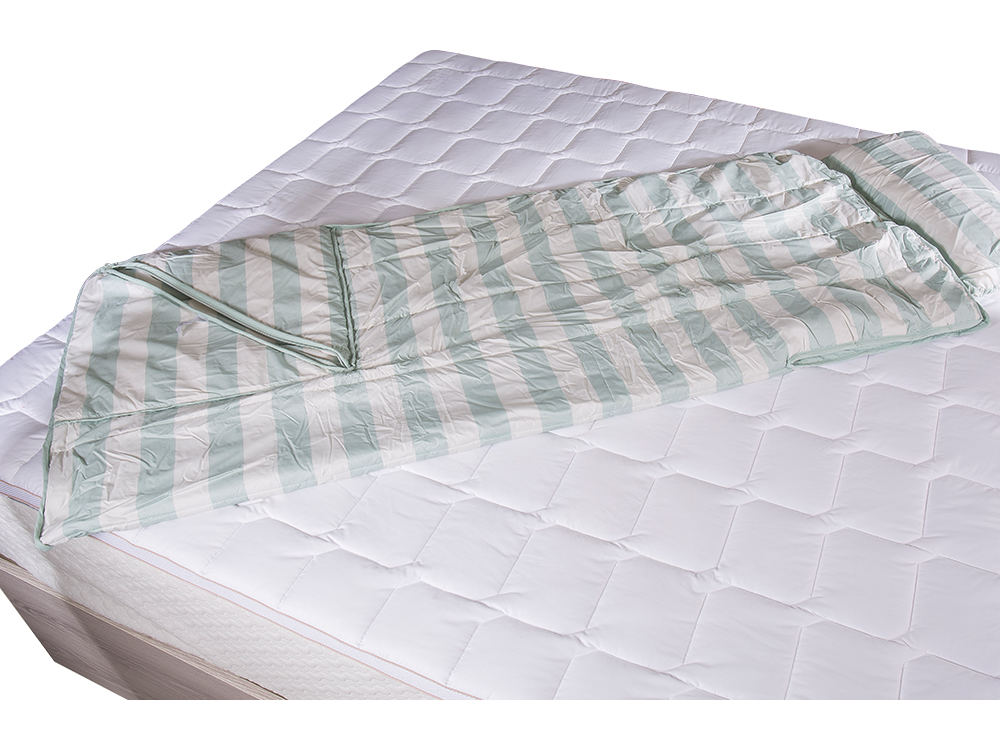 Polyester Microfiber Quilts Manufacturers99.99% Polyester, Microfiber Brushed Fabric, fabric weight 80gsm-100gsm, can also be treated with a soft washView Product →
How Often Should You Wash a Comforter?
- Every two to three months under normal use.
- Monthly if you sleep with pets, sweat heavily or suffer from allergies.
- Immediately after an illness, and any time the comforter smells musty.
- Before storing it for the season, and again before it goes back on the bed.
A duvet cover changes the math. If you use one and wash it weekly, the comforter underneath can go far longer between washes. Just remember to wash the cover and the comforter separately, because a comforter stuffed inside a cover never gets properly clean.
When You Should Not Wash a Comforter
Some comforters are simply not candidates for a washing machine. Wool and silk fills shrink, felt or lose their sheen, and no amount of gentle cycling will save them. Antique quilts with fragile piecing, hand embroidery or unstable dyes belong with a textile specialist. The same applies to any comforter with a torn seam or an open baffle channel, since filling will escape into the machine and clog the drain.
If a comforter is too large for your drum, take it to a laundromat with commercial front loaders rather than forcing it into a home machine. And if a comforter is only lightly dusty between washes, airing it outdoors on a dry, breezy day is often enough.
What Makes a Comforter Genuinely Washable? A Factory View
Washability is decided long before a comforter reaches a laundry room. Shell fabric weight, shrinkage control, quilting stitch density, baffle construction and the type of filling all determine whether a comforter comes out of the third wash looking like new or looking tired. That is why we test colorfastness and dimensional stability on the fabrics we use, and why we work with certified materials and processes across our production lines.
If you would like to know more about how we build and test bedding, you can read more about our factory and certifications on the about page.
about our factory and certificationsThe same thinking applies to simpler constructions. A well-quilted cotton comforter with even stitching can handle repeated washing, because the fill stays evenly distributed instead of shifting into one corner.
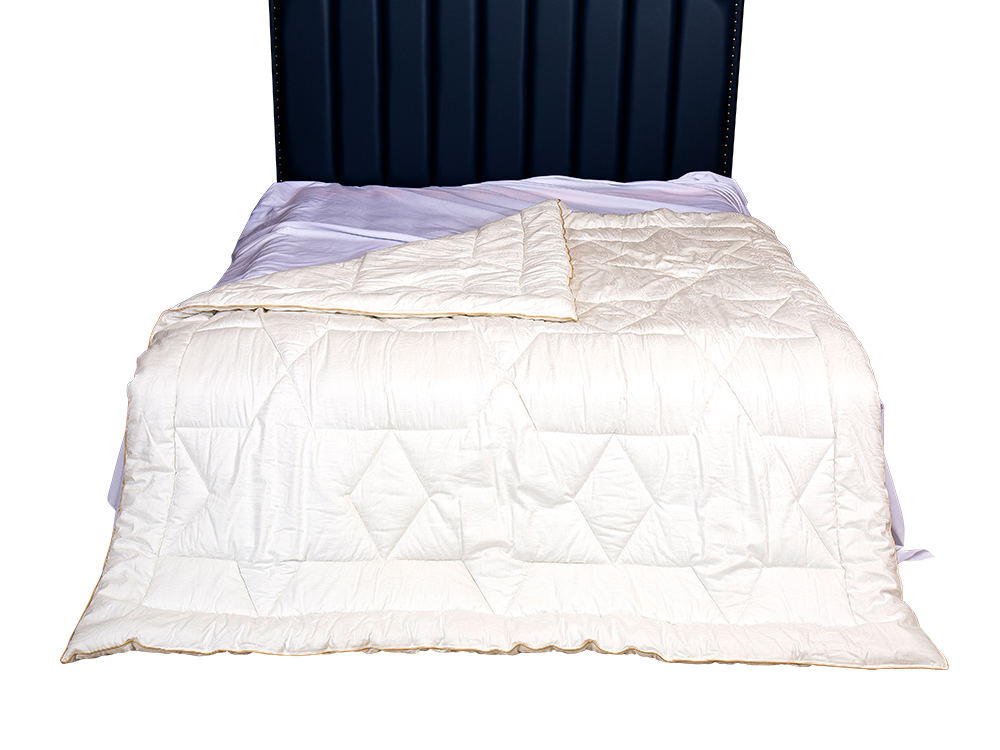 Woven Cotton Quilts Manufacturers99.99% Cotton Fabric, 150T, 200T, 233T, or various custom woven cotton fabricsView Product →
The Bottom Line
Can you wash a comforter? In most cases, yes — match the method to the filling, keep the water cold, use a mild detergent, skip the softener and dry it completely. Read the care label, respect wool and silk, and your comforter will keep its loft for years instead of one season.
For buyers and brand owners sourcing washable bedding, the practical details matter just as much. Our overview of microfiber quilts and bedspreads explains how soft, durable and easy-to-maintain bedding is engineered for real households.
microfiber quilts and bedspreads

 +86-573-88798028